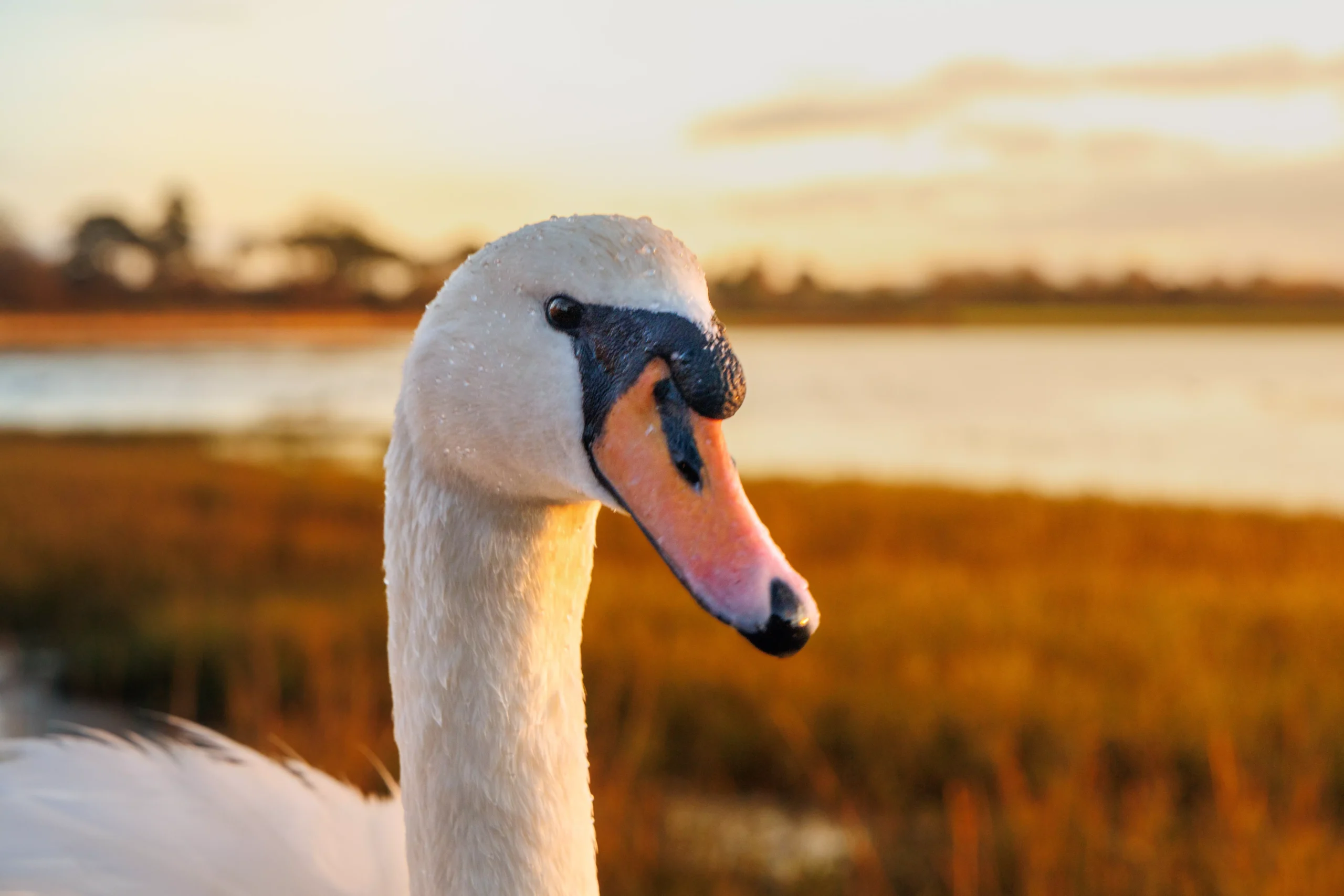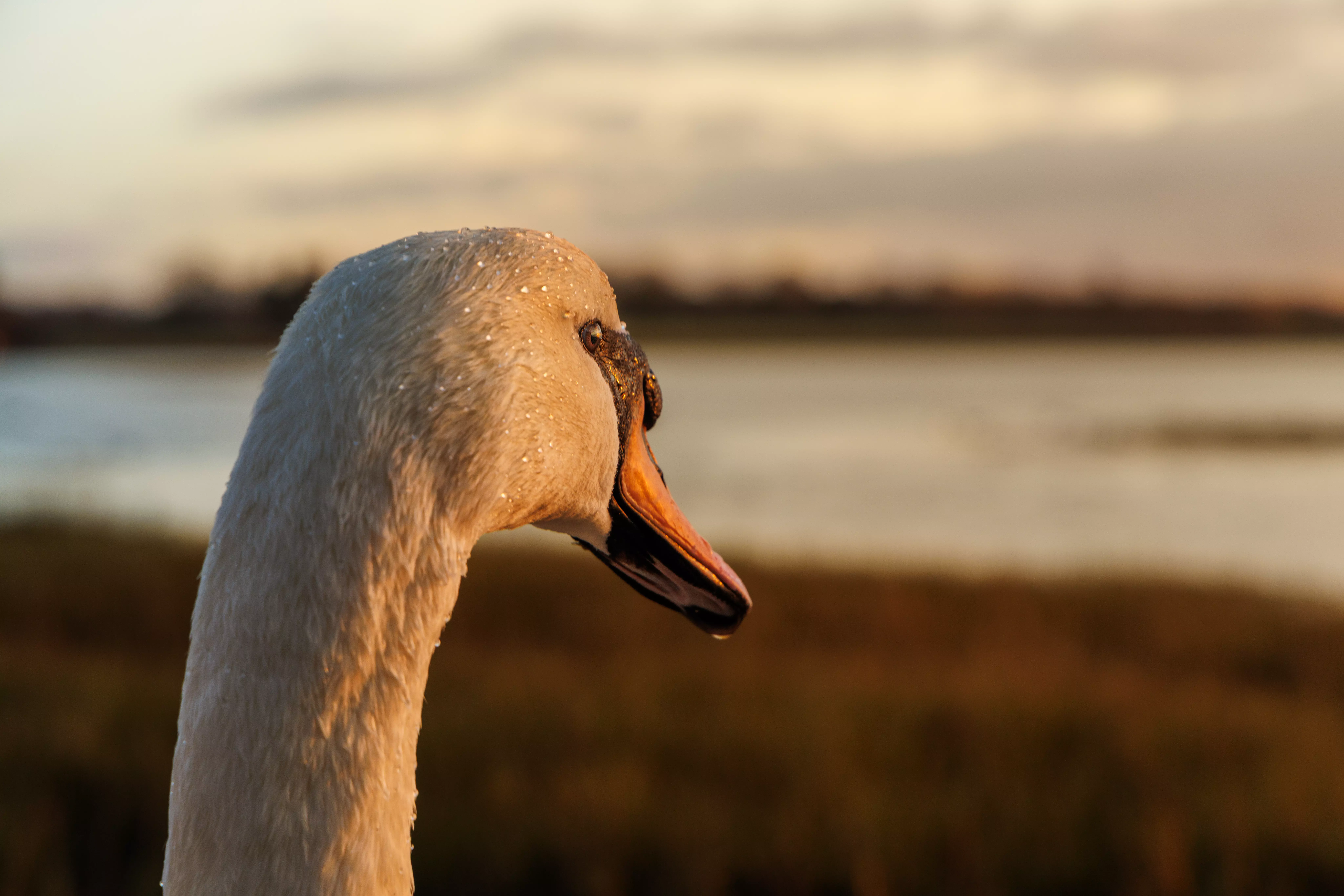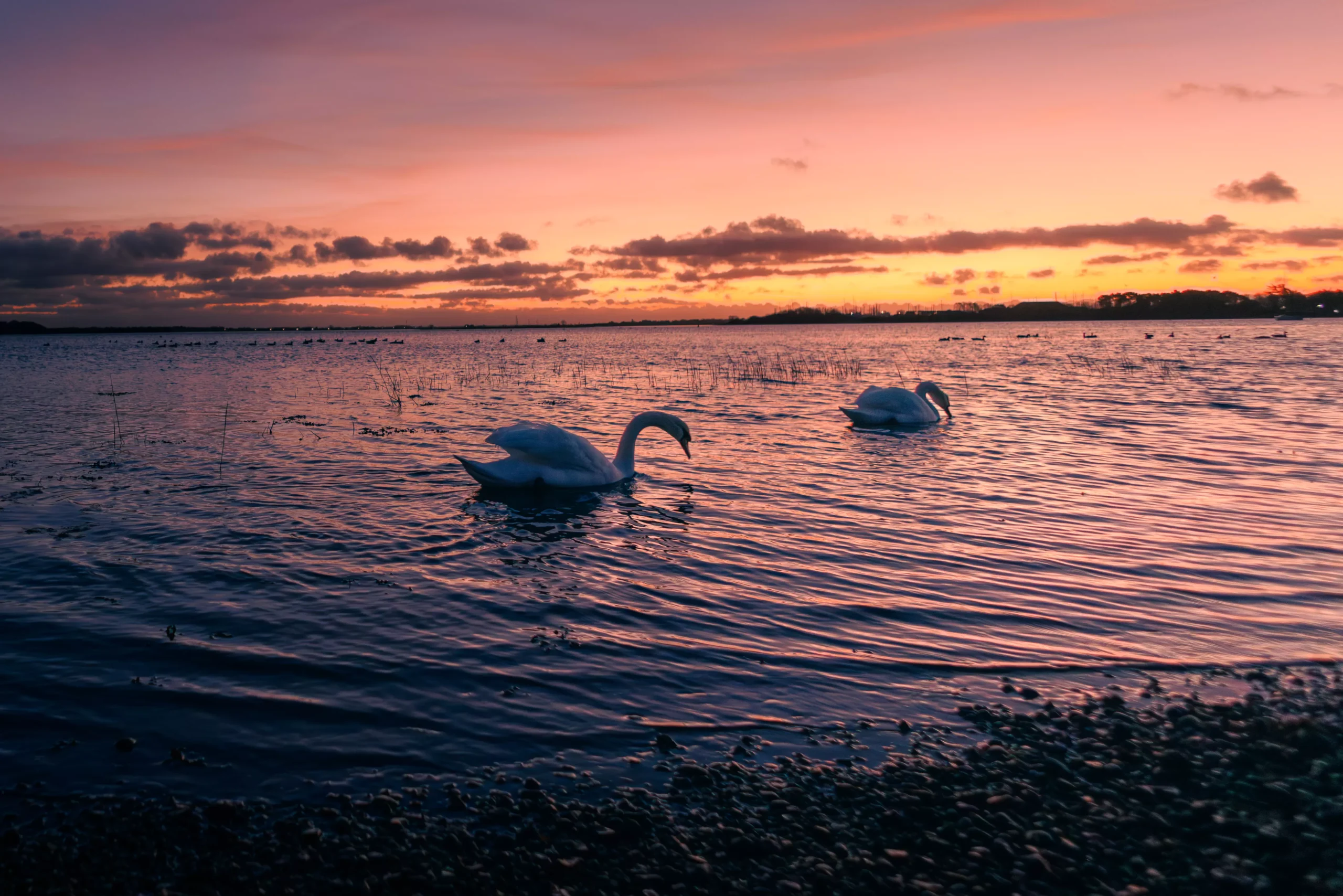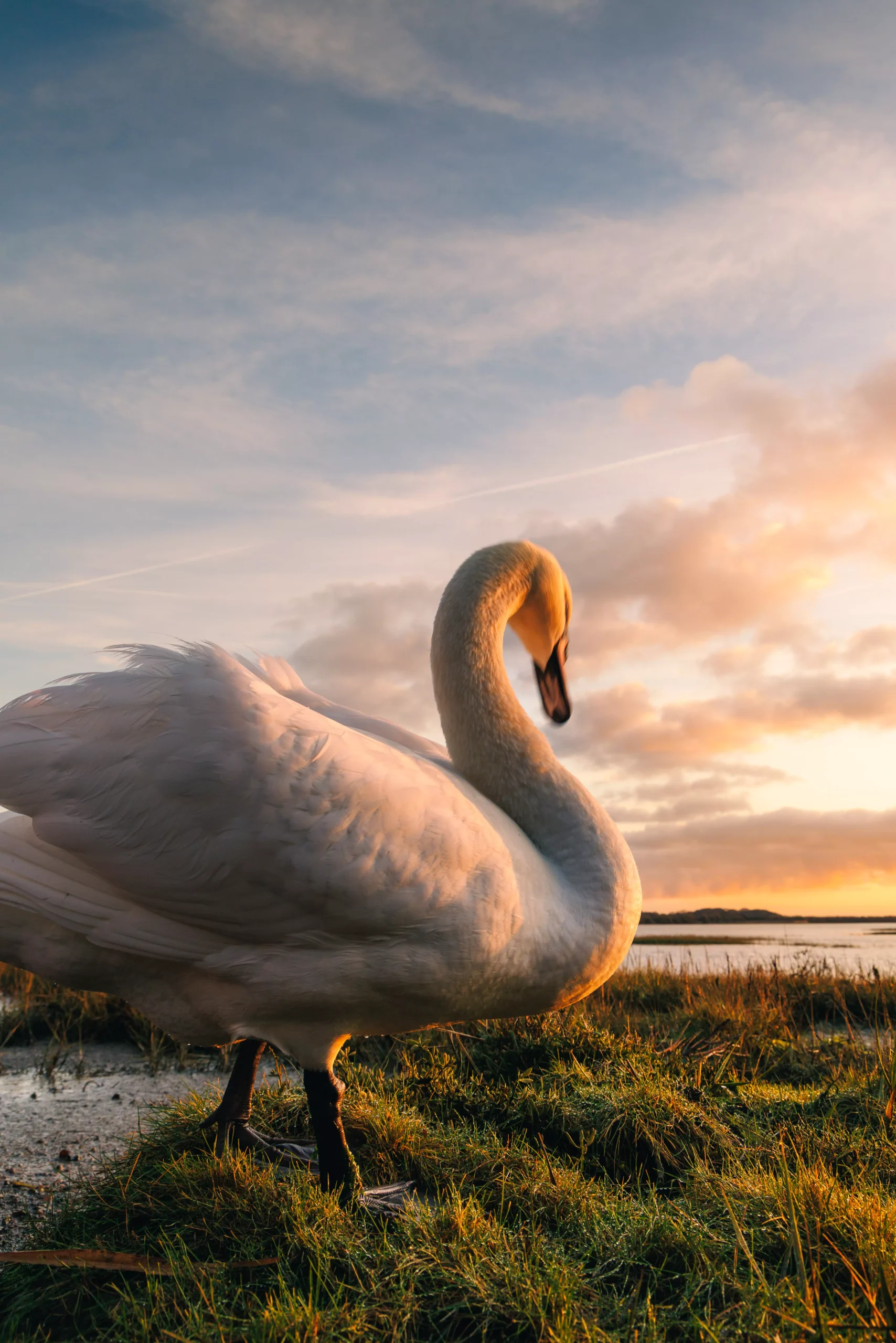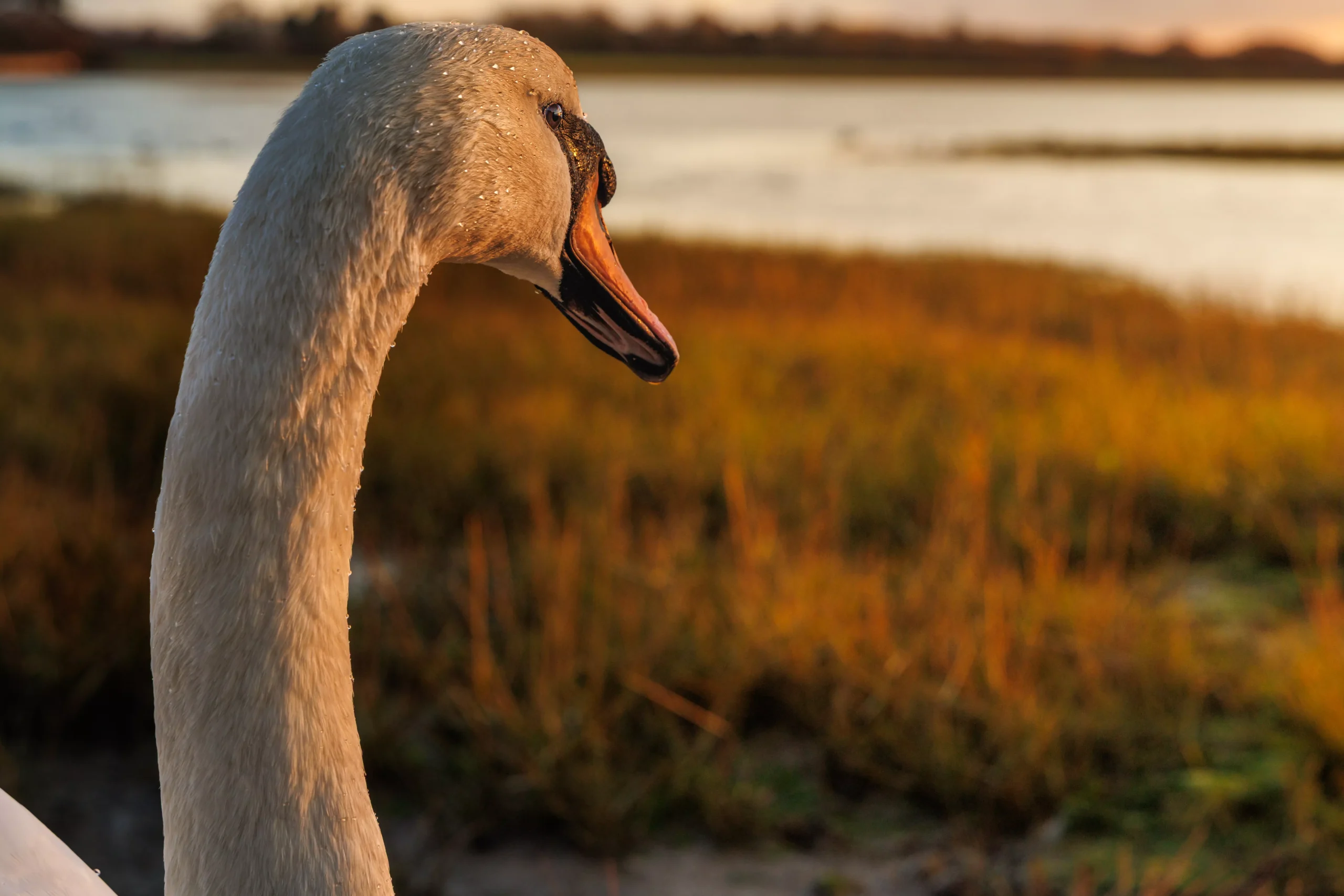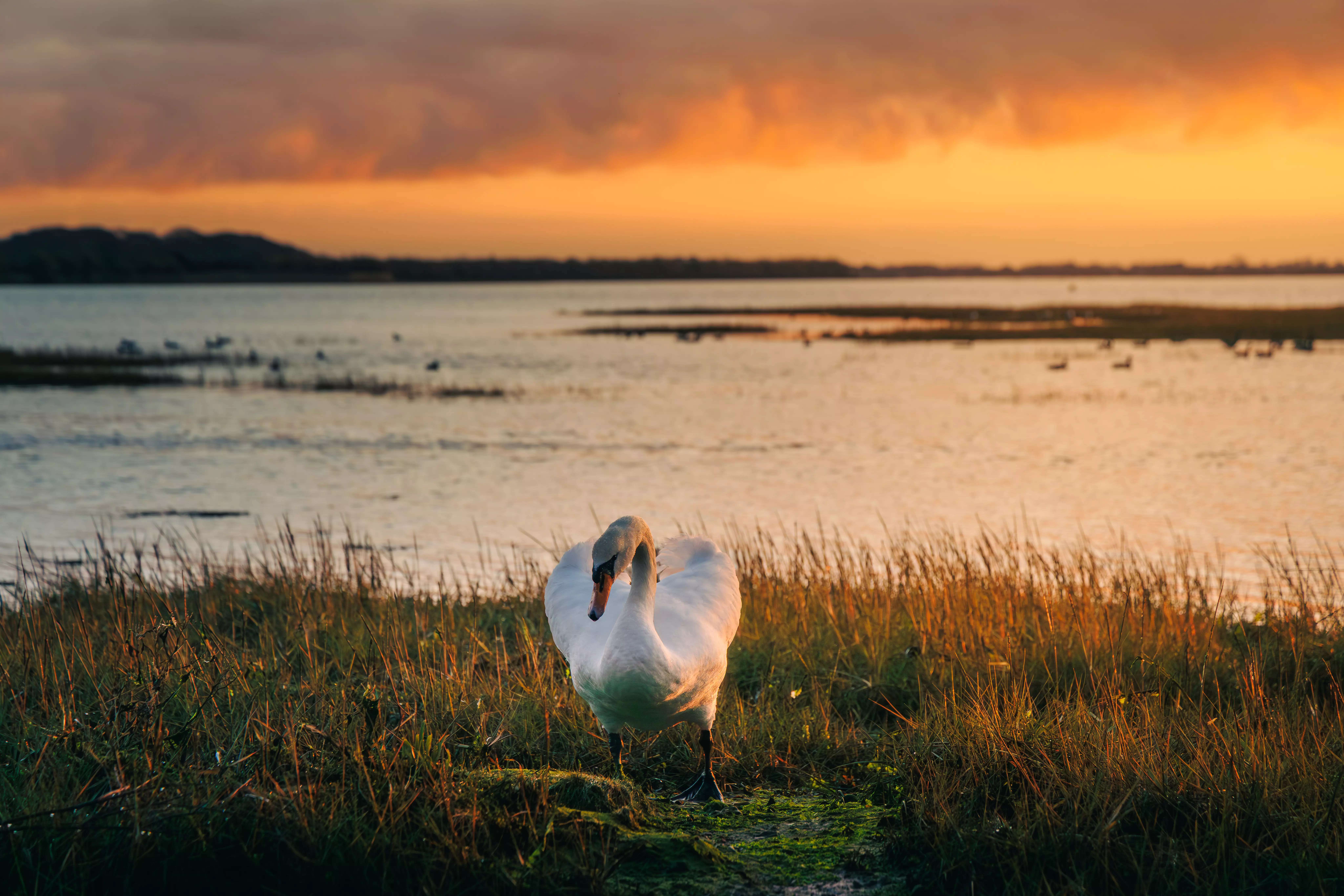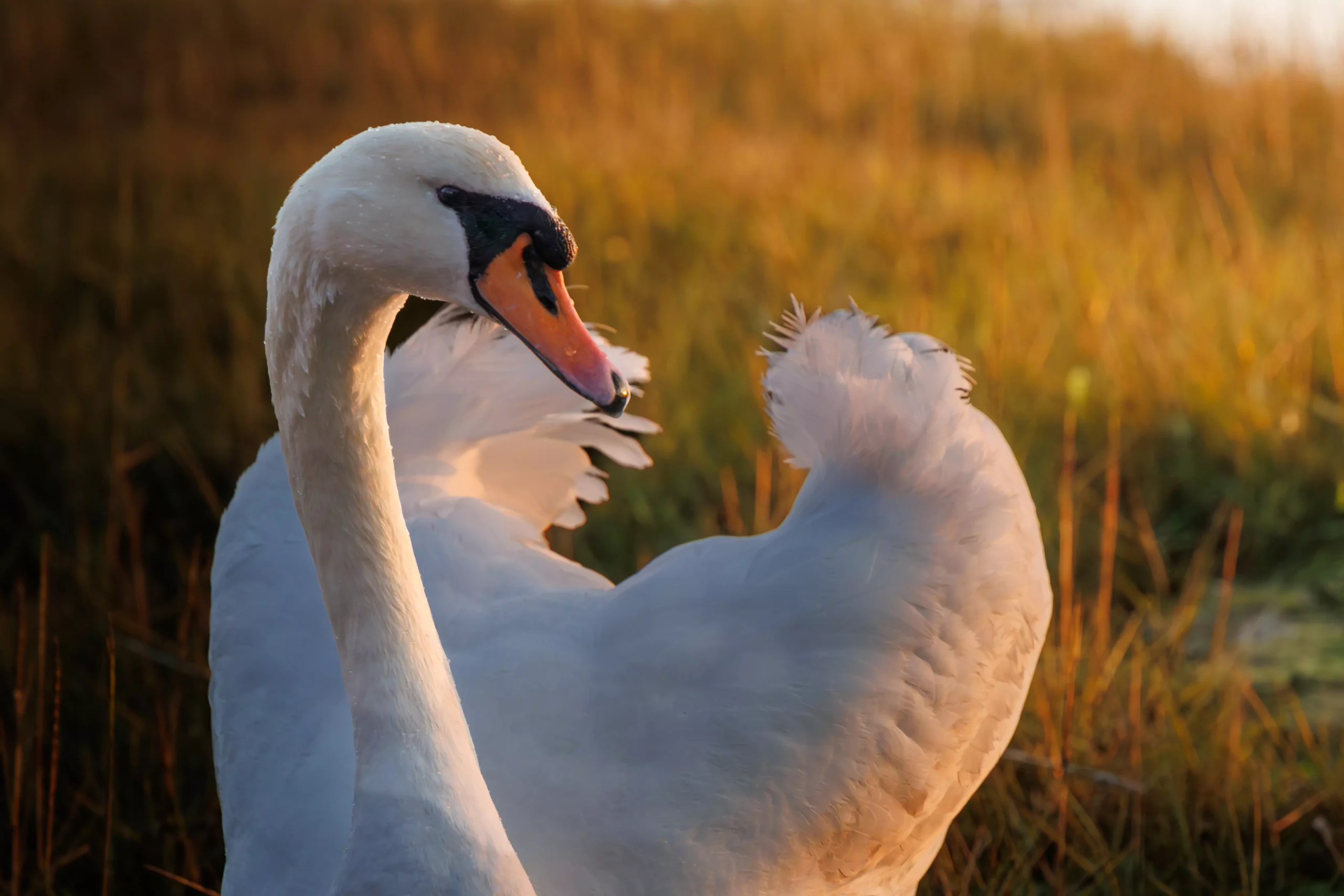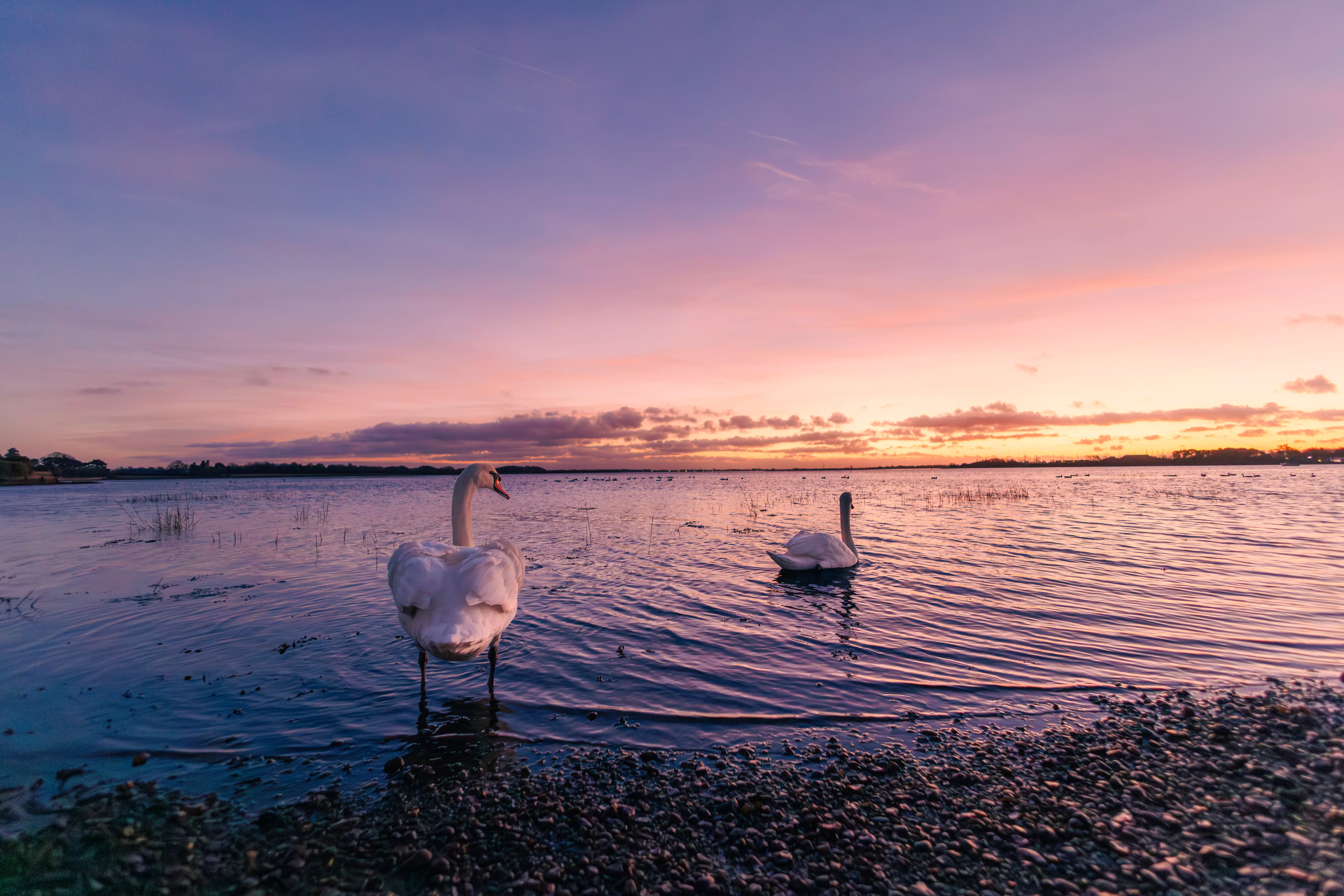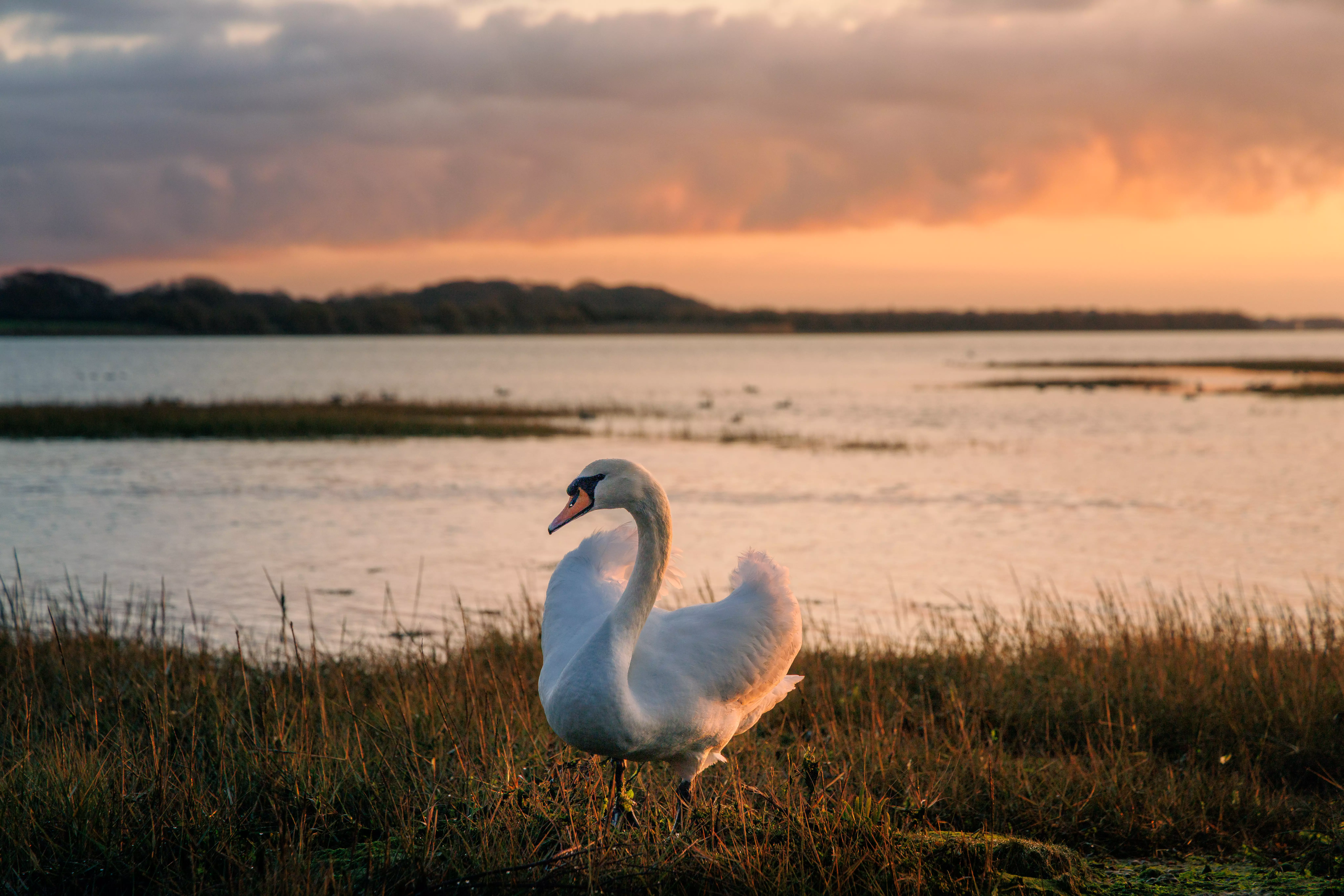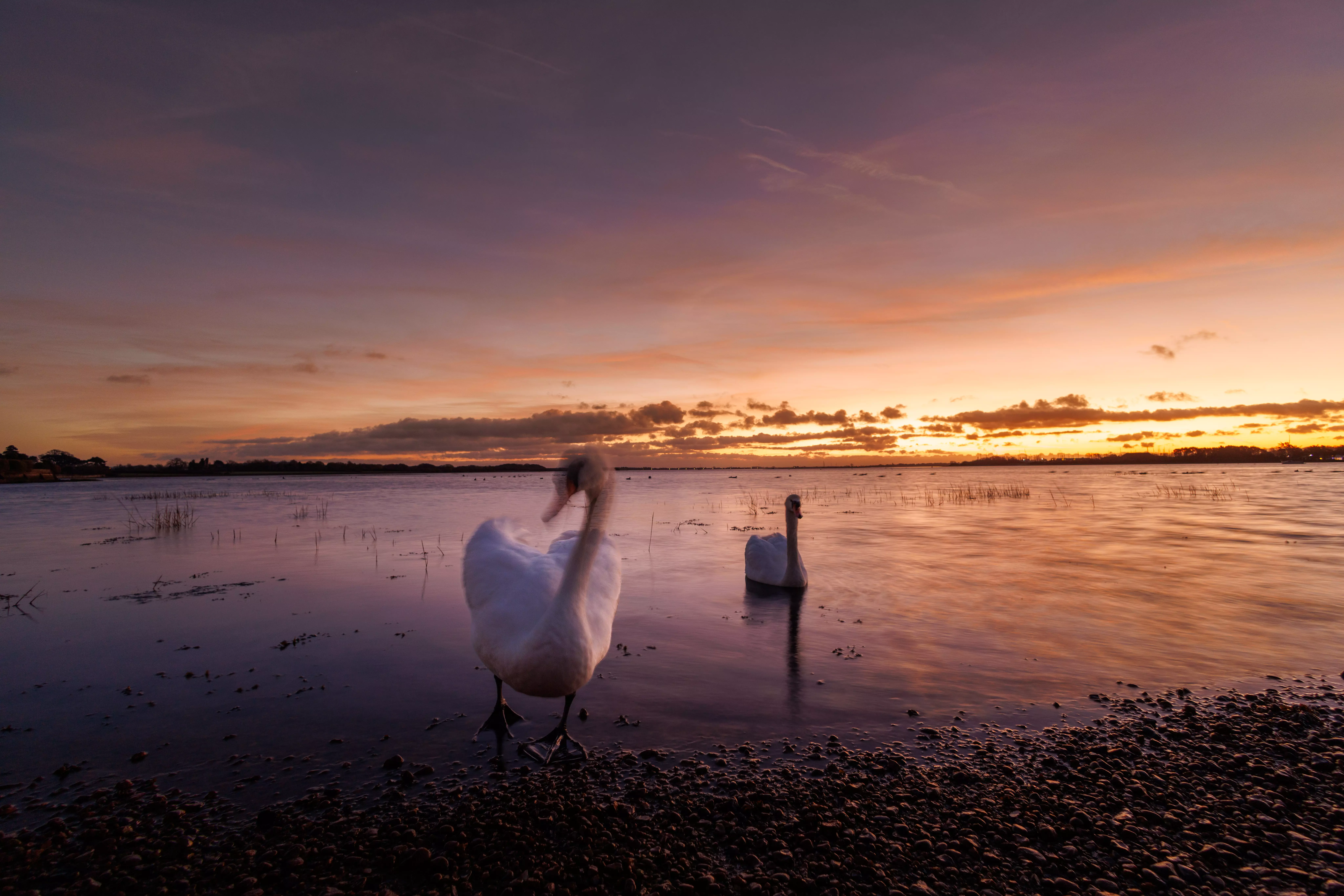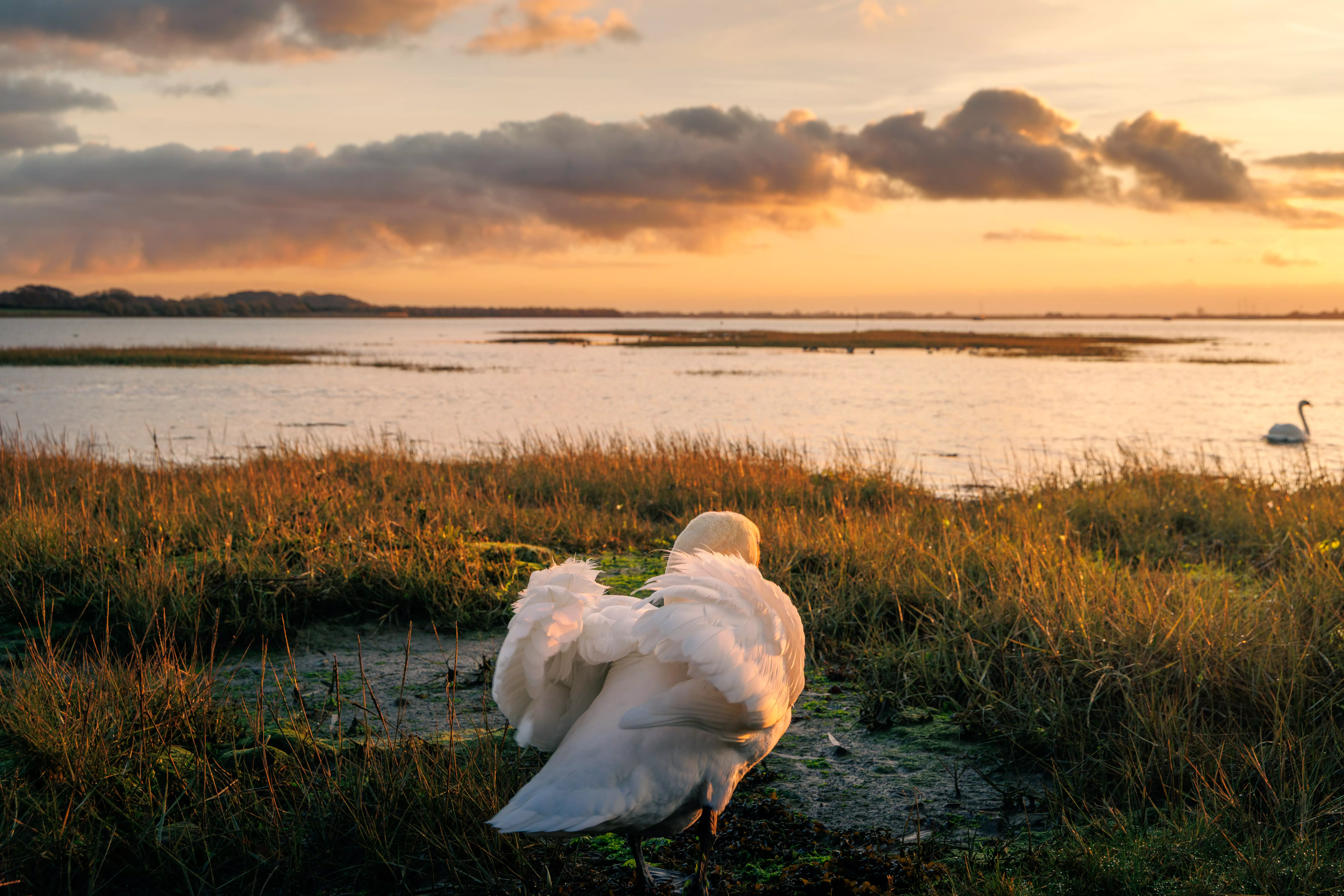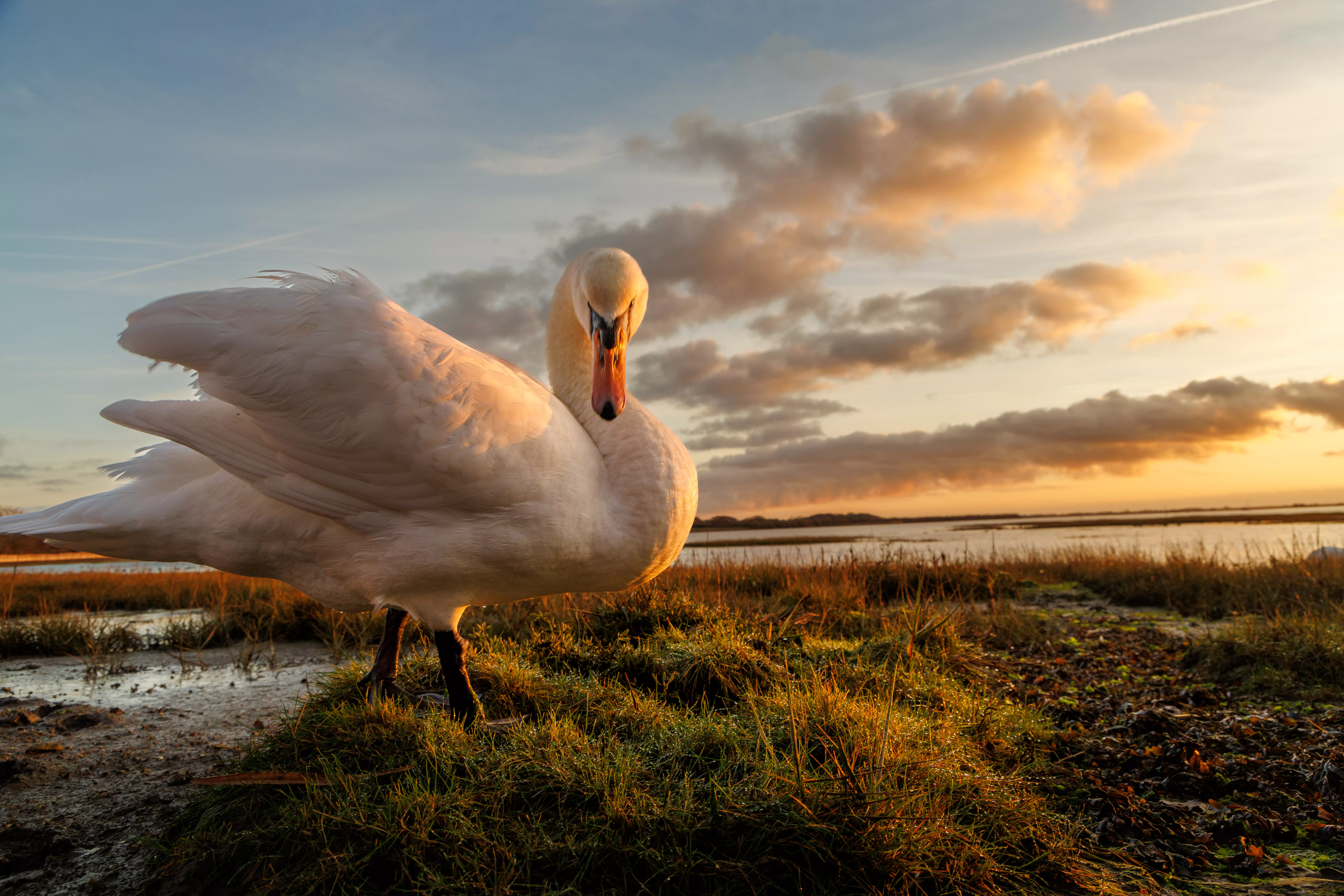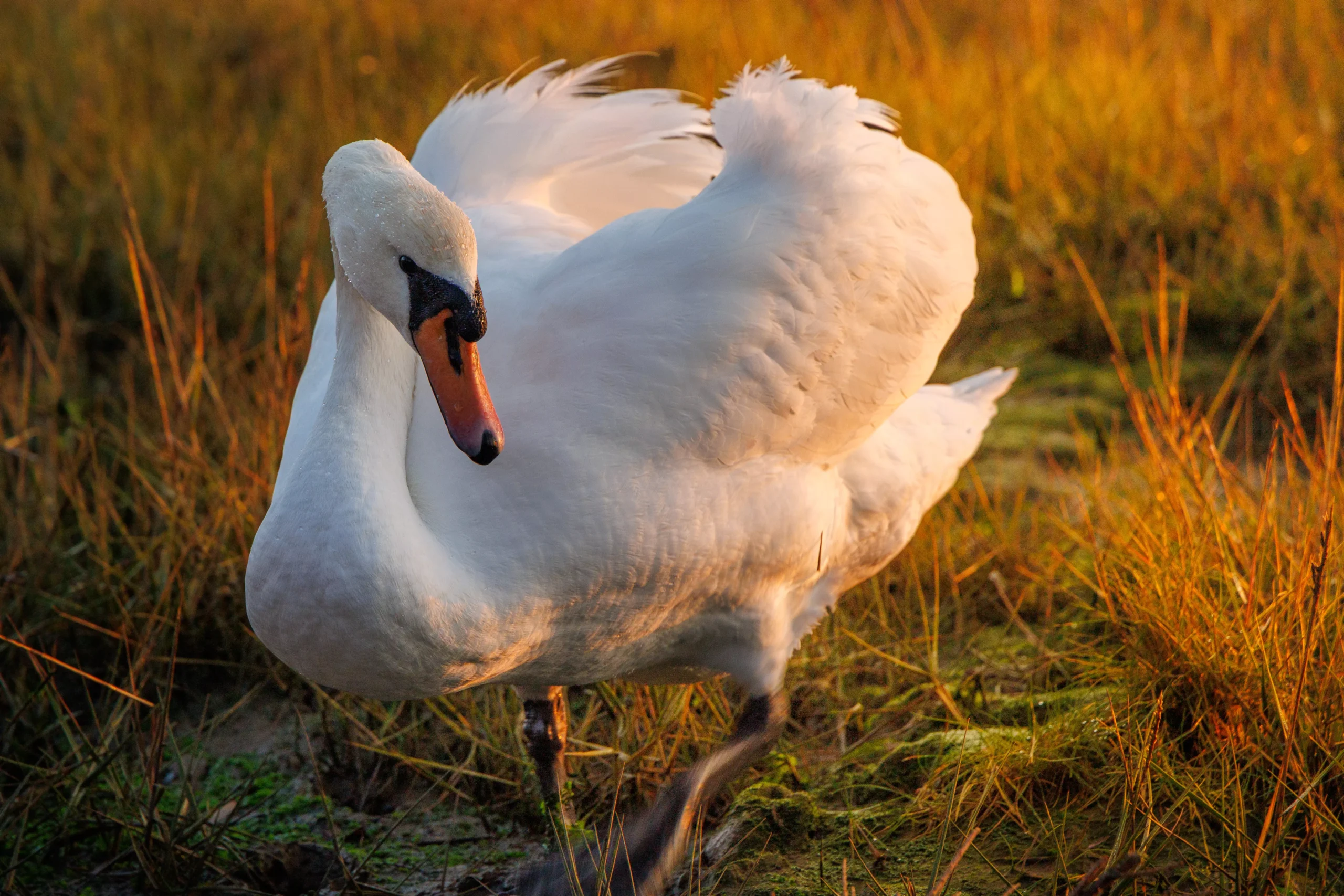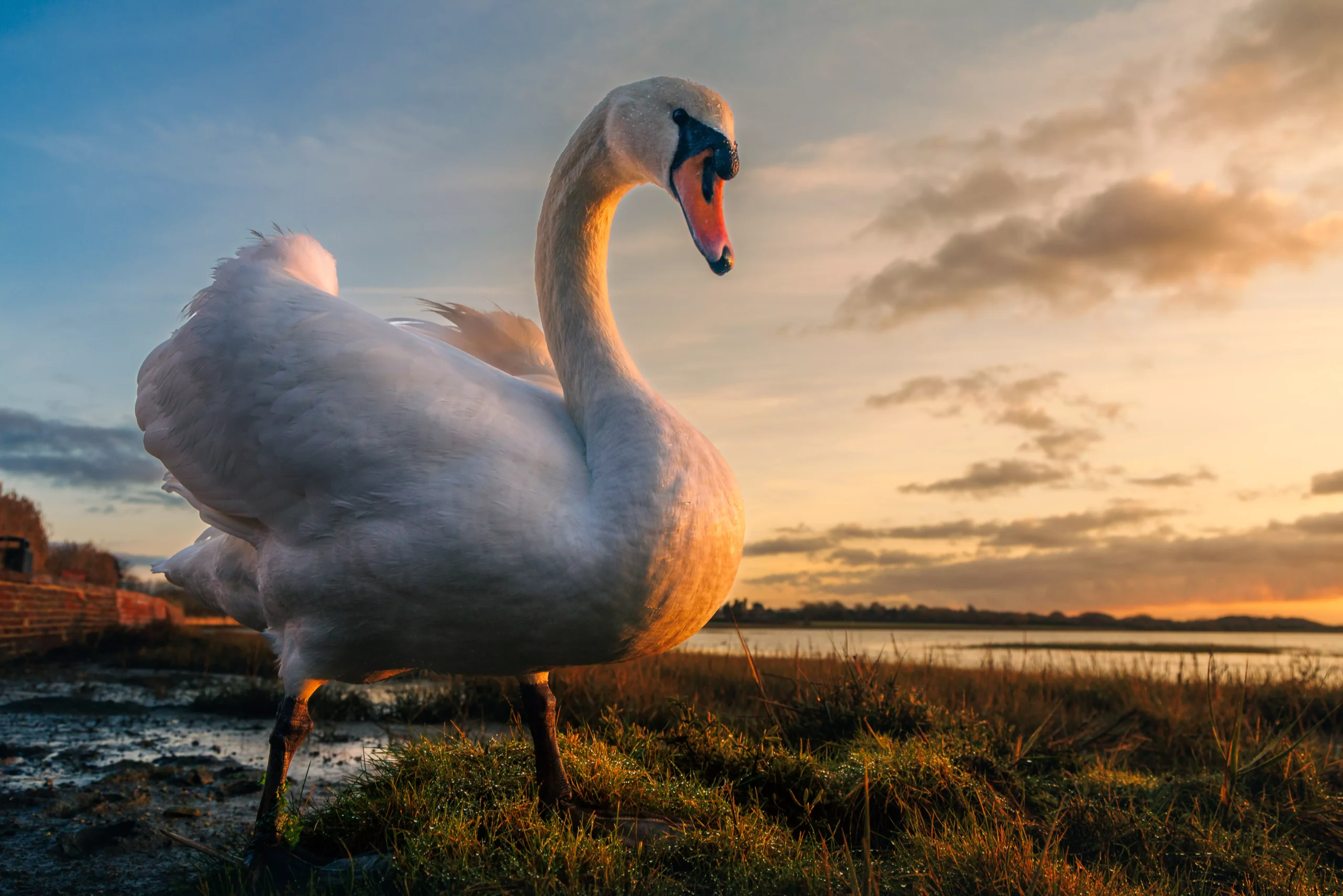
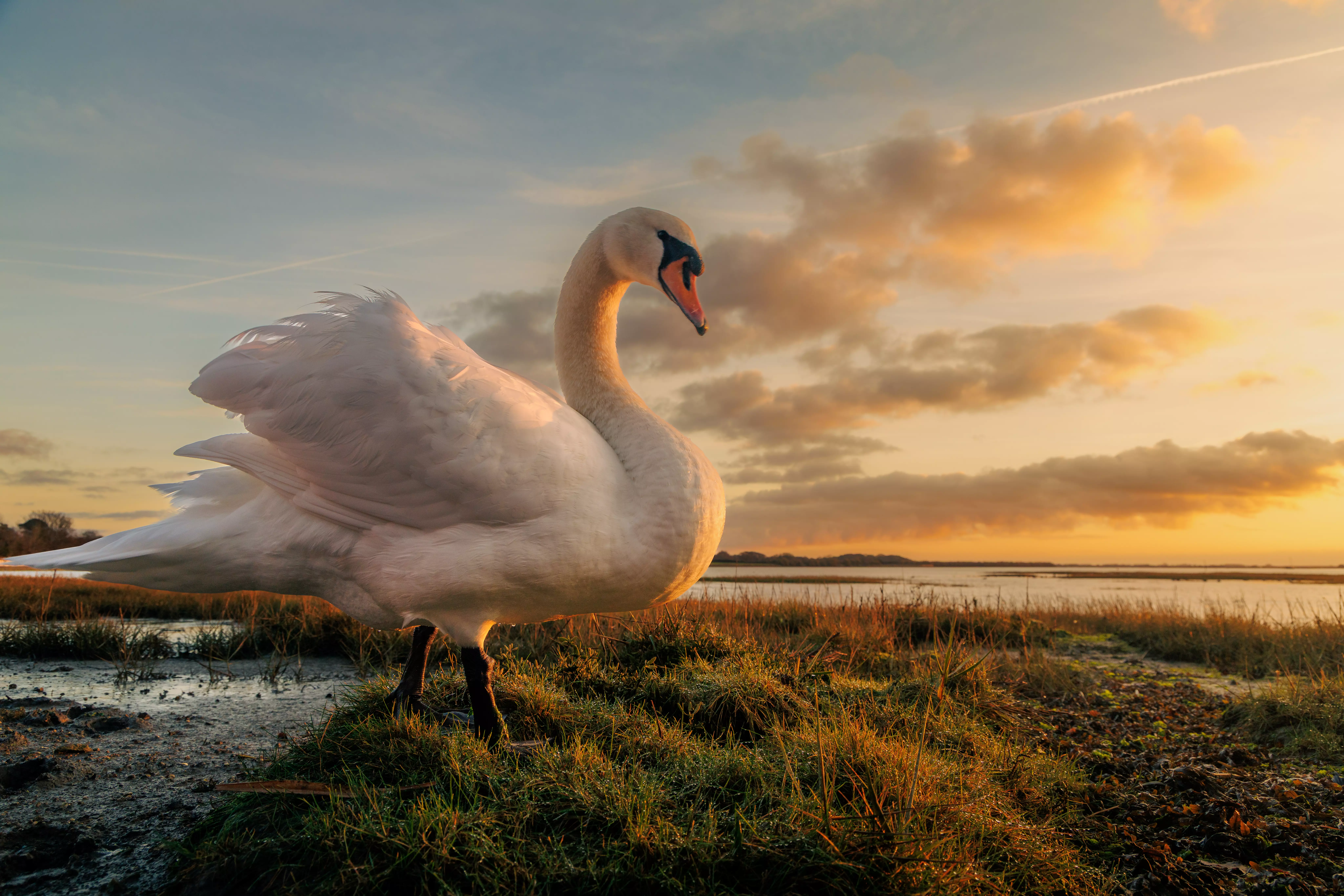
Langstone Harbour swans are something I have photographed more times than I can count, and every single visit has given me something different. The harbour sits just east of Portsmouth, and for most people it's somewhere you drive past on the way to Hayling Island. But if you are there early enough, before the dog walkers and the commuters, it is one of my favourite places on the south coast.
I have been coming here for years. It is the kind of location that does not announce itself. There is no dramatic cliff face or famous viewpoint. It is tidal mudflats, saltmarsh, a few old quays and a horizon that goes on forever when the light is right. And the light here can be genuinely special. Something about the way the harbour opens up to the south means you get these long, uninterrupted golden hours that paint everything in colours you would never believe if you did not see them yourself.
The swans have always been part of it. Langstone Harbour is home to one of the south coast's most established mute swan populations, and at certain times of year they gather in big numbers. I'm not a wildlife photographer by trade, but with swans on water lit copper by the rising sun, you don't need to be.
These images were taken across several visits, mostly in the early morning and late evening when the harbour is at its quietest and the light is doing the most interesting things. The RF 100-500mm was the lens for most of this work, giving me enough reach to keep my distance and let the birds behave naturally without any awareness of me being there. There is something about a telephoto that forces patience. You set up and wait.
Photographing the Langstone Harbour swans taught me a lot about stillness, both theirs and mine. I was after the quieter moments, not the wing spreads or chases, though those happened too: a single swan, head tucked, drifting slowly across a reflection of the sky.
The harbour changes with every season. In winter the light sits low all day and the mud takes on a silver quality that is unlike anything else. In summer the evenings stretch out and you can stay until gone nine at night and still be shooting in warm light. Spring brings the cygnets, small and grey and utterly oblivious to anything around them. Autumn is perhaps my favourite, when sea mist rolls in off the Solent and the Langstone Harbour swans appear out of the mist.
Portsmouth gets overlooked photographically. People head to the New Forest or the South Downs and forget that right on the city's doorstep there is a harbour that changes with every tide. I have stood on the shore at Langstone in January fog and August heat and it never looks the same twice. That is what keeps me coming back.
The kit for this project was straightforward. Canon EOS R5 Mark II body, RF 100-500mm for the reach, and a sturdy tripod for the longer exposures at dusk when the light drops away quickly. I shoot in RAW and process in Lightroom, keeping the colours as close to what I actually saw as possible.
If you have never visited Langstone Harbour, go. Go early, ideally on a rising tide. Take a flask and dress for the wind. The Langstone Harbour swans will find you eventually, and when the light falls just right, you will understand exactly why I keep setting that alarm for 4am.