Langstone Harbour, Winter Sunrise
There's a particular kind of cold that comes with a Langstone Harbour dawn in winter, the sort that gets into your fingers within the first ten minutes and doesn't let go until the sun's properly up. It's worth every bit of it.
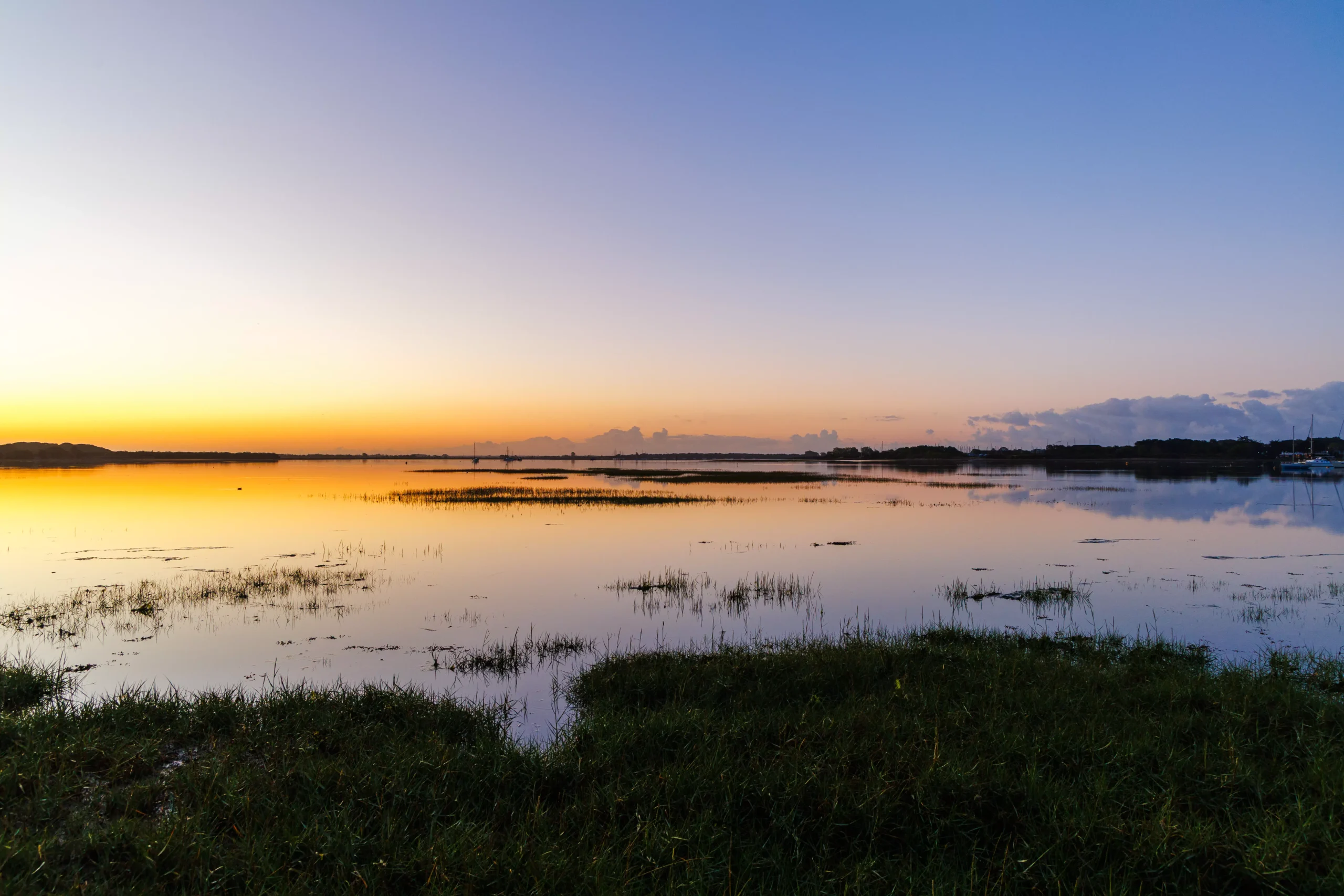
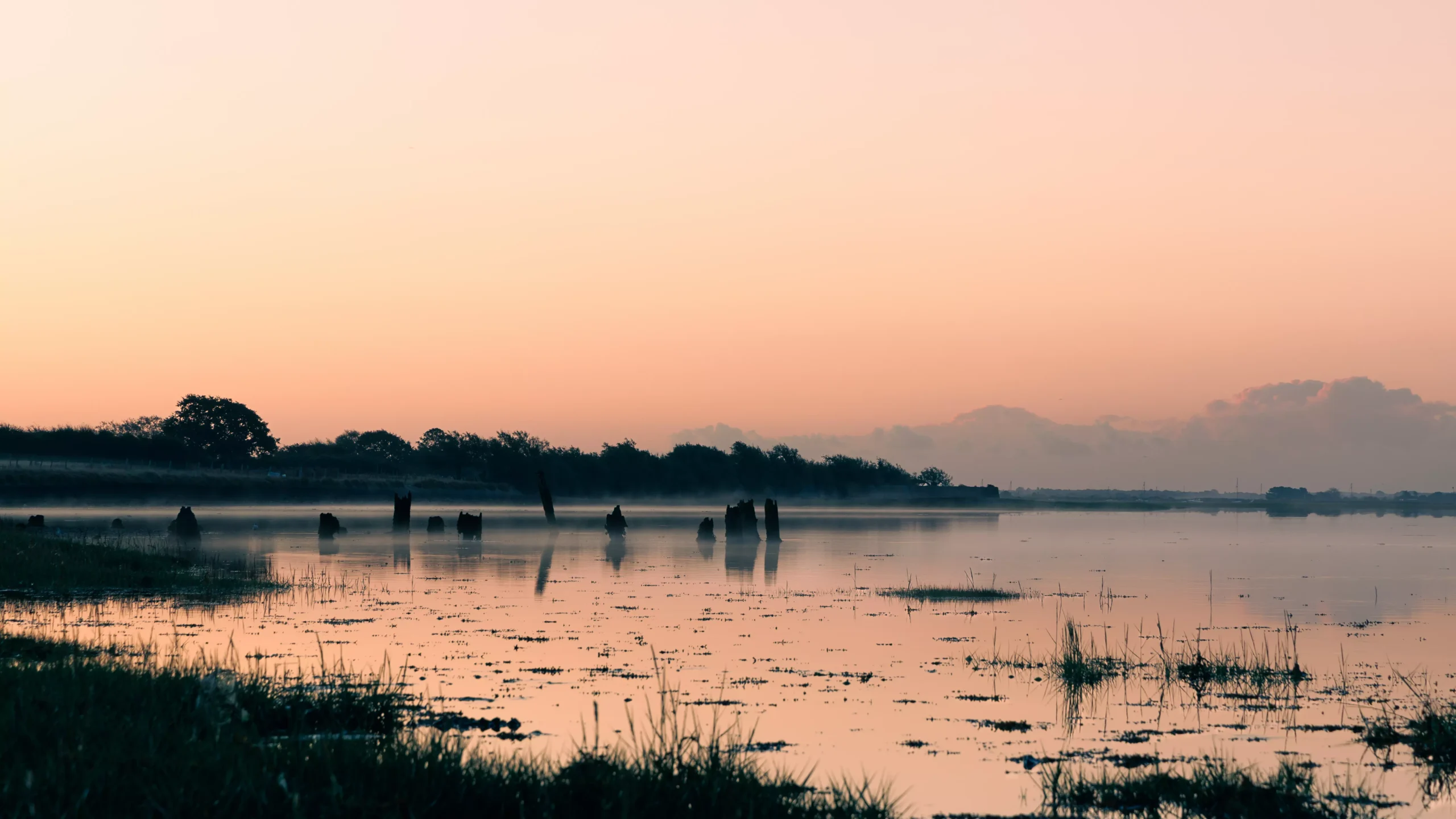
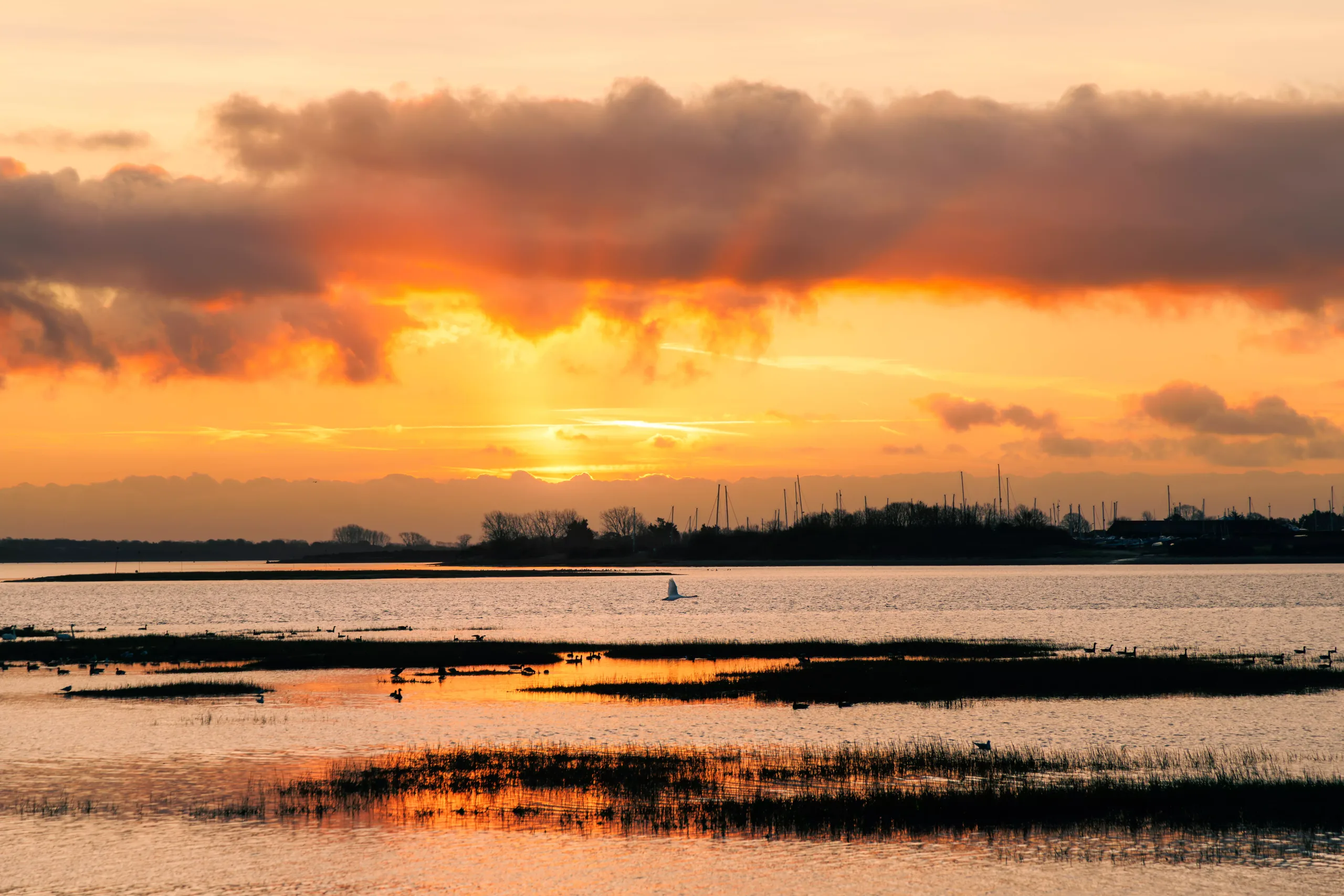
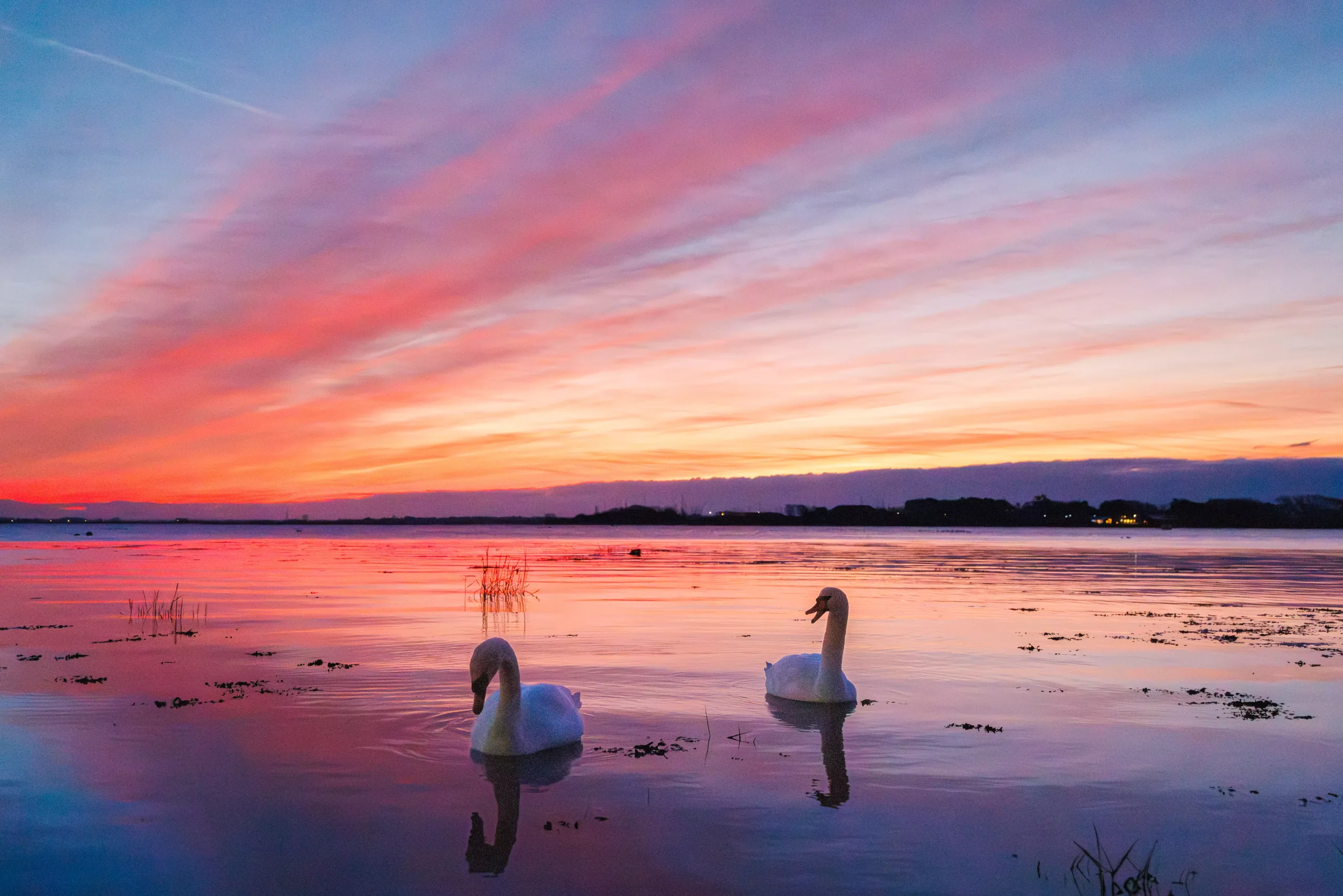
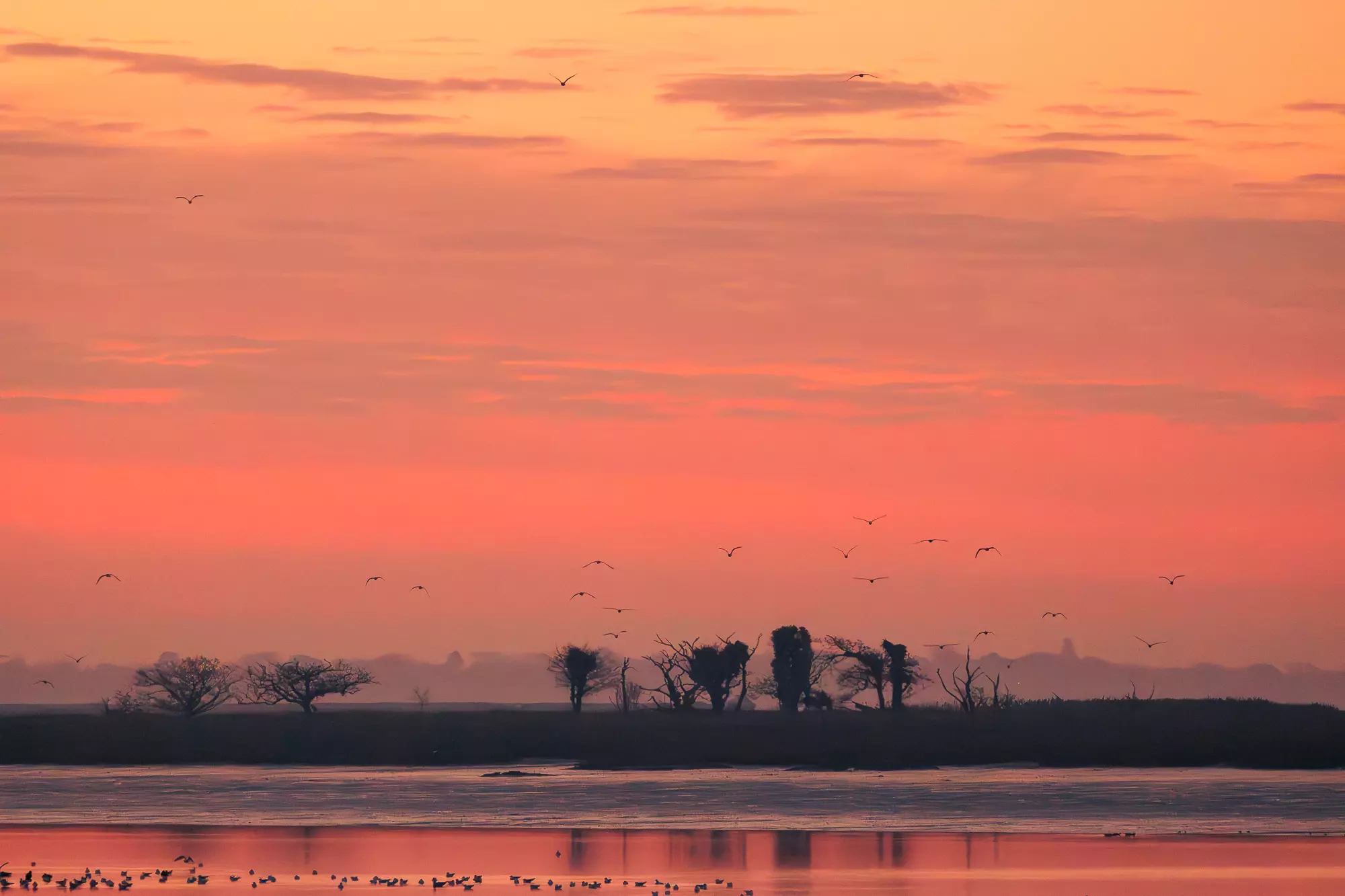
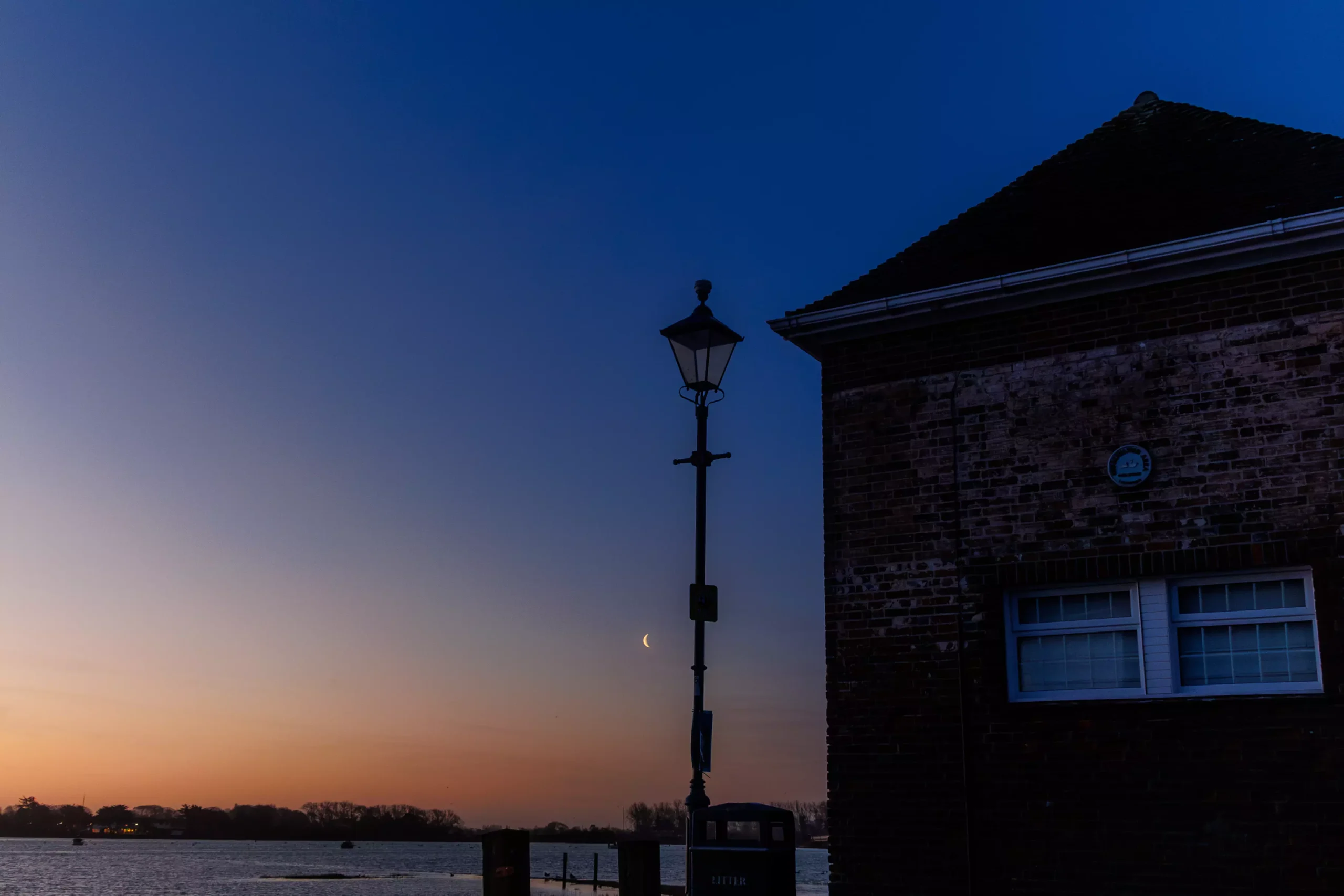
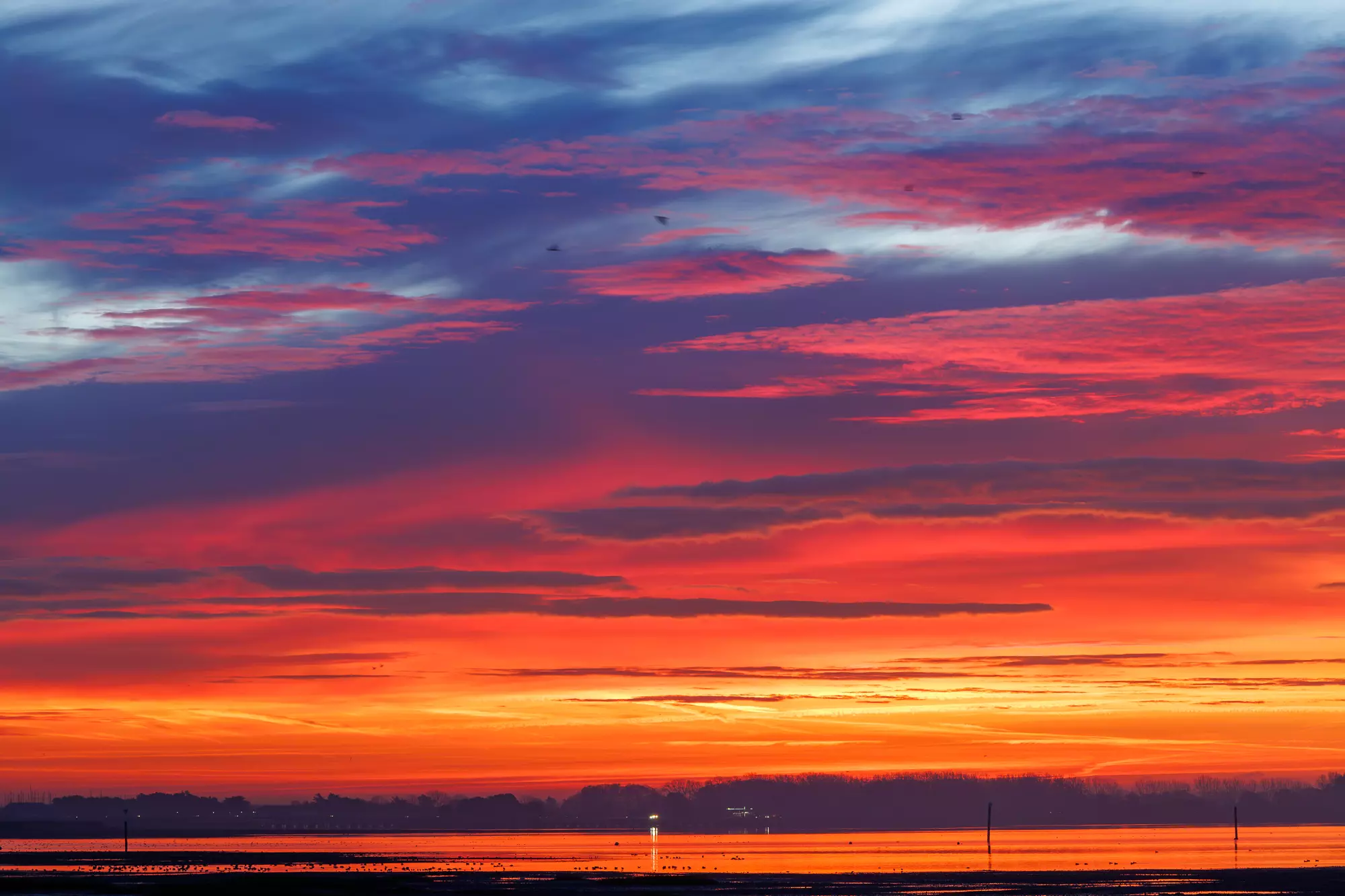
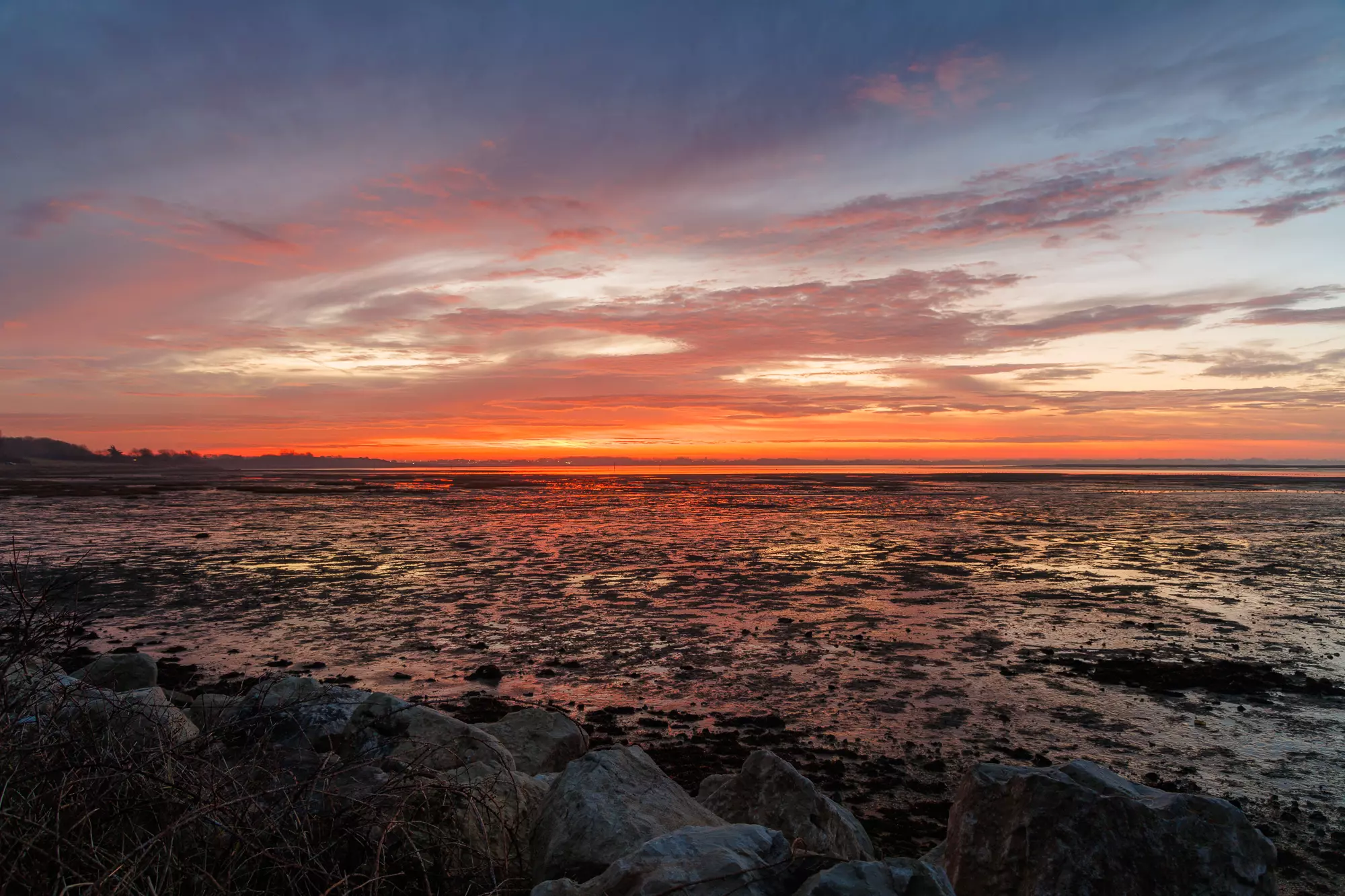
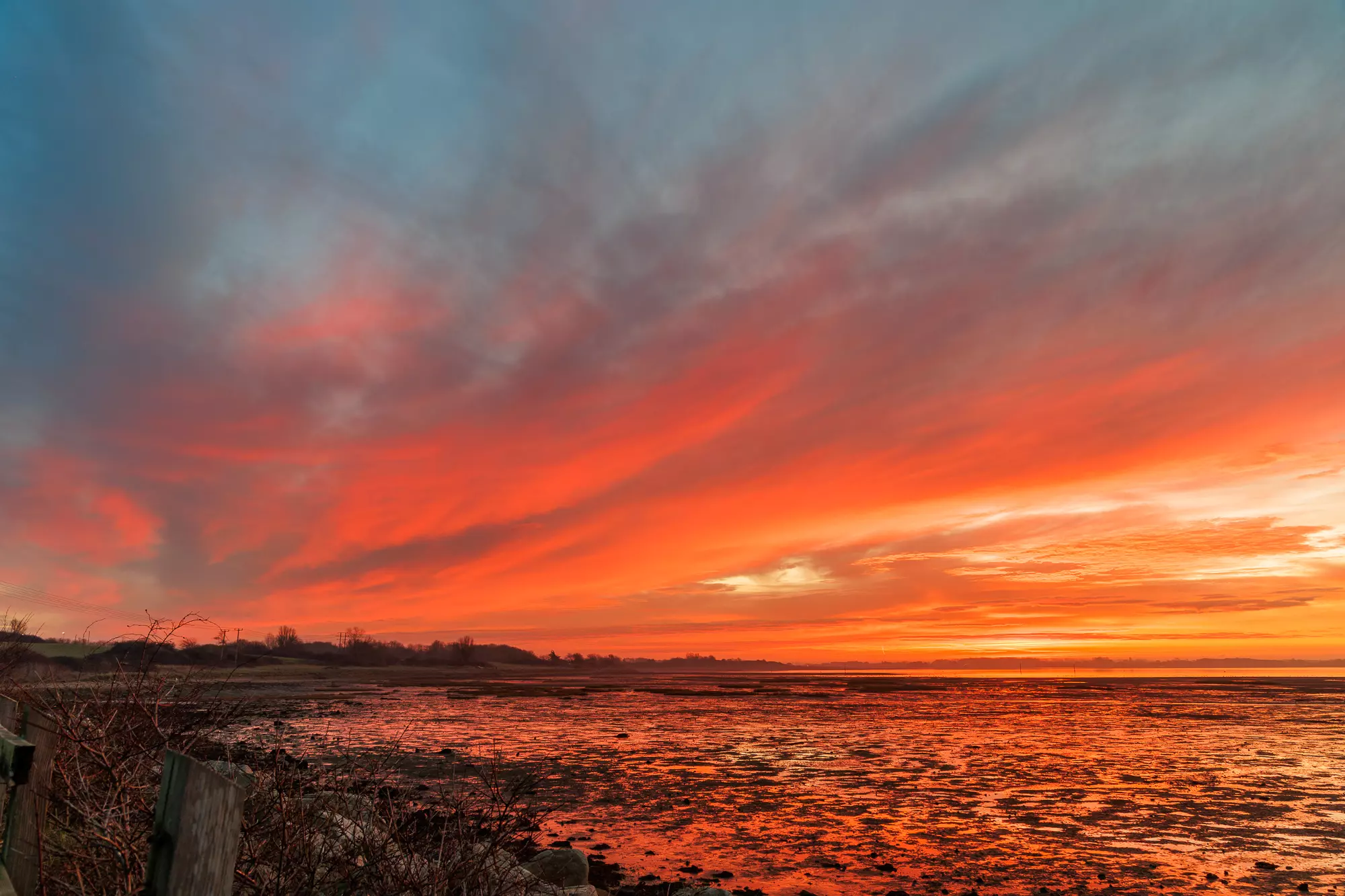
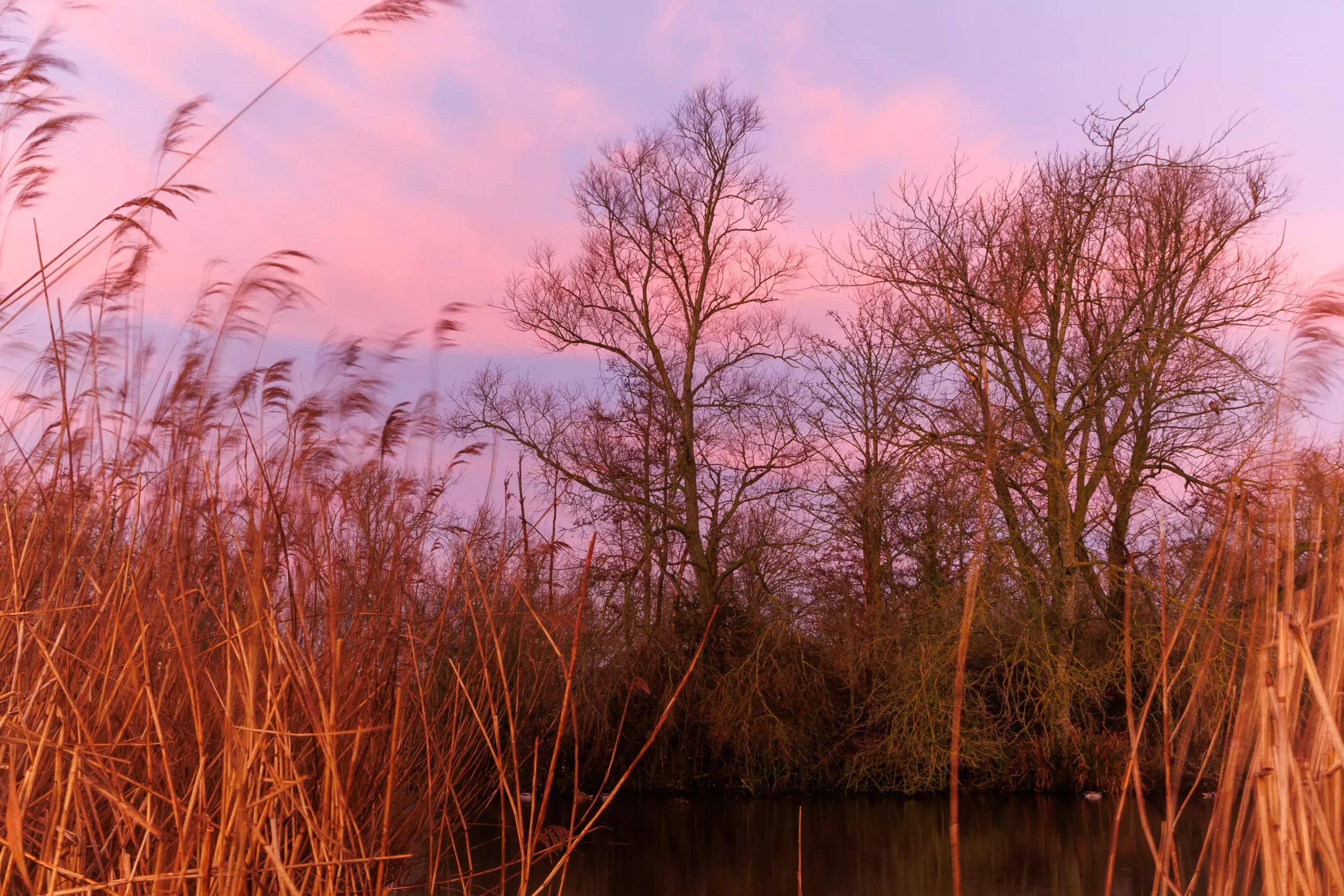
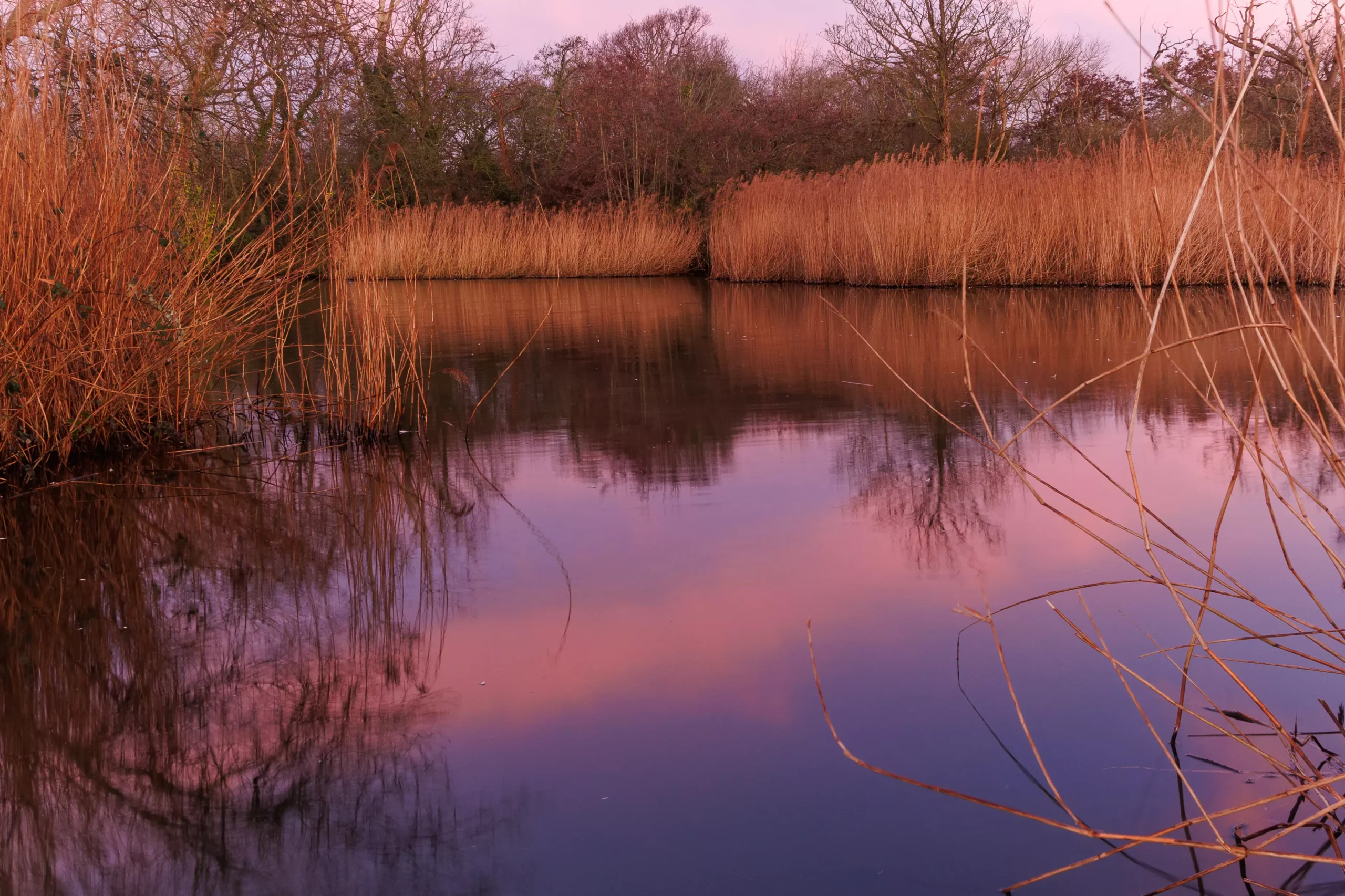
I timed these shots for the narrow window just after the sky starts to lighten but before the colour burns out, that brief stretch where the last of the blue hour is still hanging in the upper sky while the horizon turns orange, then pink, then a colour I don't really have a name for. It doesn't last long. Some mornings it's gone in minutes.
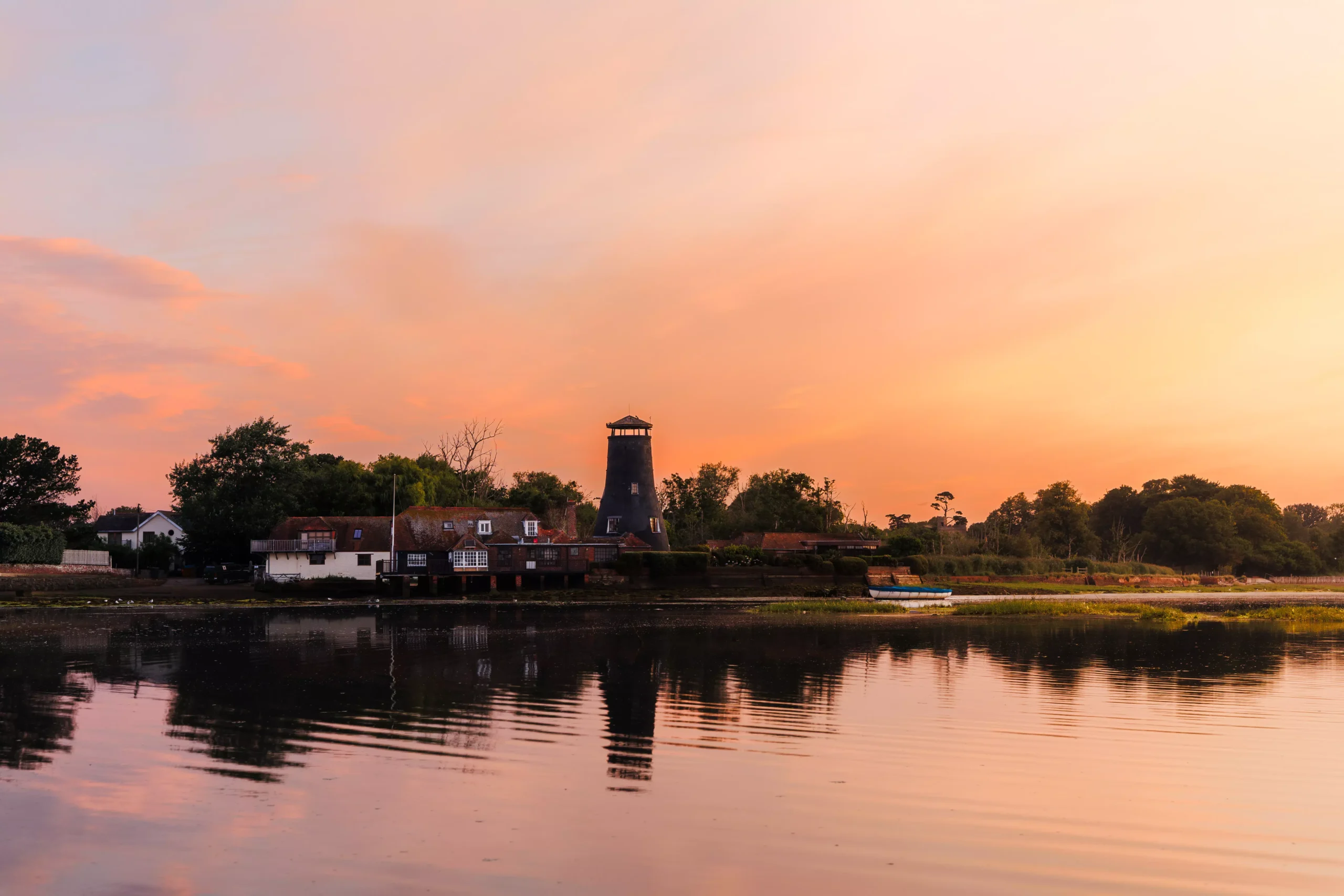
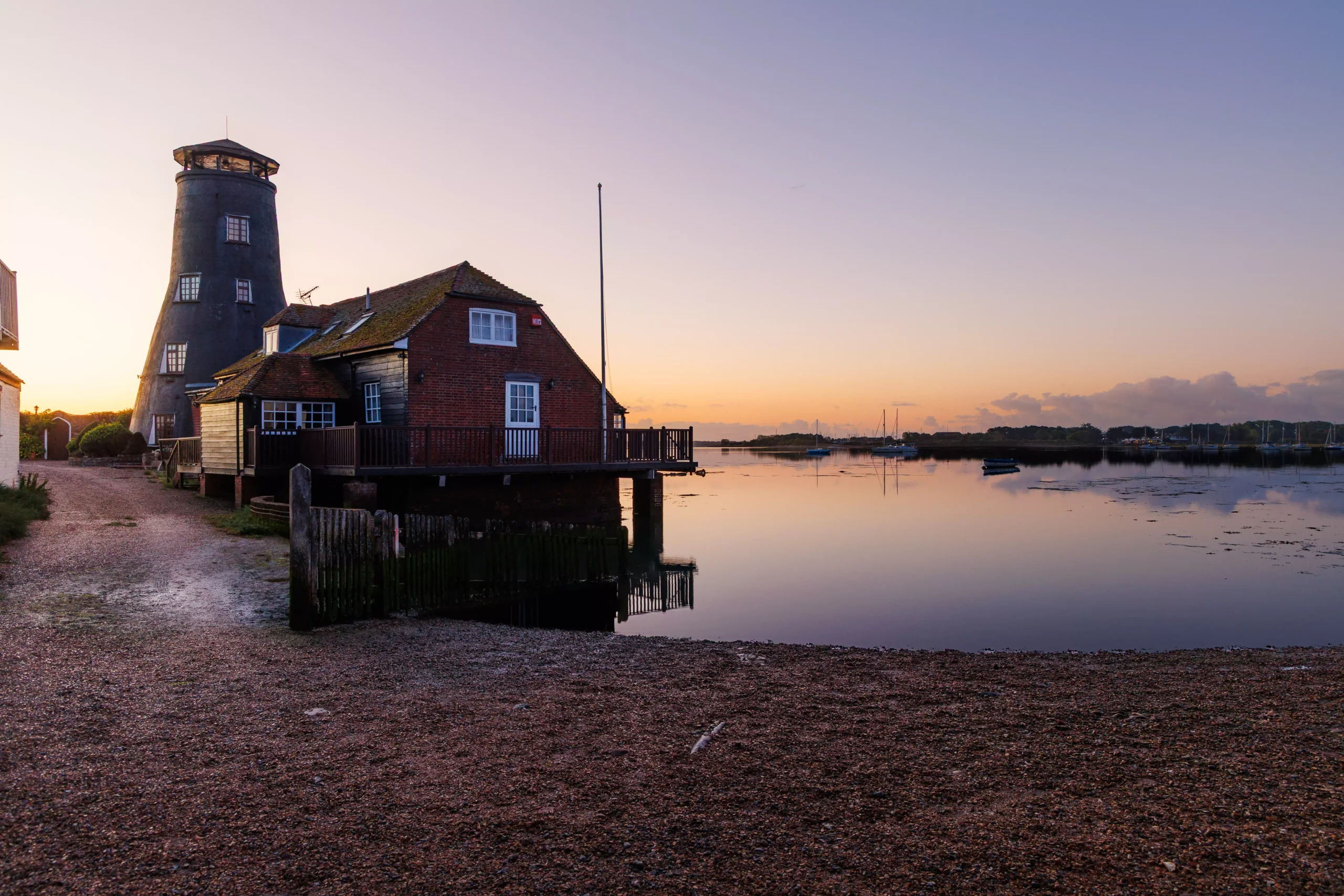
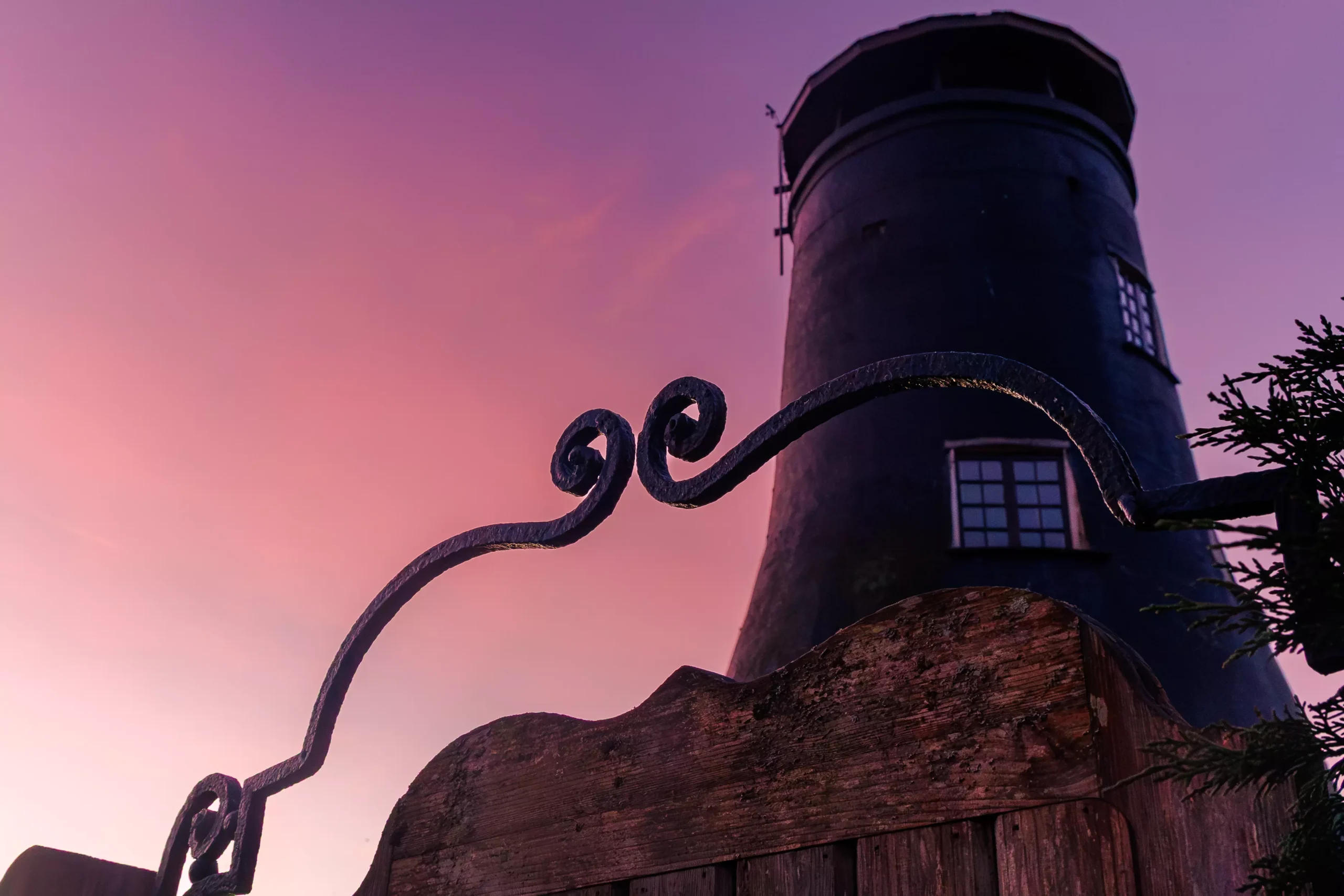
The old windmill anchors most of my favourite frames from here. Its dark silhouette against a lifting sky gives the eye somewhere to land before it wanders off across the mudflats, and depending on where I've walked to, it sits differently against the water each time, sometimes close and looming, sometimes a small dark shape a long way off across the harbour.
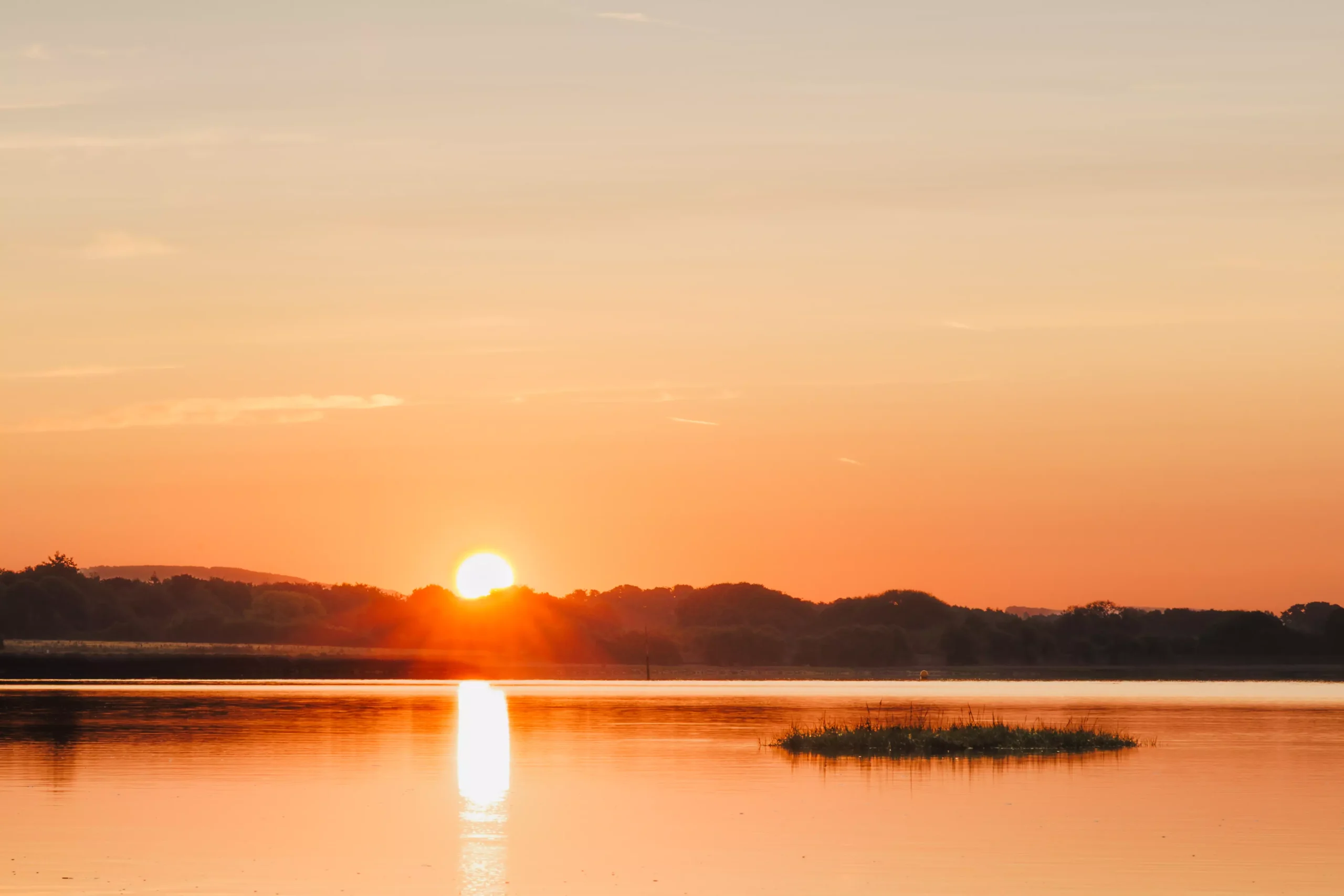
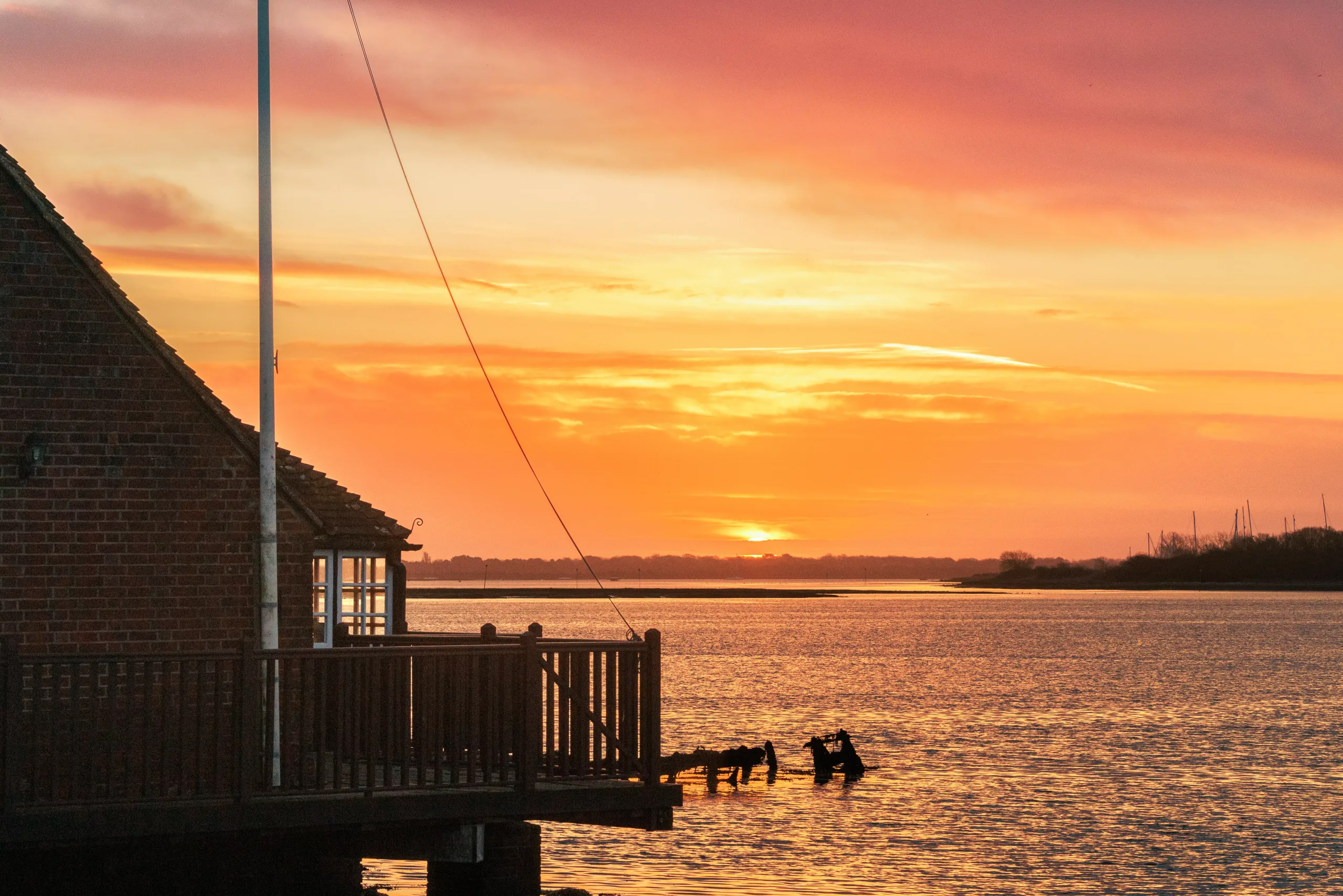
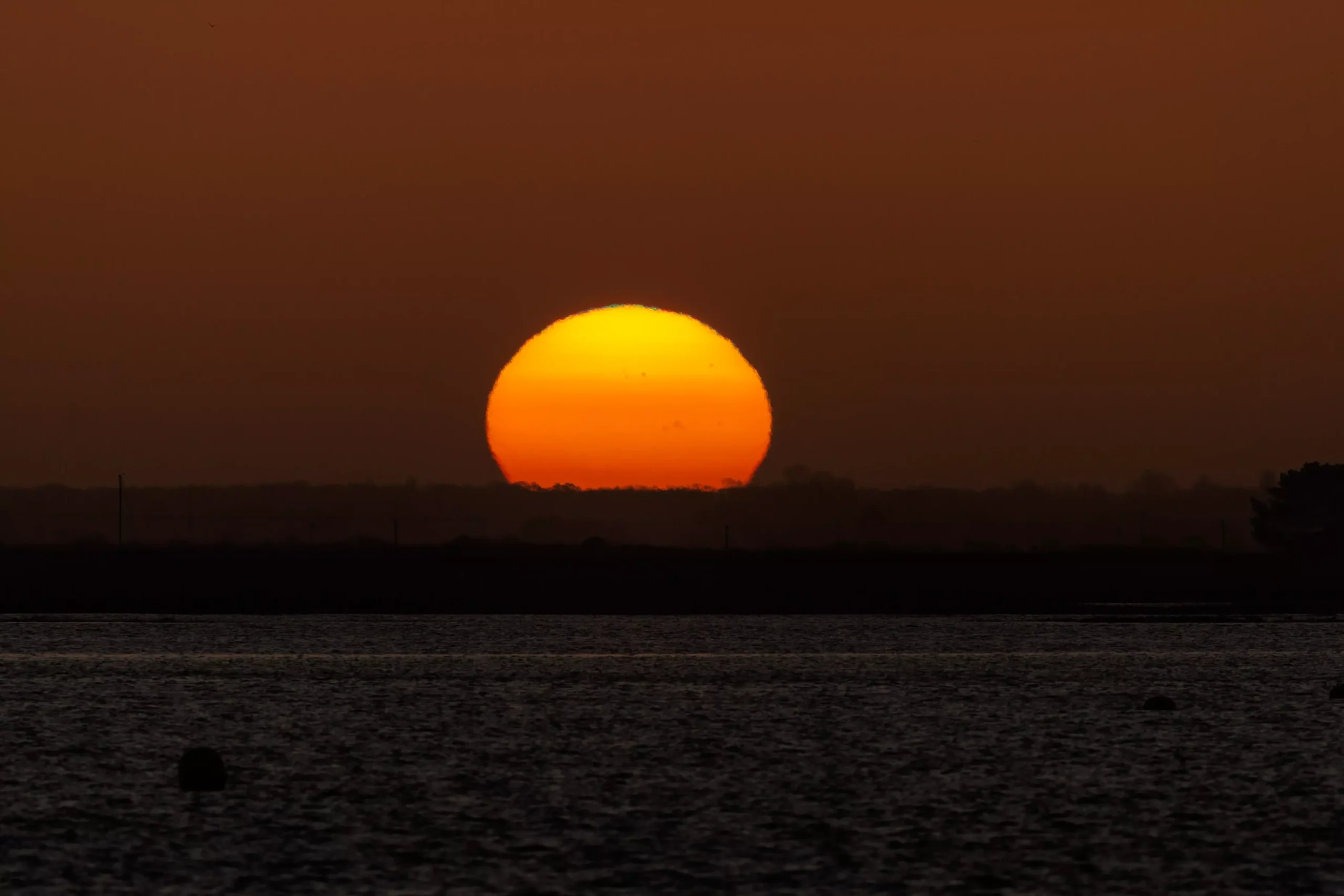
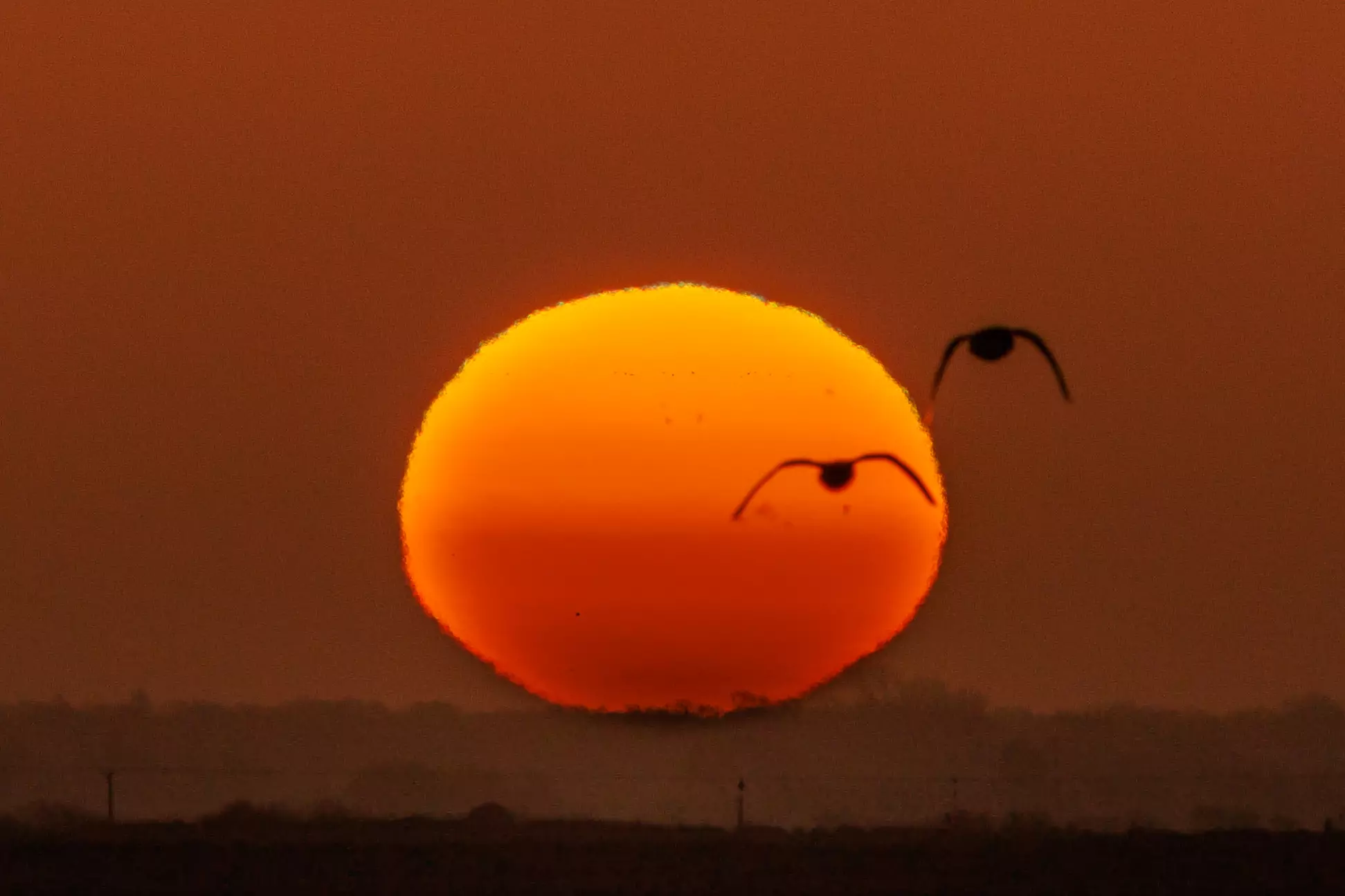
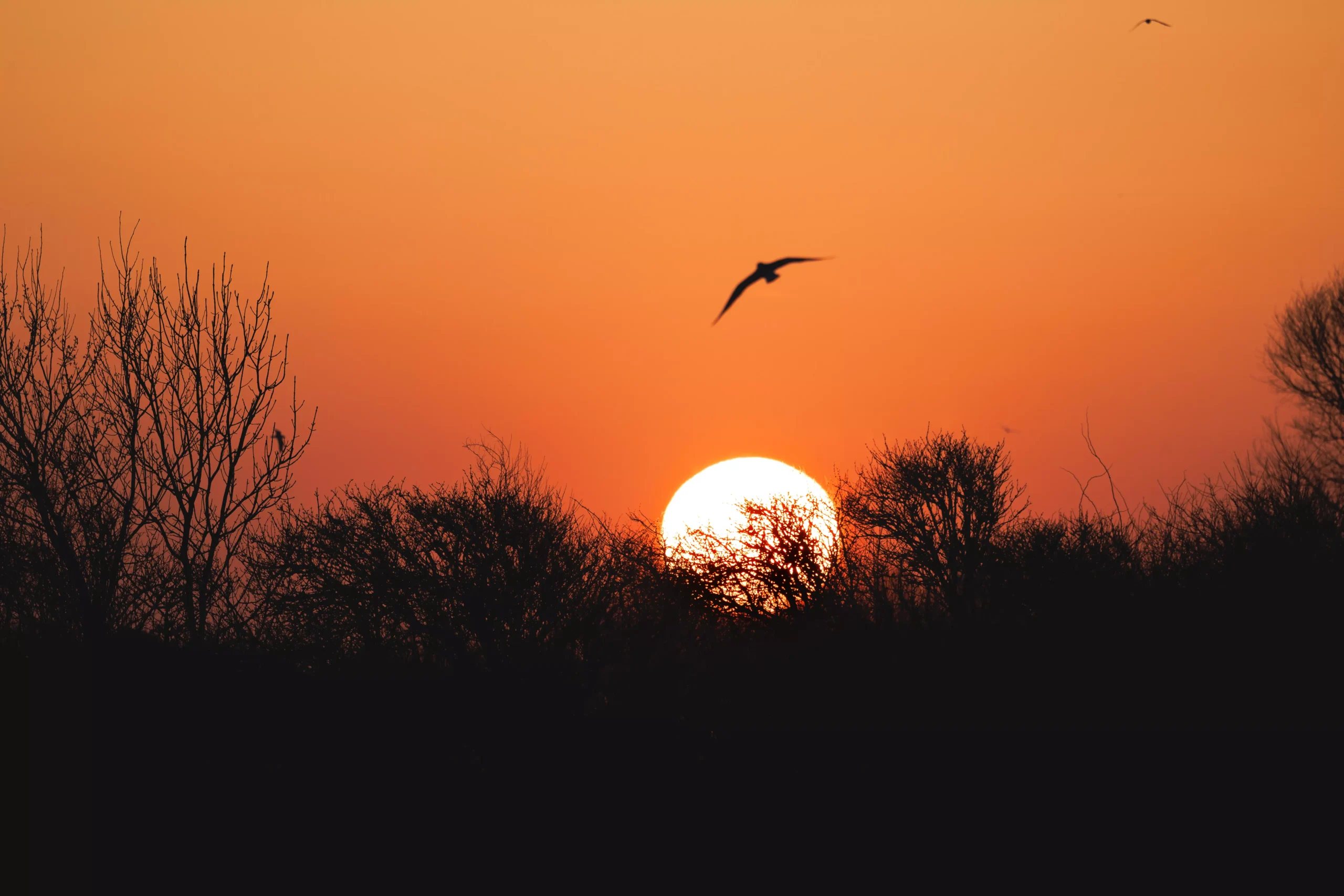
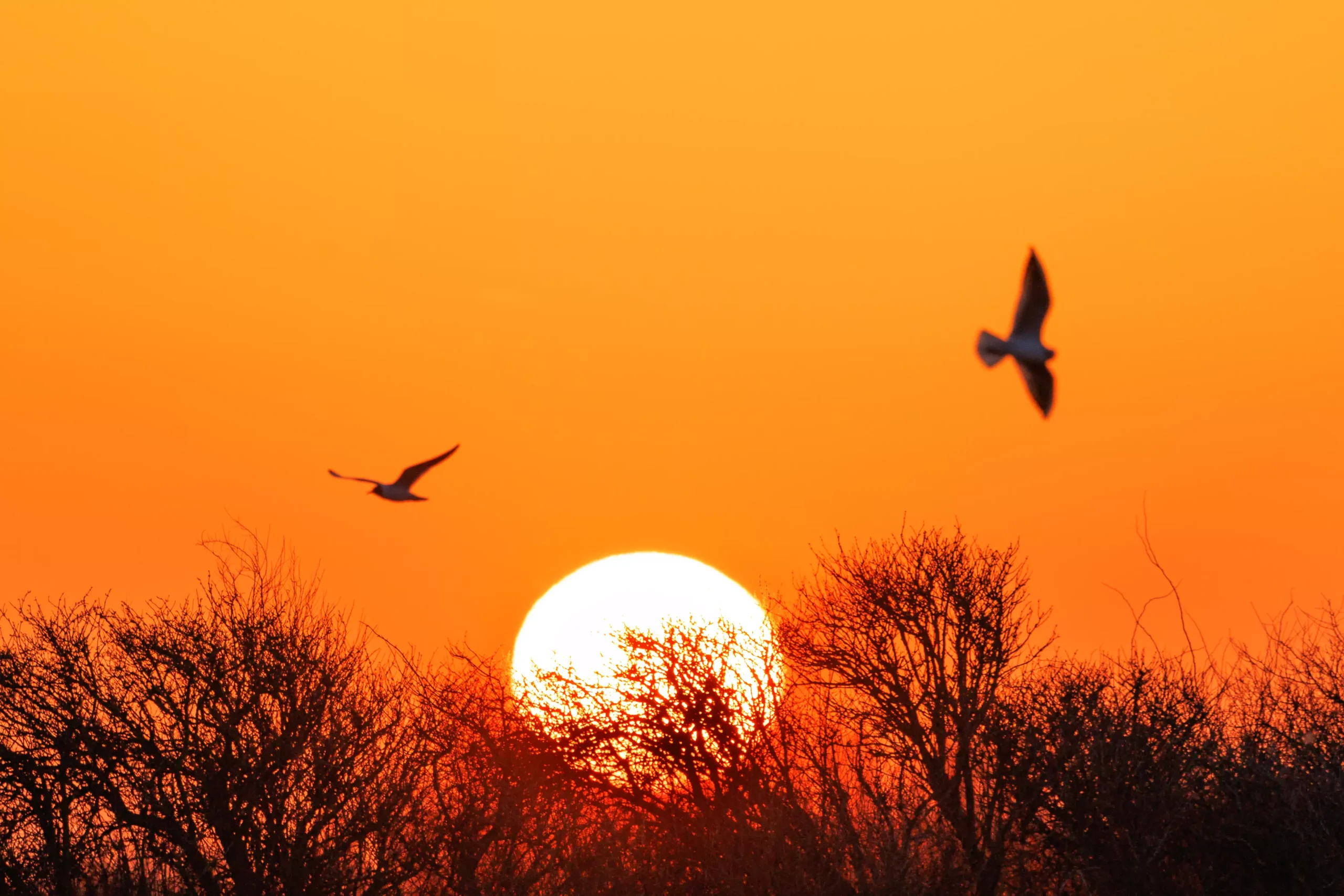
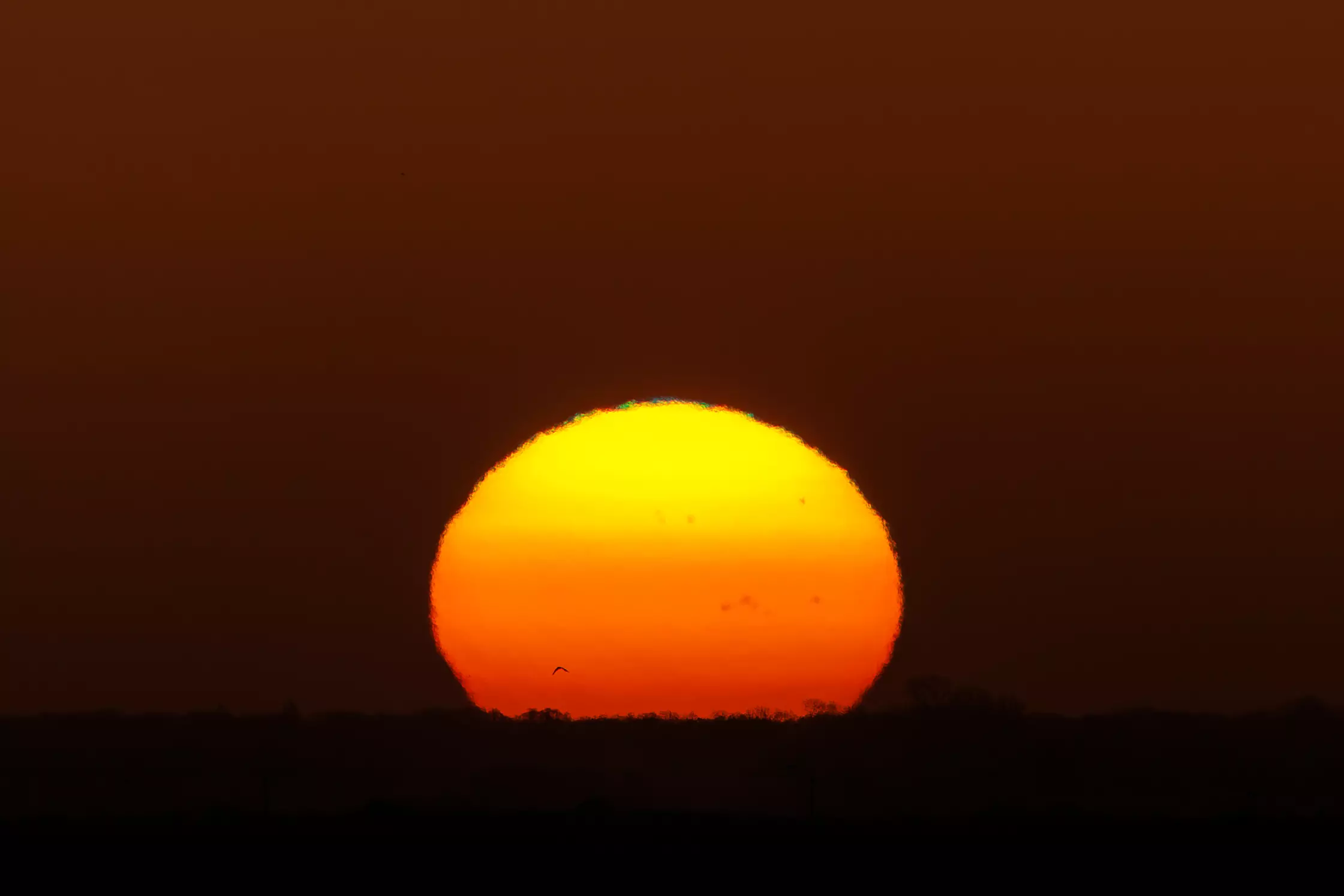
Then there's the sun itself. On a clear winter morning it comes up huge and almost perfectly round over the far treeline, distorted just slightly by the cold air low on the horizon, and for a few minutes you can shoot it almost straight on without it blowing out the frame completely. I don't get that many mornings like it.
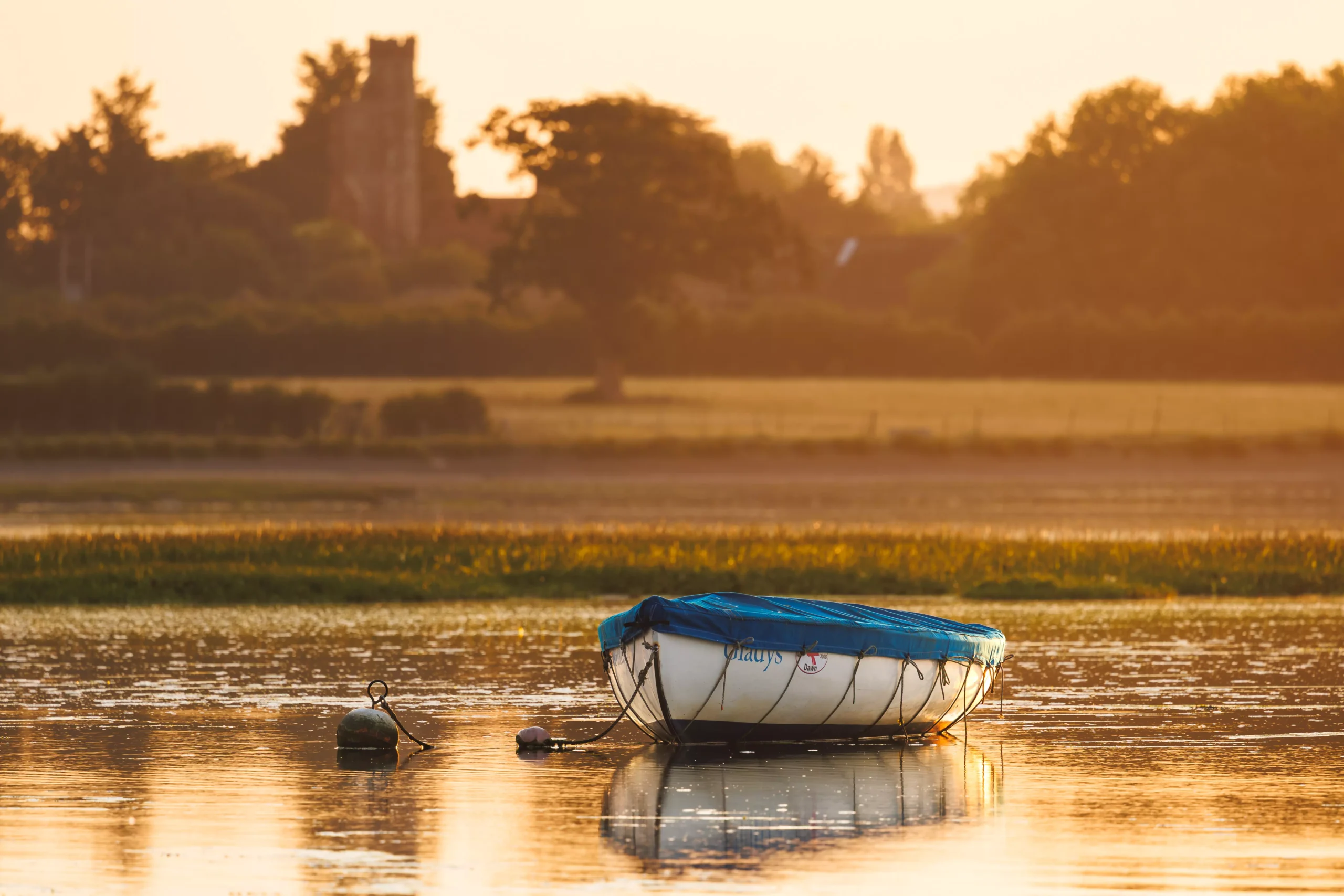
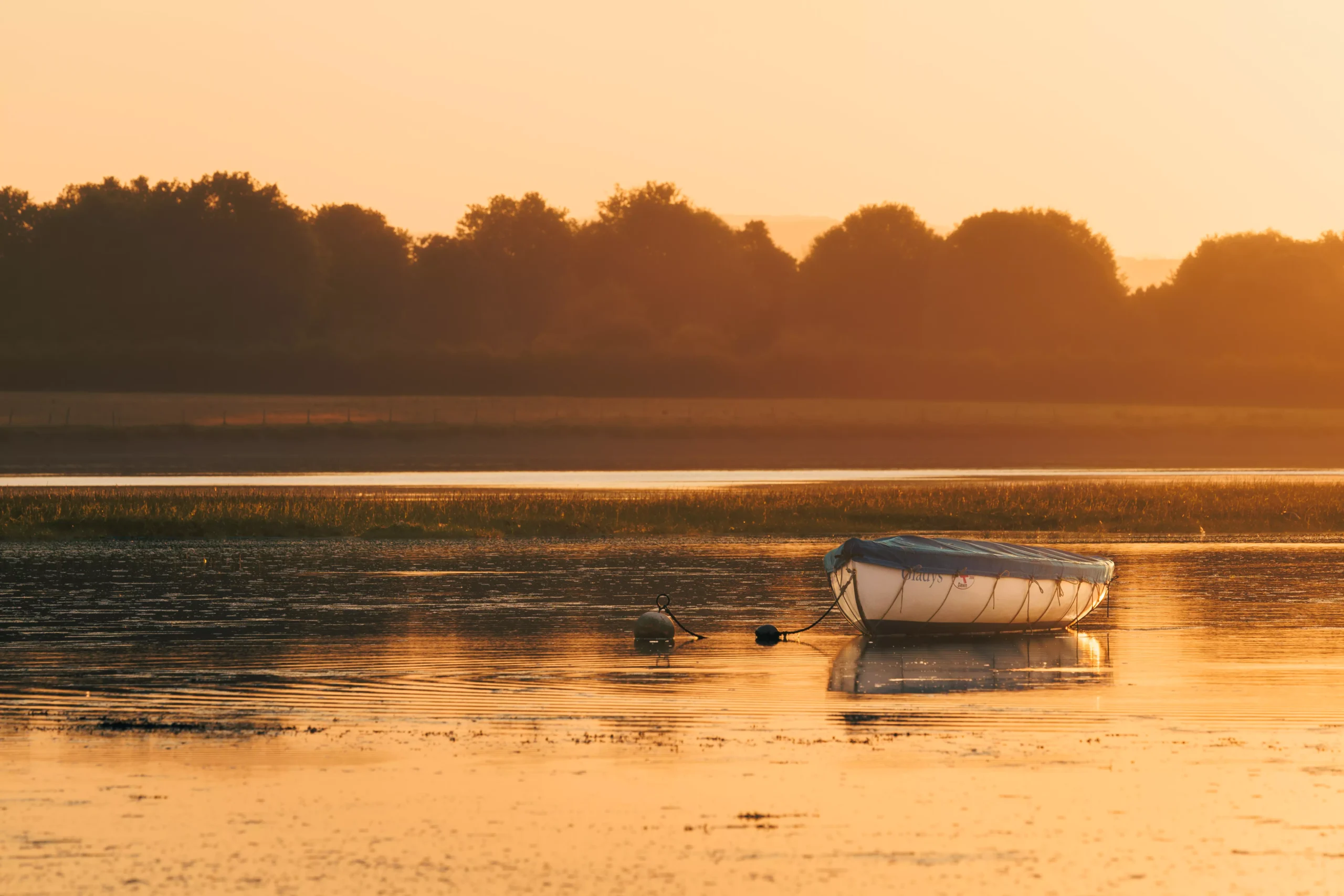
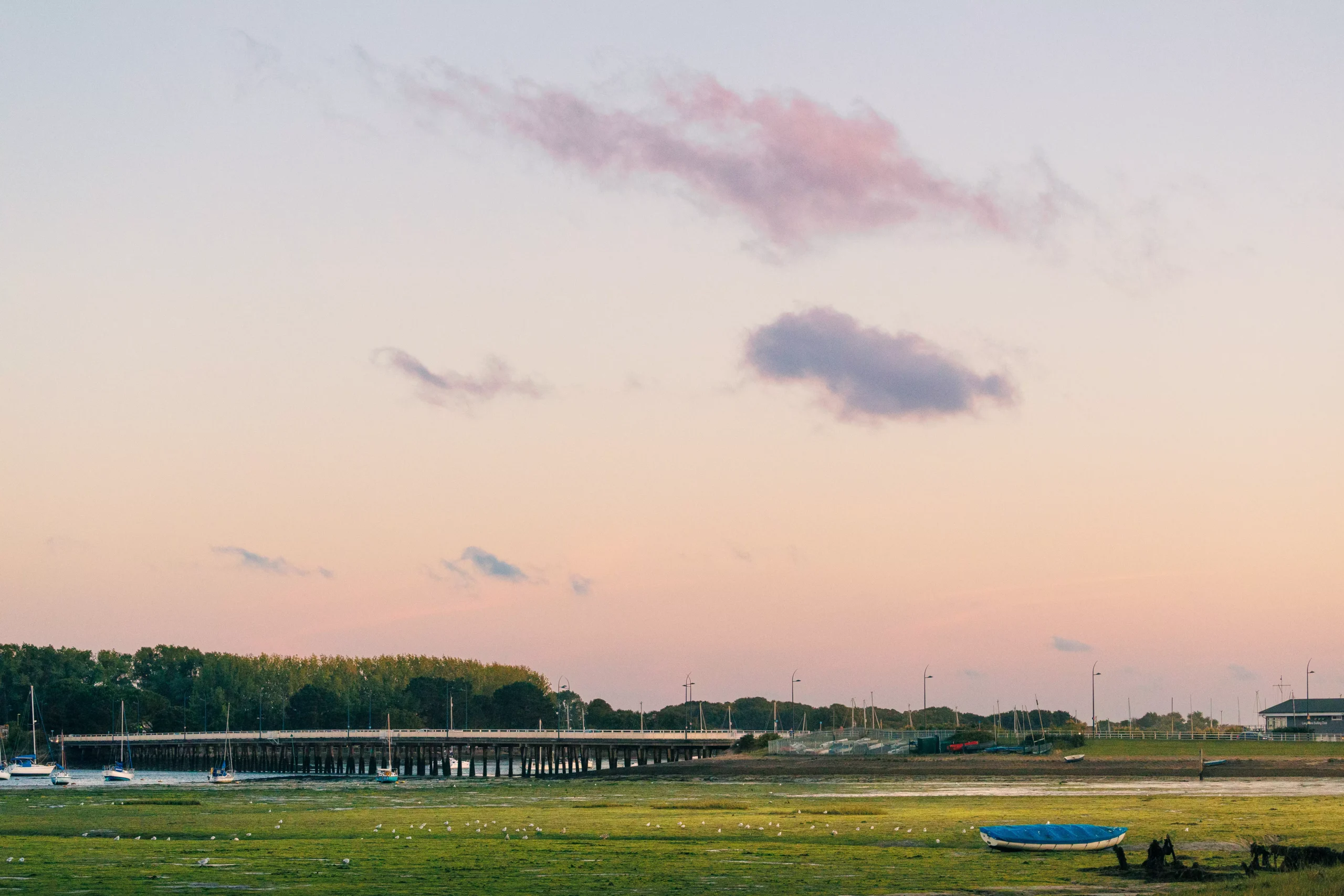
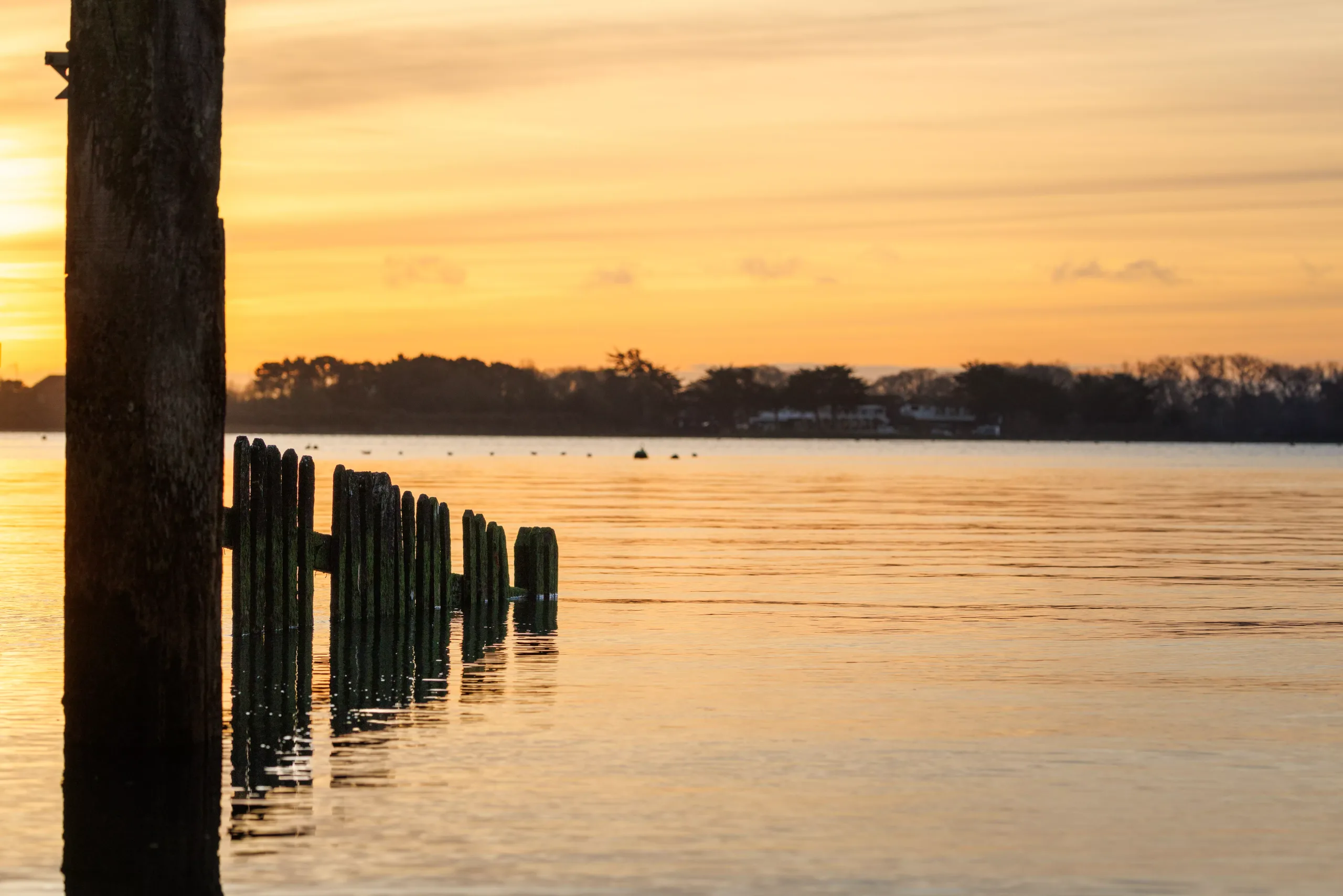
Langstone at low tide is its own kind of landscape. The receding water leaves behind ribbed channels in the mud that catch the low light and lead the eye straight through a frame, and I spend as much time looking down at that as I do looking at the sky. Add in the wooden groynes and old mooring posts standing half-buried in the silt, and there's no shortage of foreground to work with.
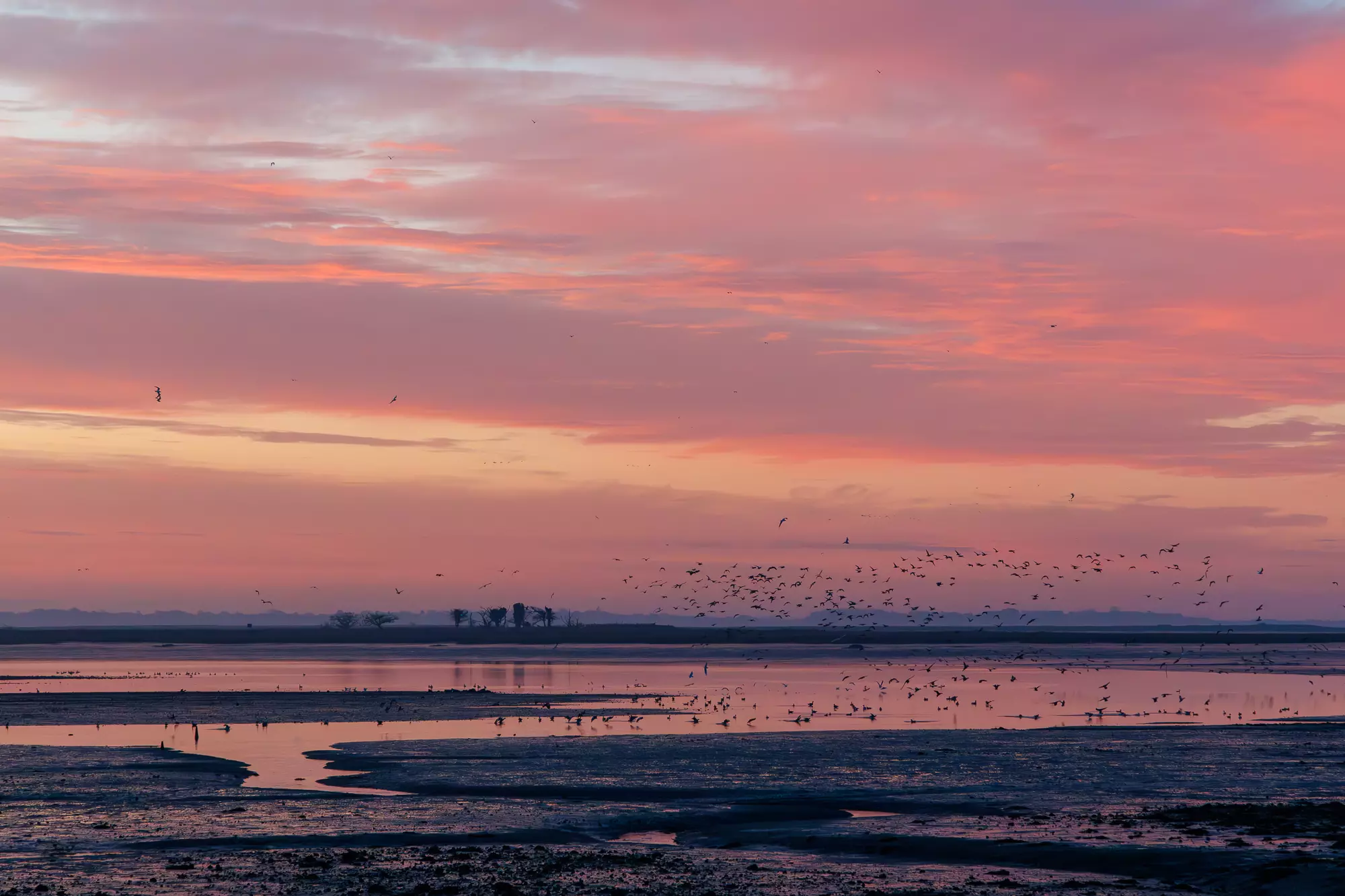
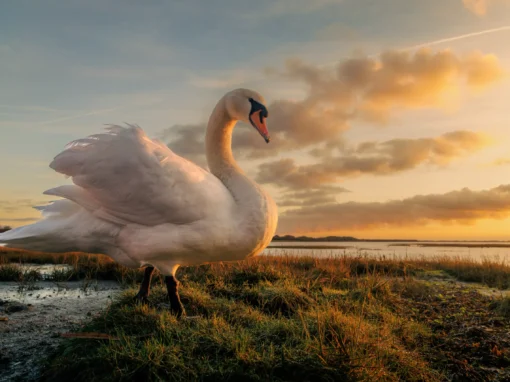
The birdlife makes it, though. Mute swans drifting past in the pink light, oystercatchers picking through the shallows, flocks of small waders lifting off the mudflats all at once for no reason I could ever work out. On a quiet, still morning the harbour is genuinely loud with them.
It's a short walk from the car, which makes it an easy place to keep coming back to, and different enough each visit, depending on tide, cloud and how cold I was prepared to get, that I don't think I've taken the same photograph twice.