Longshan Temple Photography, Wanhua, Taipei
Longshan Temple in Taipei's Wanhua district stopped me in my tracks the moment I walked through the gate. I had read about it before we visited, seen the photographs online, and still nothing quite prepared me for the reality of standing in that courtyard for the first time. The noise, the incense smoke catching the morning light, the sheer density of colour and carving packed into every surface. It is a working temple, not a museum piece.
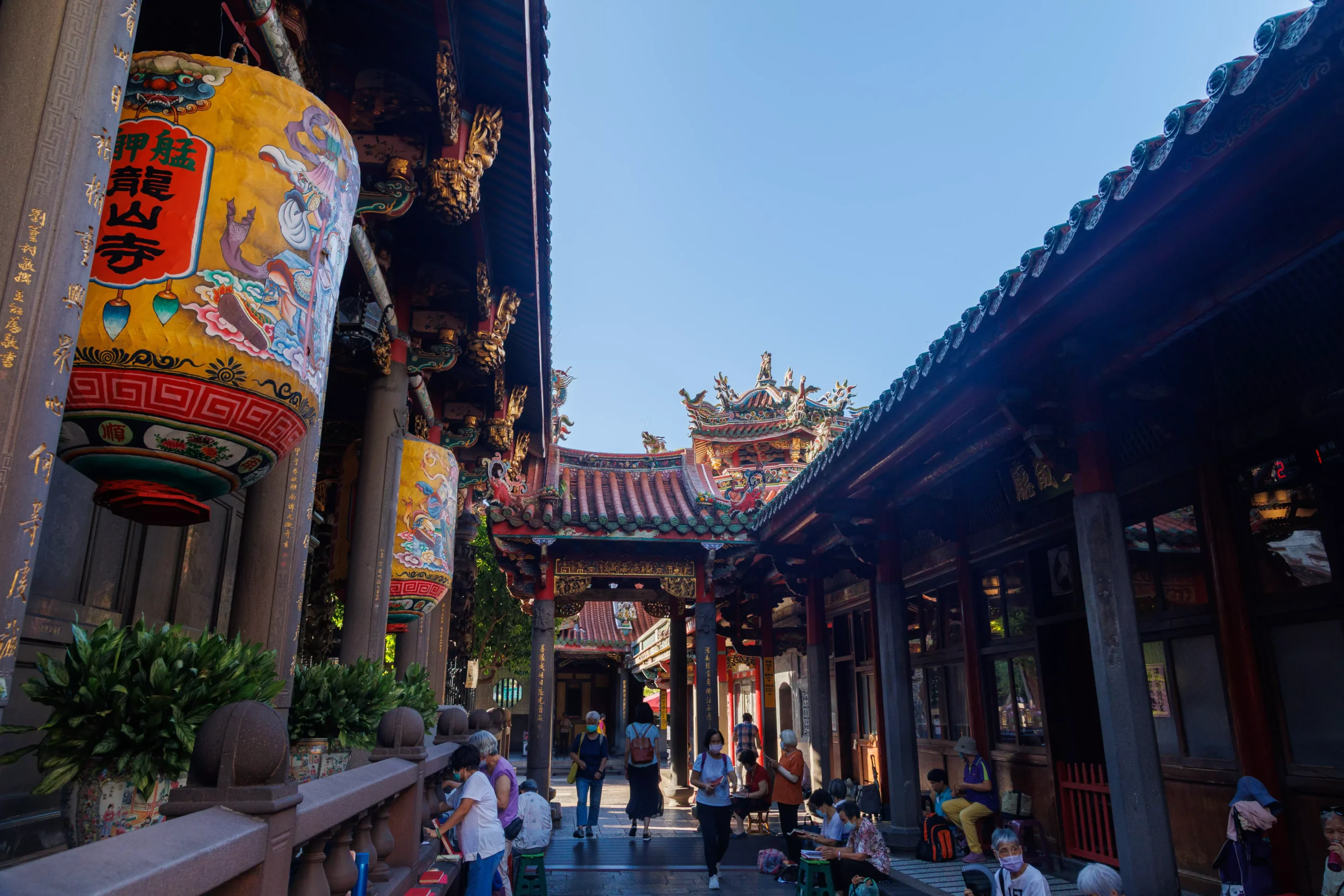
We arrived early, before the heat of the day had settled in. The light was still soft and directional, and the worshippers were already there, moving calmly between the shrines with offerings of orchids and fruit. That combination of ancient architecture and quiet, living faith is what I kept trying to capture throughout the morning.
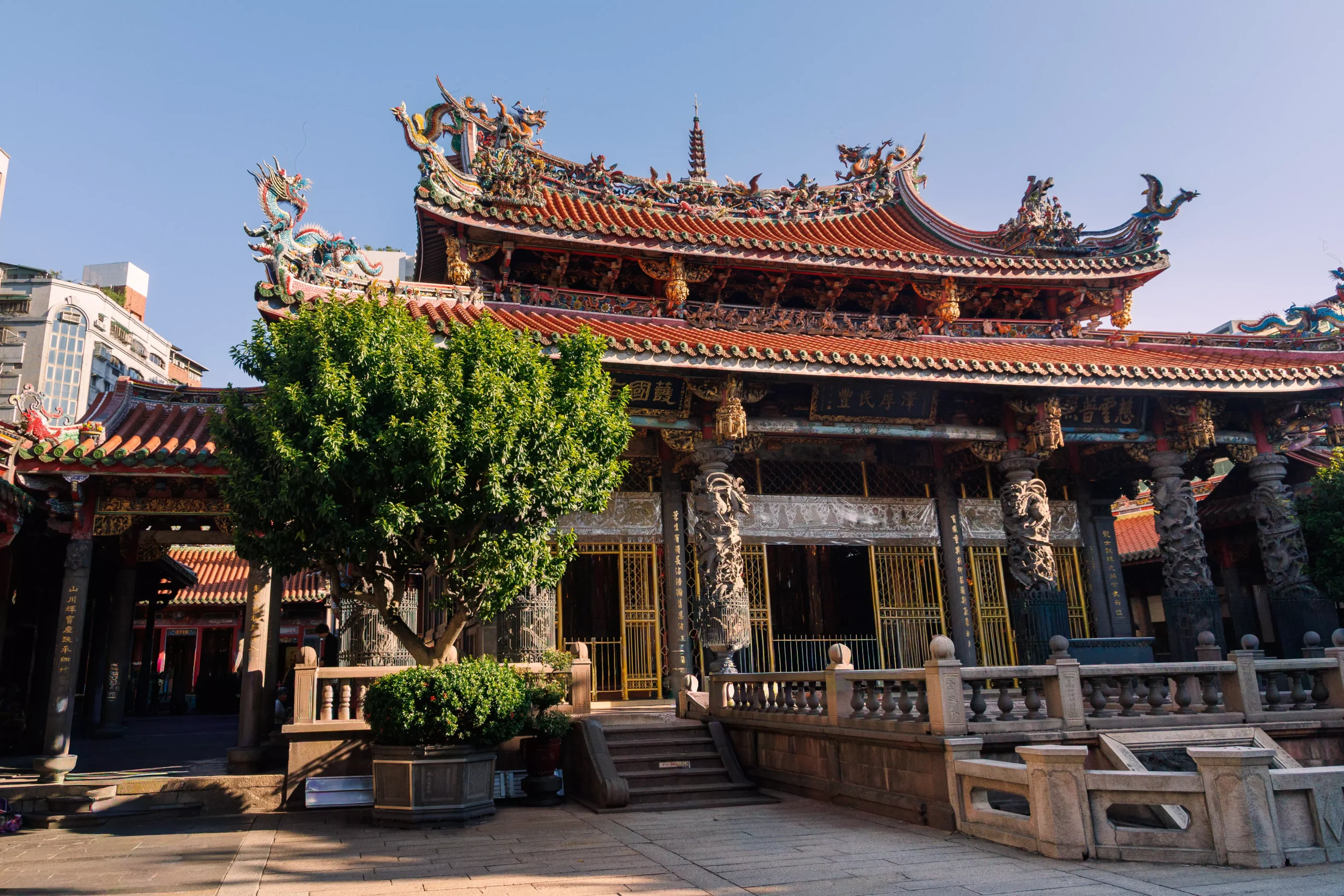
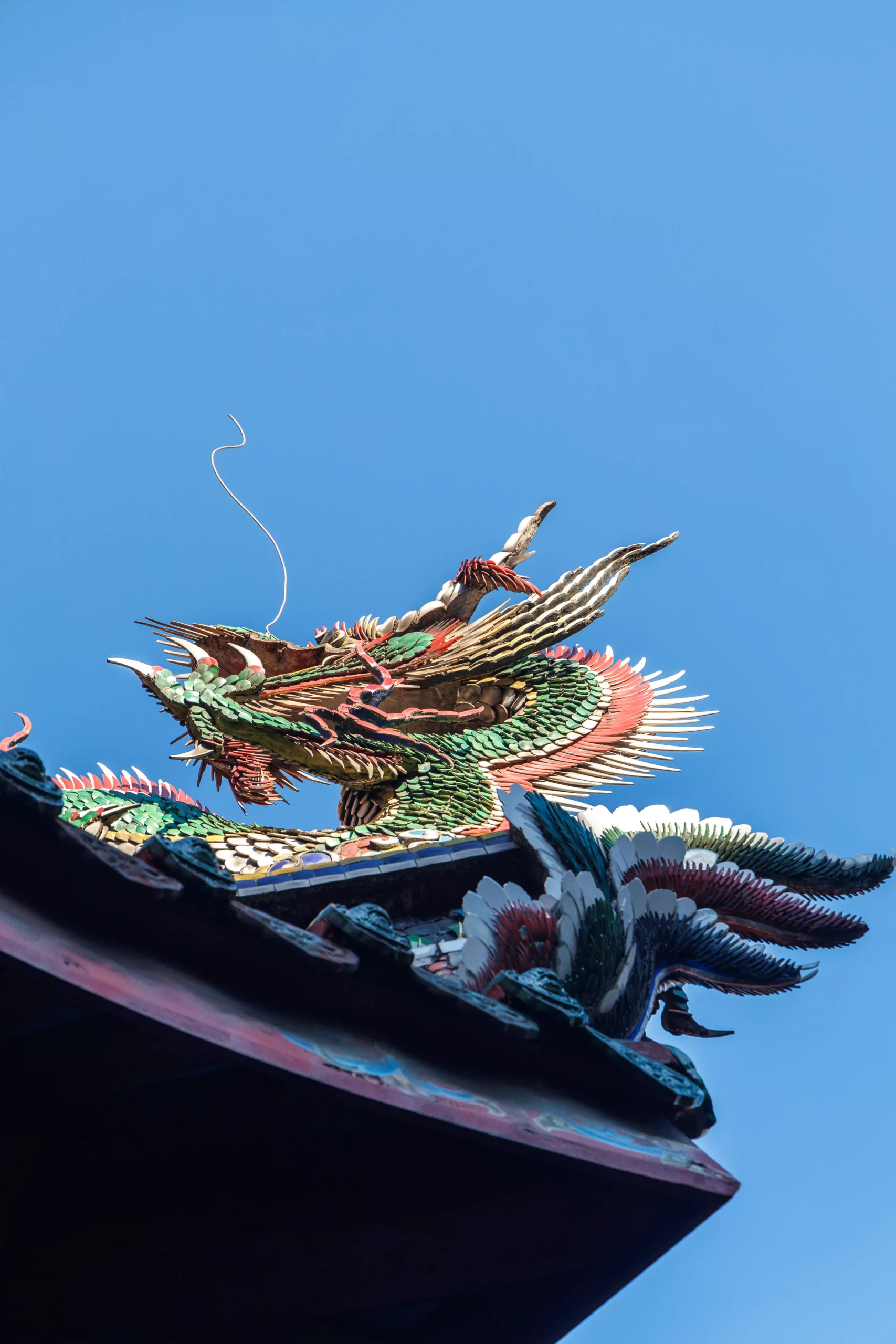
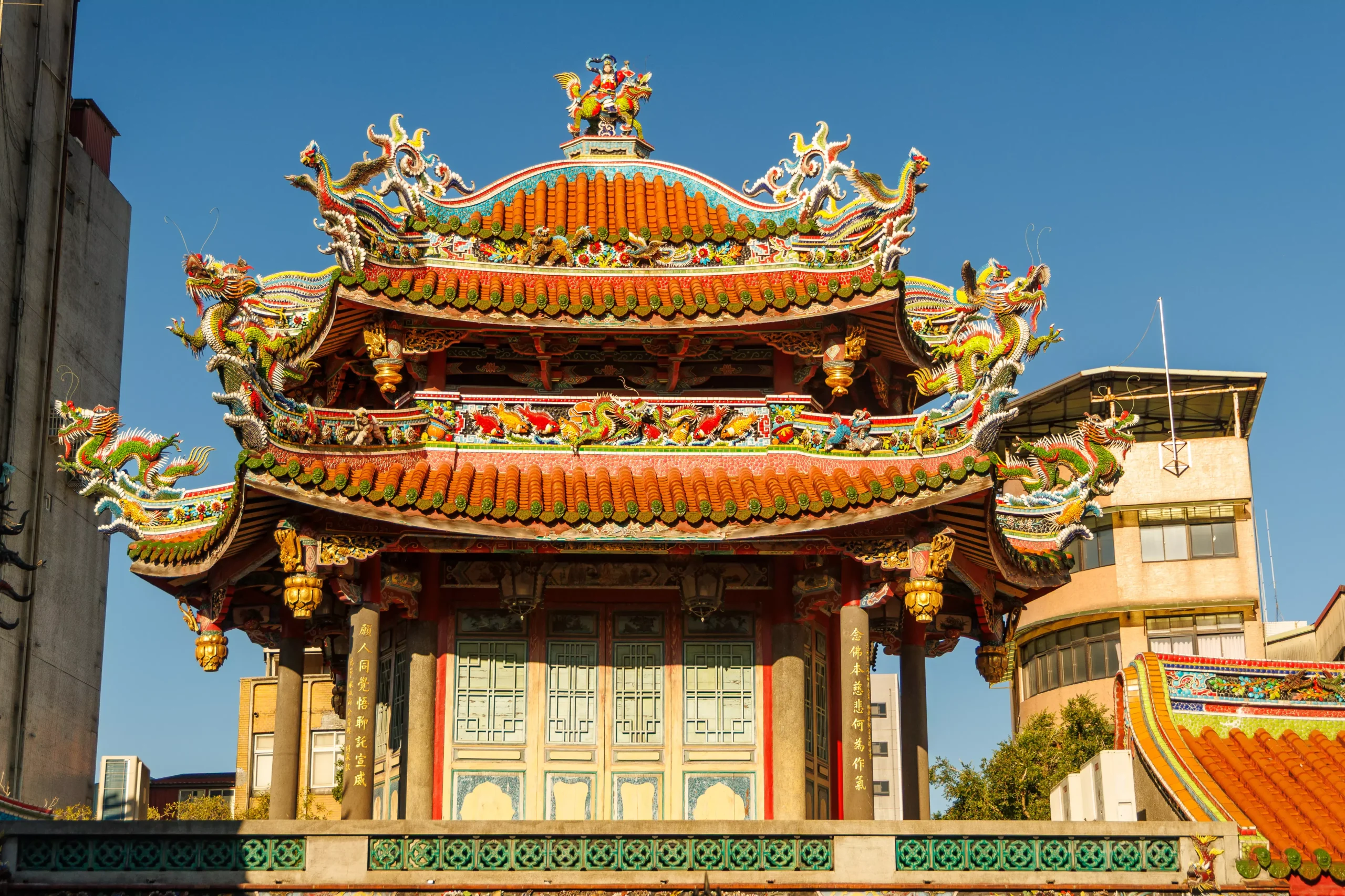
The building itself is extraordinary. The main hall sits behind a courtyard framed by dragon-wrapped stone columns, each one carved with characters and mythological figures that spiral from base to capital. The roof is the kind of thing you could photograph for an entire day and still not exhaust. Every ridge is populated with figures, every corner curves upward in that distinctive southern Fujian style. The colour palette is intense but not garish. Deep reds, golds that have been darkened by decades of incense smoke, greens that sit somewhere between jade and verdigris.
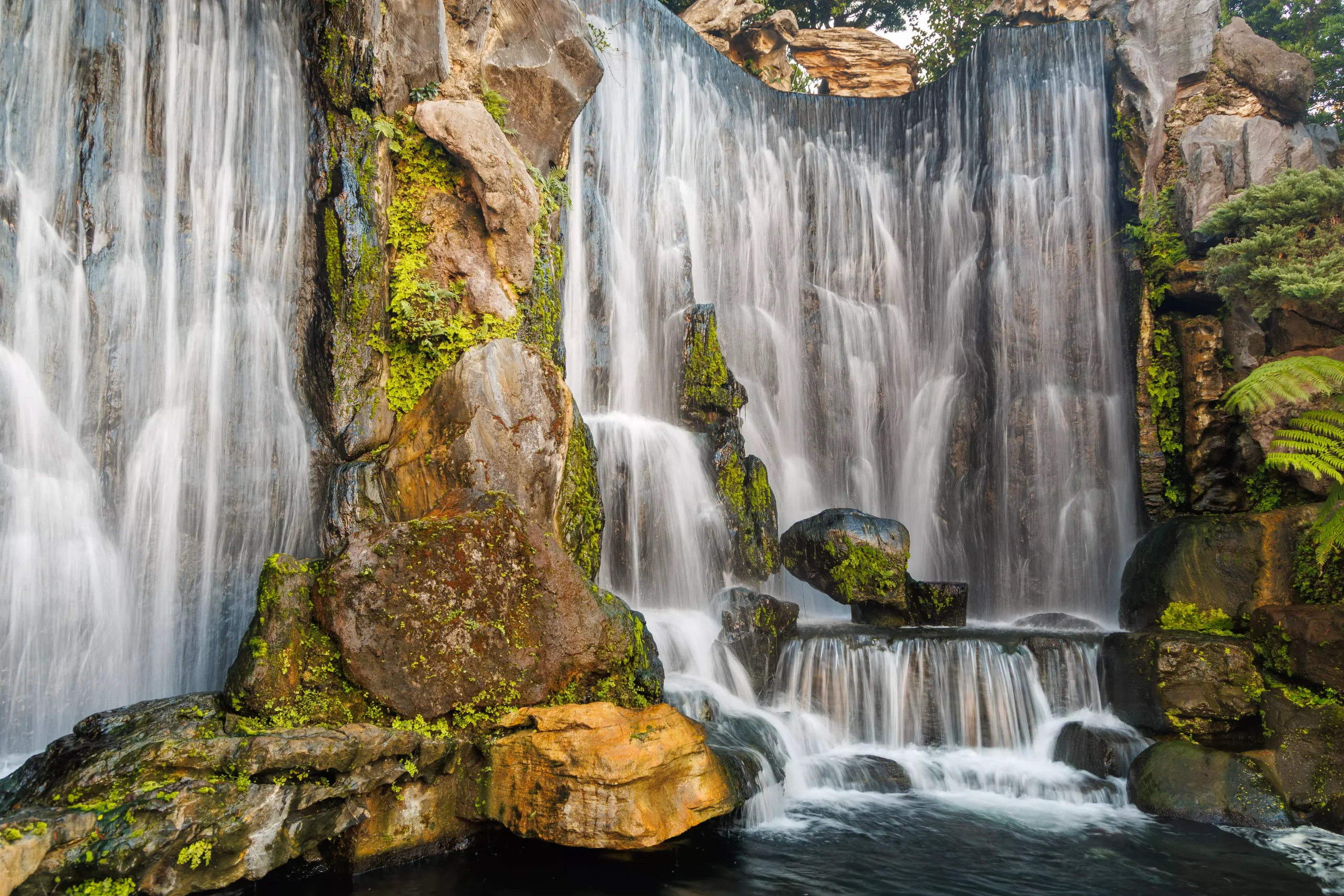
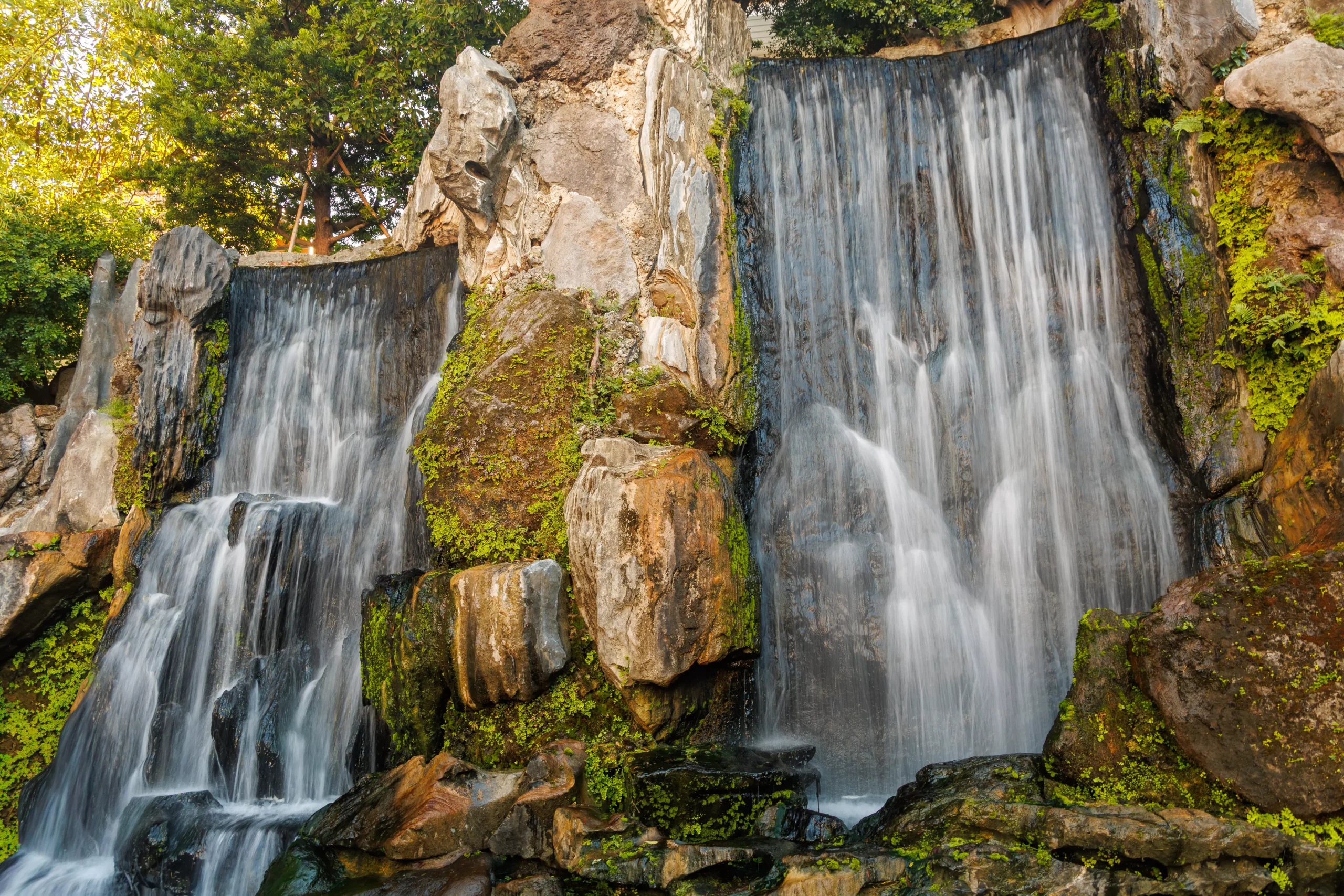
What surprised me most was the waterfall garden tucked to one side of the complex. I had not expected it at all. Two separate falls tumble over mossy boulders into a small pool, and I set up a long exposure to smooth out the water. The result was one of my favourite shots of the entire Taiwan trip. There is something incongruous about finding that kind of quiet natural detail inside a busy urban temple.
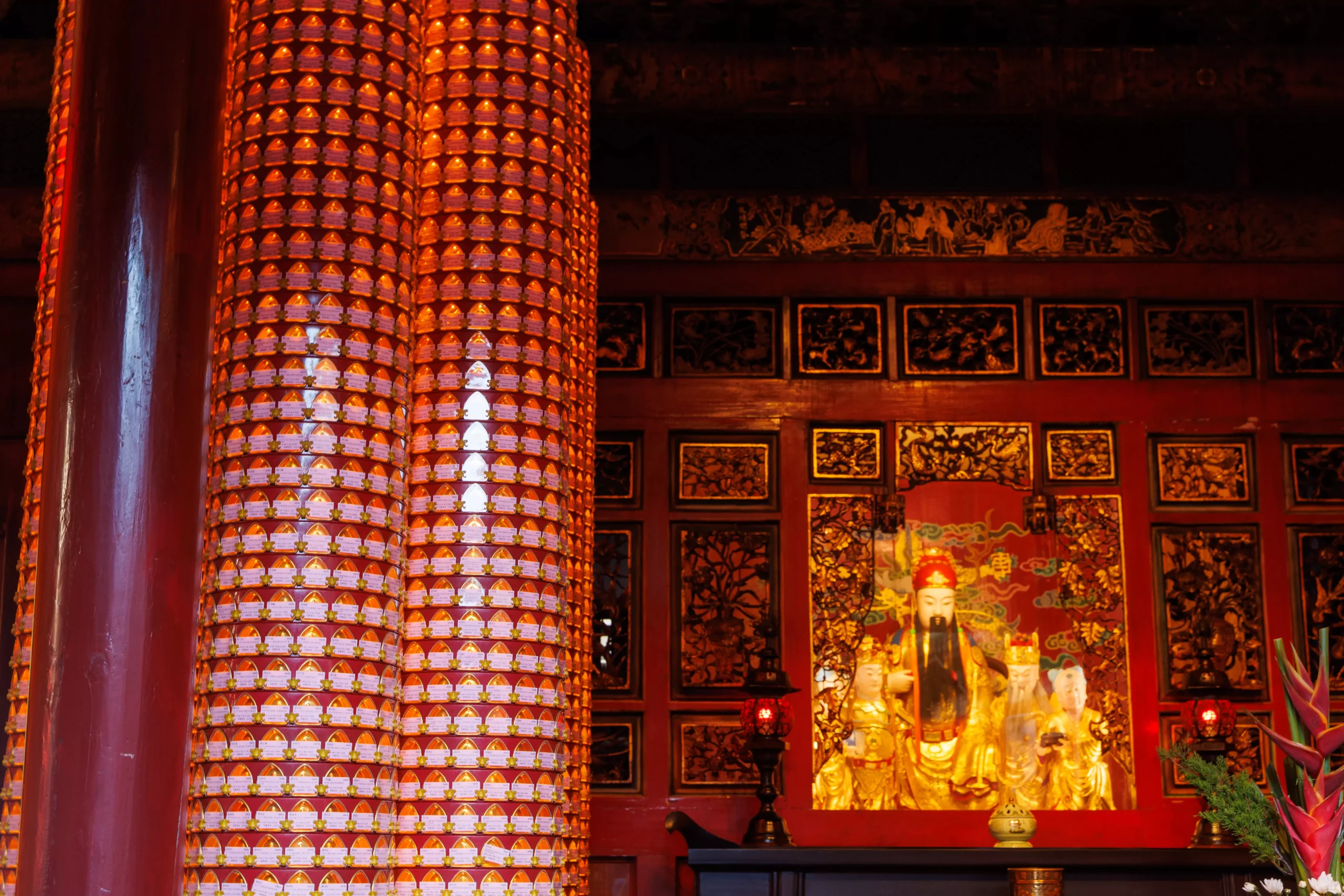
The interior shots were technically challenging. The light levels drop dramatically once you move inside the halls, and the shrines themselves glow with their own warm, amber light. The prayer tablet column I photographed had hundreds of small identical tablets stacked in rows, each one lit from within, creating a texture that looked almost like brickwork made of fire. Behind it, the golden deity figure in the shrine was perfectly lit against the dark carved panels. It took a few attempts to get the balance right without losing the atmosphere.
If you visit Longshan for photography, go early. By mid-morning the crowds are significant and the light on the main facade becomes harsh. The hour after opening, when the worshippers outnumber the tourists and the incense smoke is still rising quietly through the courtyard, is when the temple is at its most photogenic and its most genuine.
Longshan Temple is at its best when you slow down and let it come to you. Walk the perimeter. Look up at the roofline details. Watch how the morning light moves across the dragon columns as the angle changes through the hour.