MyPhotographyButters

landscape & Travel Photography

Ornate facade of Longshan Temple Taipei with colourful dragons and tiled rooftop against blue sky

Skomer Puffin photography

The Island Sanctuary: Capturing the Spirit of the Pembrokeshire Coast

The pursuit of evocative Skomer puffin photography requires an absolute willingness to submit to the raw, unpredictable elements of the Welsh coast. To step off the boat onto the slippery landing steps of this offshore nature reserve is to enter an ancient sanctuary where the boundaries between the human observer and the wild natural world dissolve completely. The island landscape is one of intense, rugged drama, defined by sheer volcanic cliffs, sweeping carpets of coastal wildflowers, and the relentless, churning energy of the Atlantic Ocean. For the dedicated photographer, this island represents a masterclass in light, patience, and wildlife behaviour, offering an intimate window into the lives of Britain's most cherished seabirds.

As the morning mist slowly burns off the high plateau, the true scale of the avian community reveals itself. The air is alive with the rhythmic whirring of thousands of wings, the deep, guttural growling of nesting pairs beneath the sodden turf, and the sharp scent of sea salt blended with decades of rich guano. Photographing this environment demands far more than technical proficiency; it requires a slow, respectful approach that allows the birds to dictate the terms of the engagement. The early daylight on the island carries a unique, luminous quality, softened by the moisture rising from the surrounding sea, creating a painterly atmosphere that perfectly complements the monochrome plumage and vivid coral bills of the target subjects.

Every day on the island offers an entirely distinct set of creative challenges, dictated by the ever-shifting weather fronts moving across St Brides Bay. On bright, clear mornings, the sun turns the ocean surface into a shimmering, brilliant blue canvas, throwing the sharp lines of the coastal ridges into high relief. On overcast days, the diffused sky acts as a colossal softbox, eliminating harsh shadows and allowing the intricate textures of feather, stone, and flora to be recorded with exquisite fidelity. It is this constant interplay of light and wild behaviour that makes the cliffs an enduring pilgrimage site for those committed to capturing authentic moments in the natural world.

The Geography of the Nesting Slopes

Masterful Composition in Skomer Puffin Photography

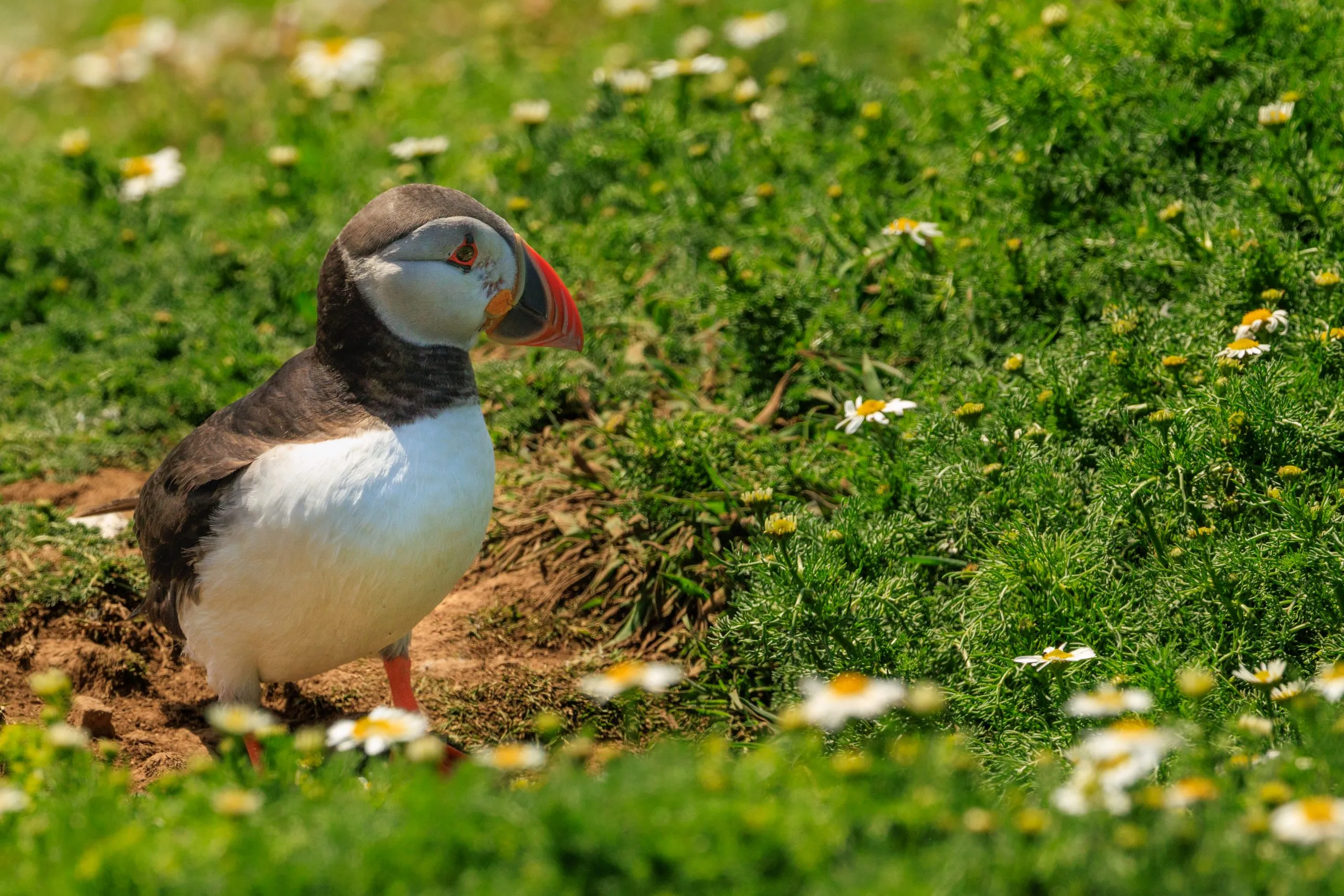
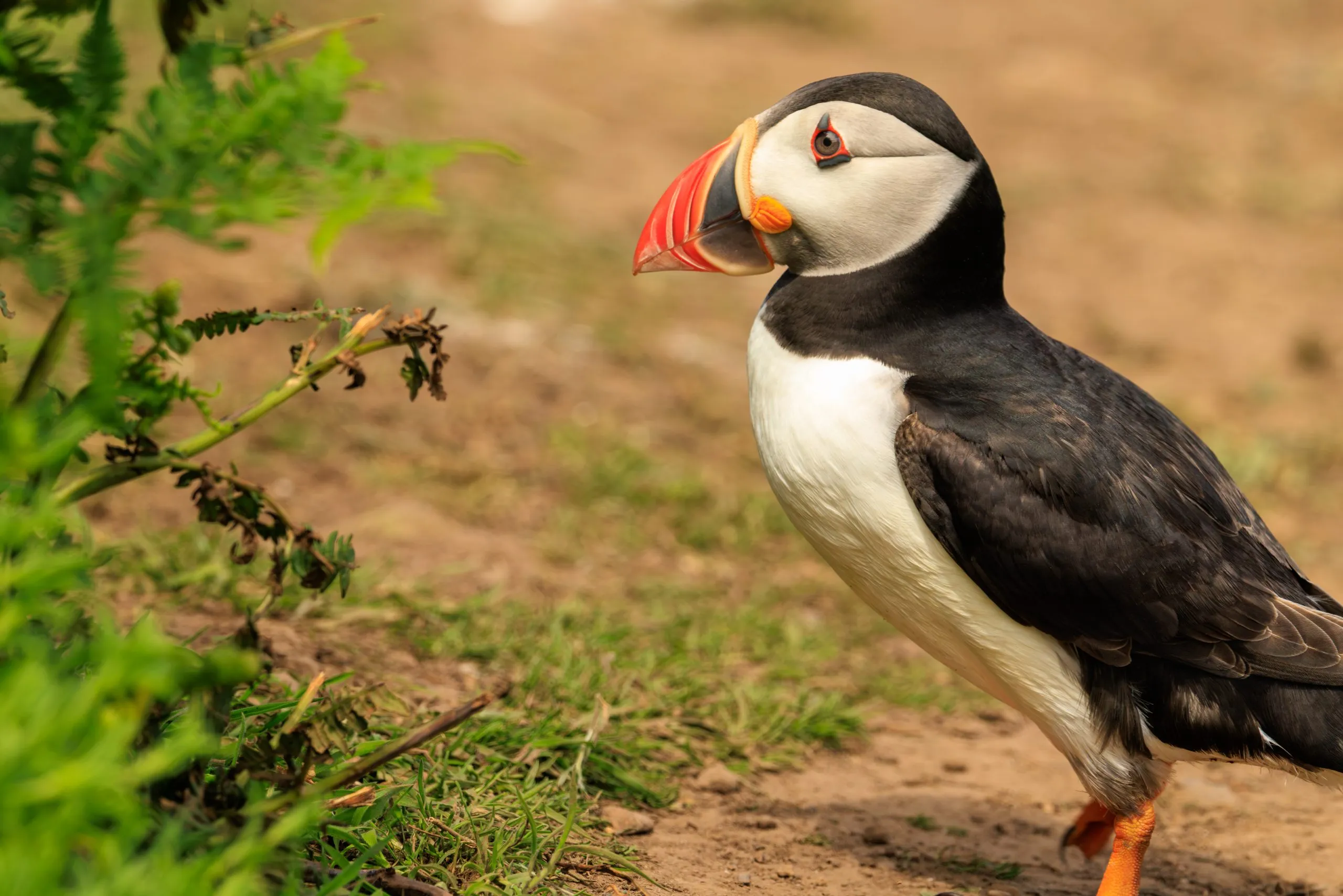
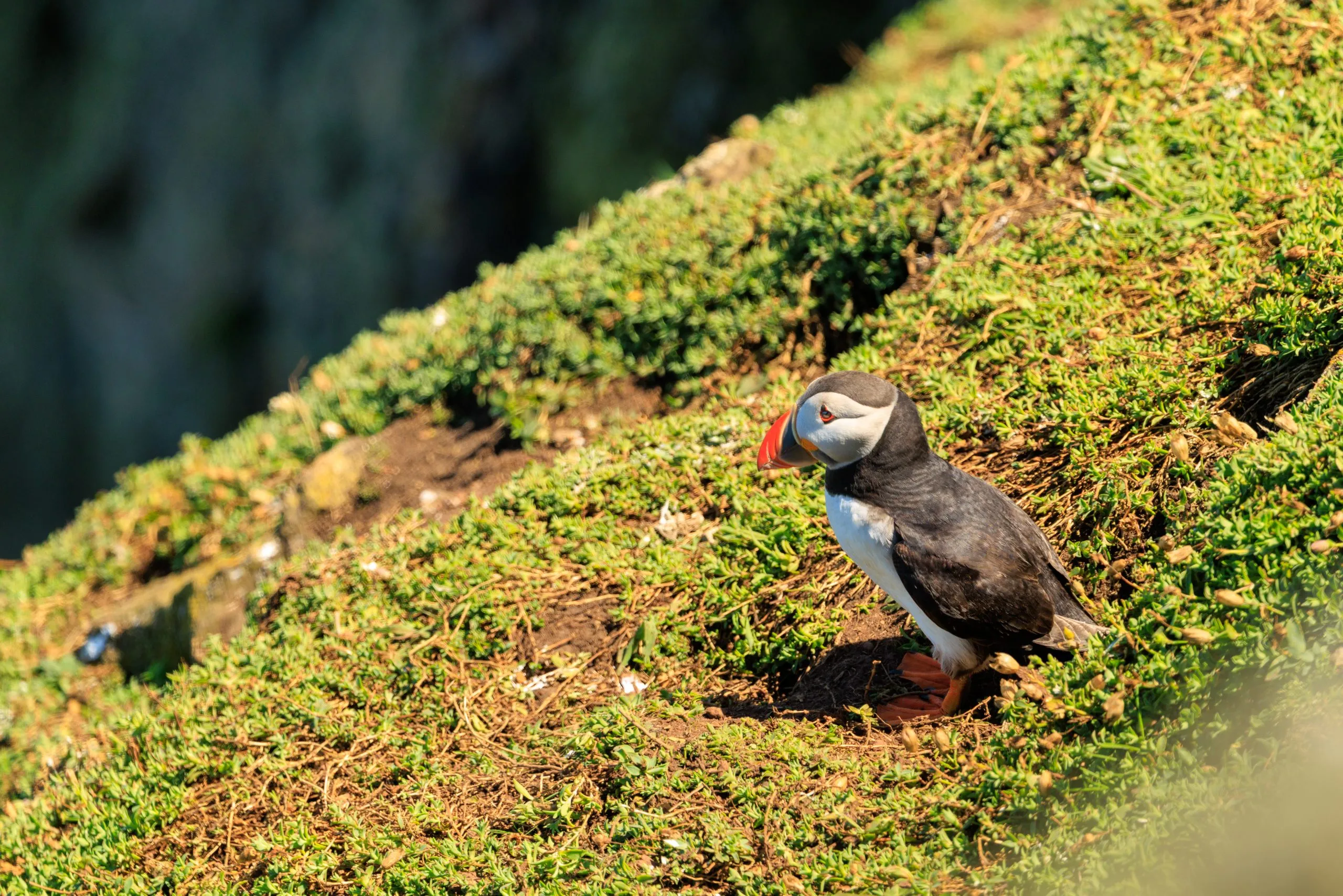
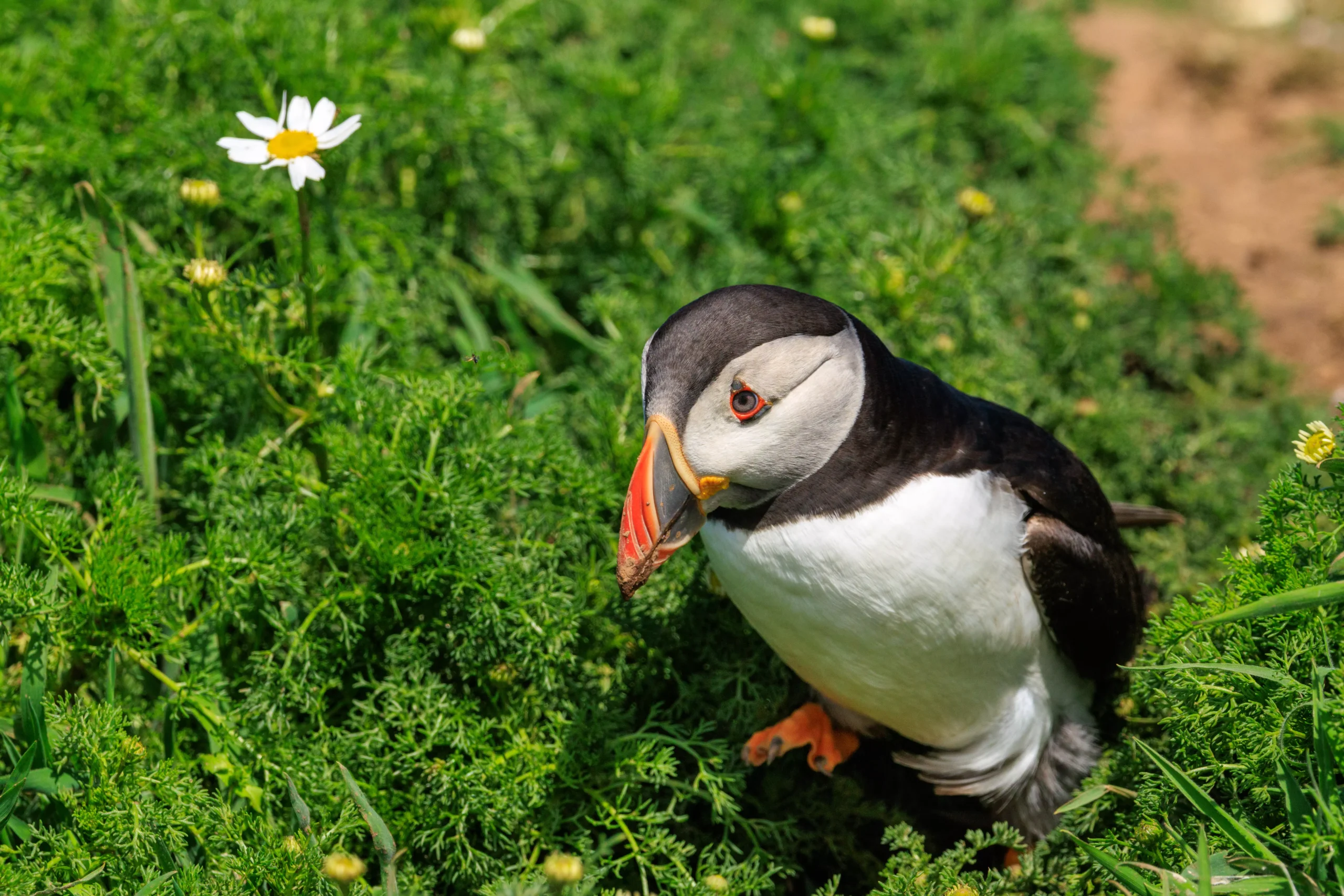
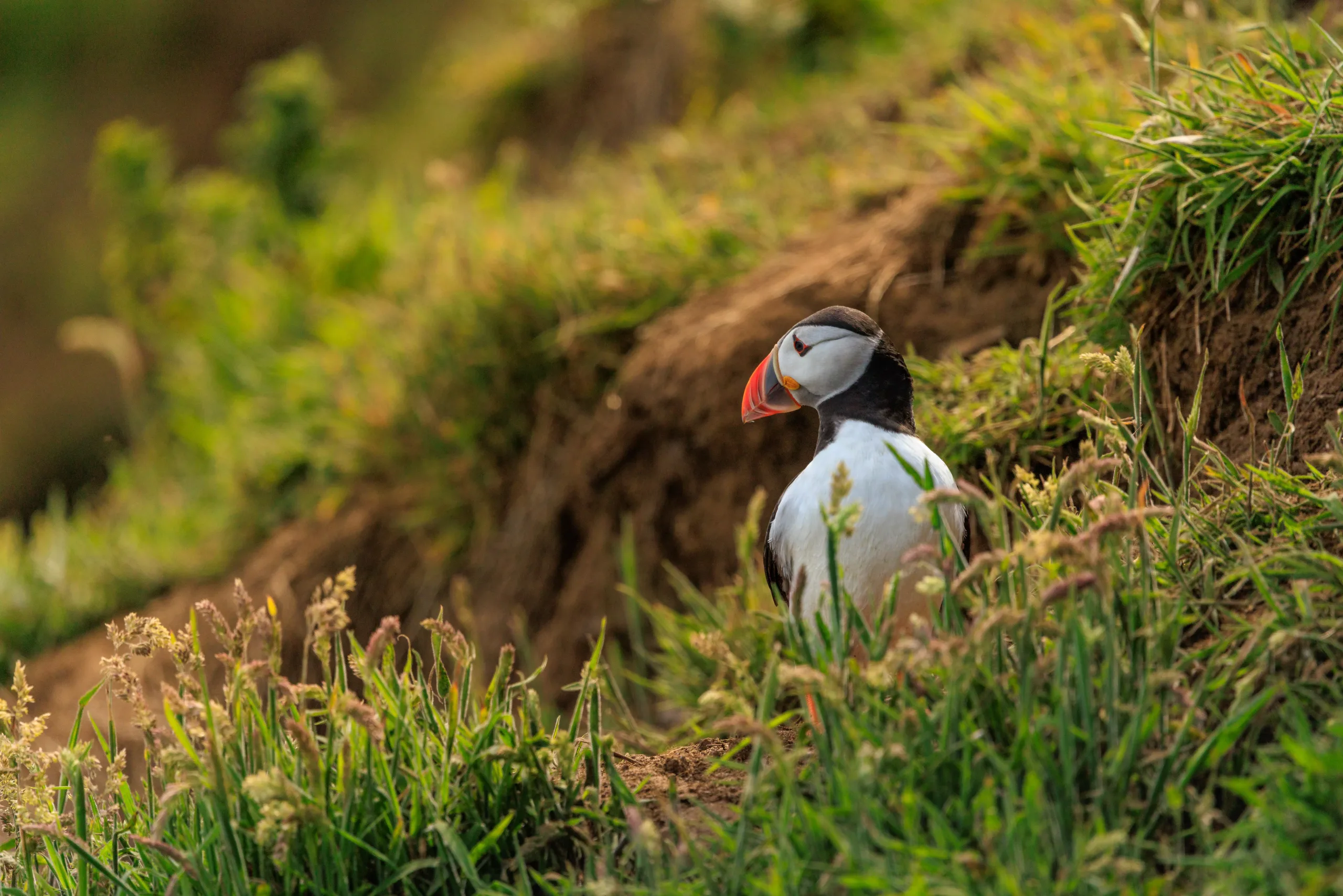
Understanding the unique topography of this Pembrokeshire sanctuary is essential for anyone seeking to create a cohesive narrative within their portfolio. The island rises steeply from the ocean, bounded by dramatic inlets like North Haven and the sweeping, exposed ledges of the Wick. This specific geography creates a wealth of varied photographic vantage points, each presenting a distinct background and lighting opportunity. The northern slopes, adorned with clusters of white sea mayweed and delicate pink thrift, provide a soft, colourful setting that highlights the vibrant orange feet and bills of the birds as they navigate the coastal paths.

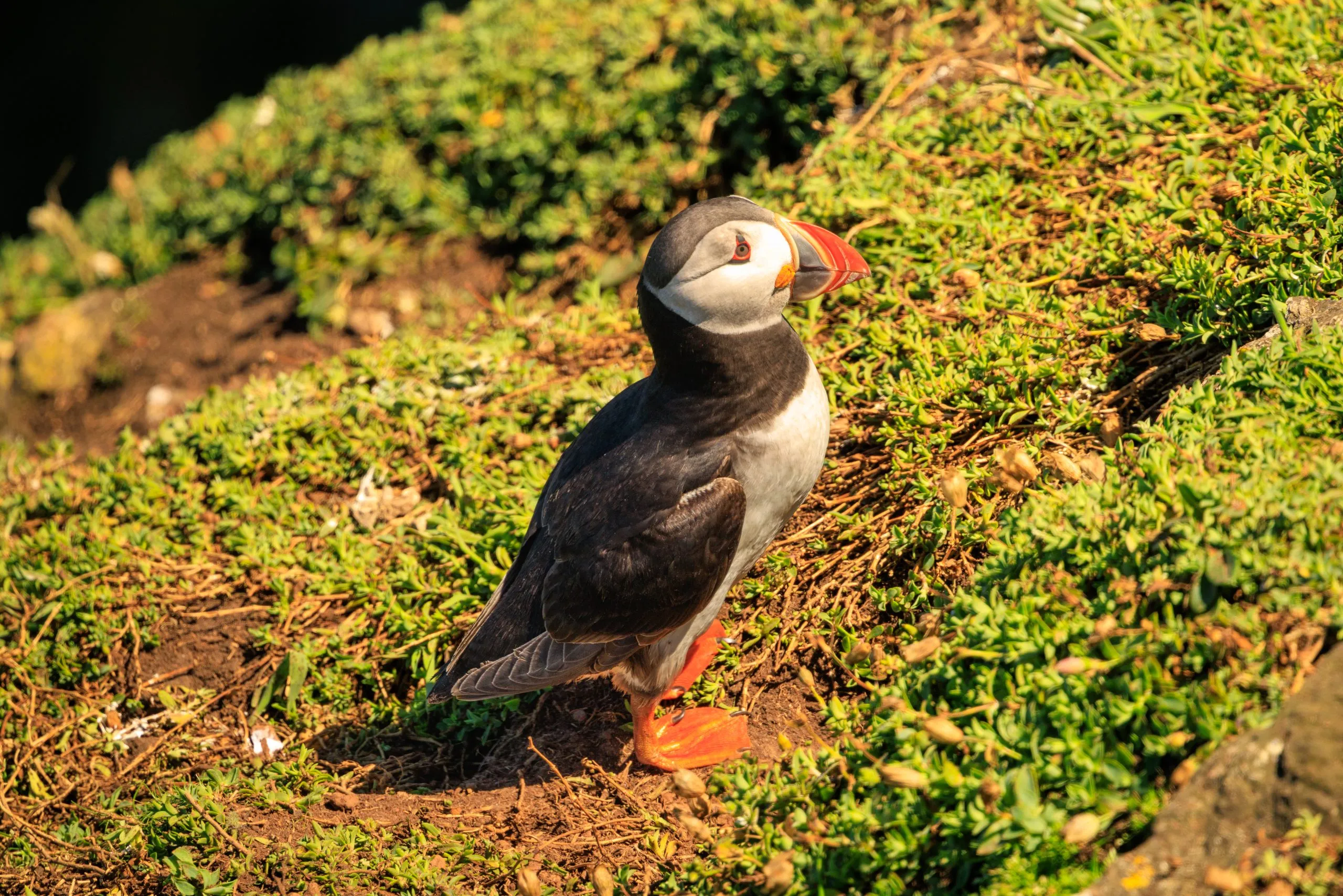
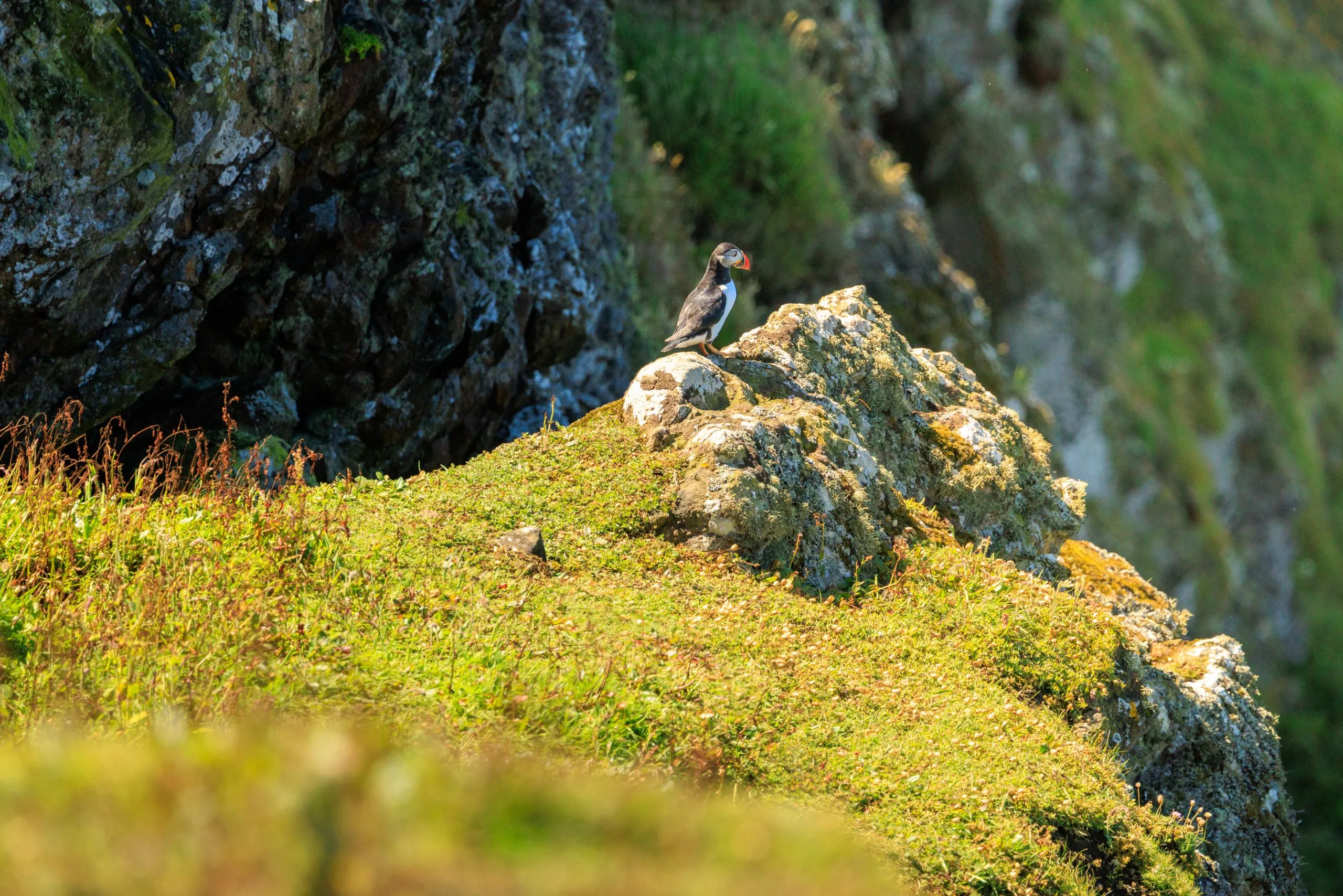
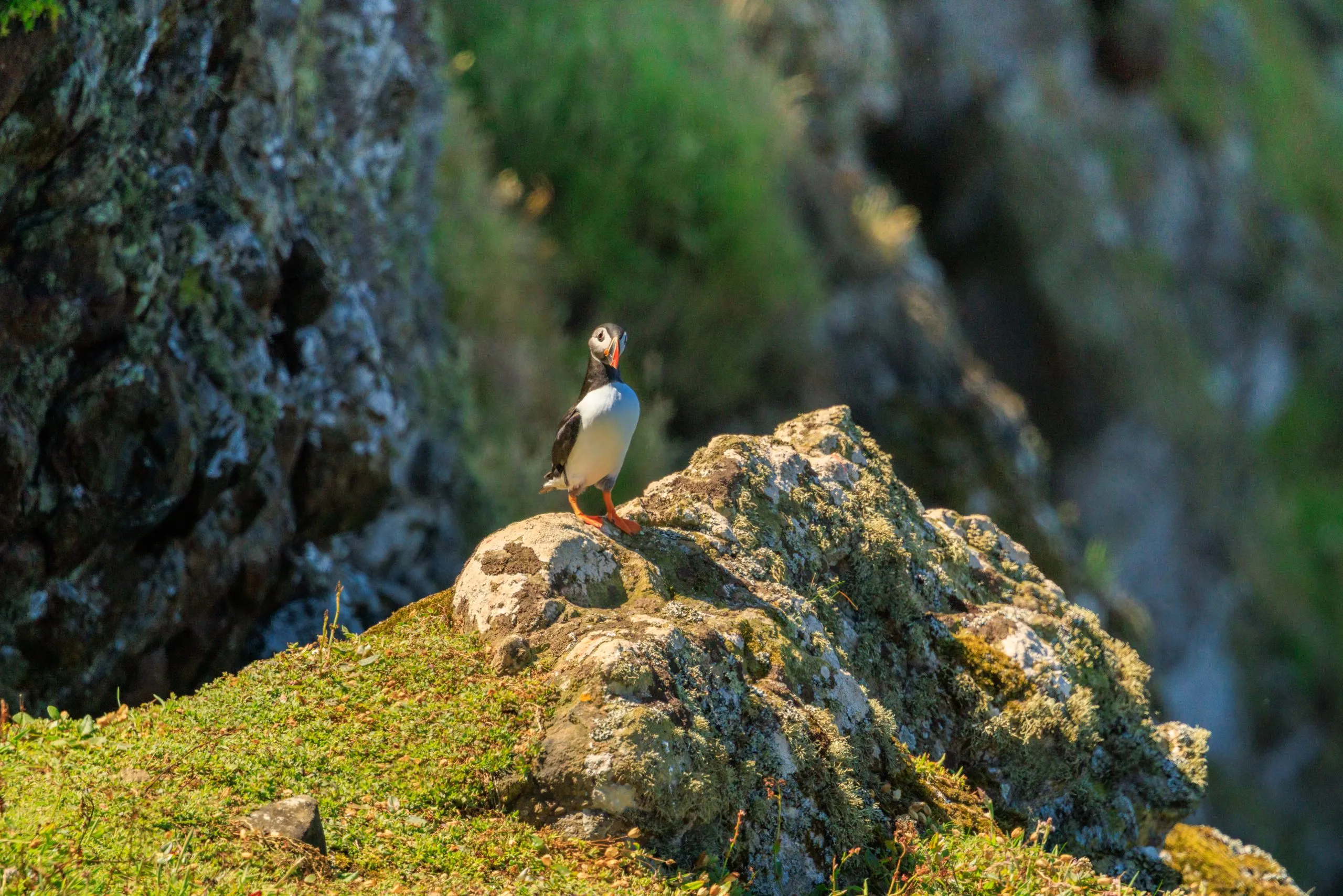
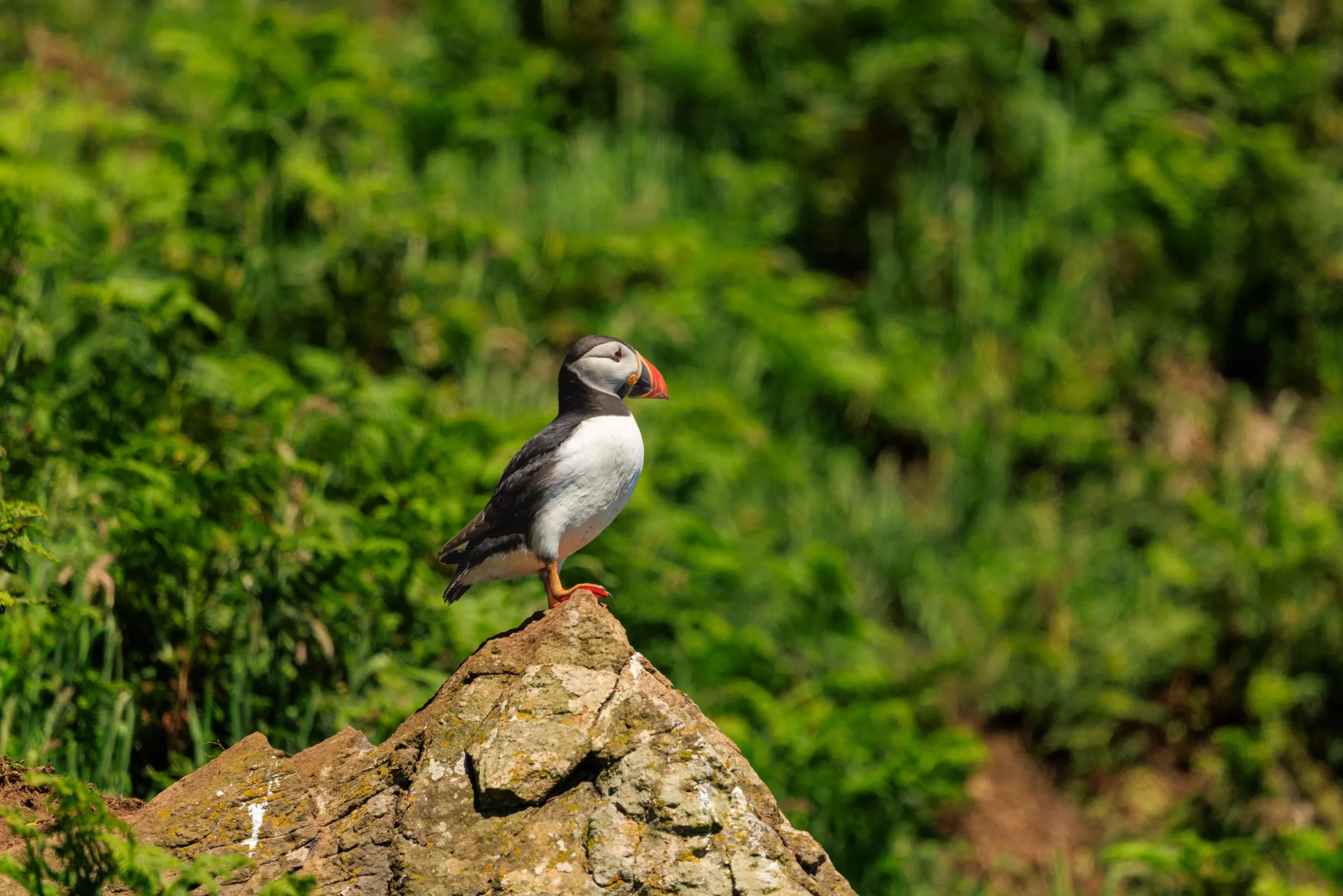
Wandering along the designated walking tracks as the afternoon light matures, one feels a sense of profound immersion in a parallel world. The narrow dirt paths twist and turn alongside dense patches of bracken and ancient stone walls, offering sudden, breathtaking views of individual birds perched right on the edge of the abyss. The weathered surface of lichen-covered boulders, the fragile structure of early summer ferns, and the deep cracks within the volcanic rock all provide compelling environmental contexts. These elements serve as vital anchor points within the photographic frame, grounding the whimsical, charismatic presence of the seabirds within the harsh reality of their maritime habitat.

As the sun begins its long, slow descent toward the western horizon, the speed of the visual transformation increases. The harsh midday whites yield to a warm, golden spectrum that illuminates the cliff edges and catches the translucent edges of primary wing feathers. This is the exact moment when the photographer must work with absolute focus and deliberate calm, constantly adjusting exposures to balance the brilliant highlights of the sea against the deep, velvet shadows of the nesting burrows. The objective is to preserve the intricate structural details of the white breasts while preventing the deep black caps and neck rings from losing definition.
Reflections on Flight and Form

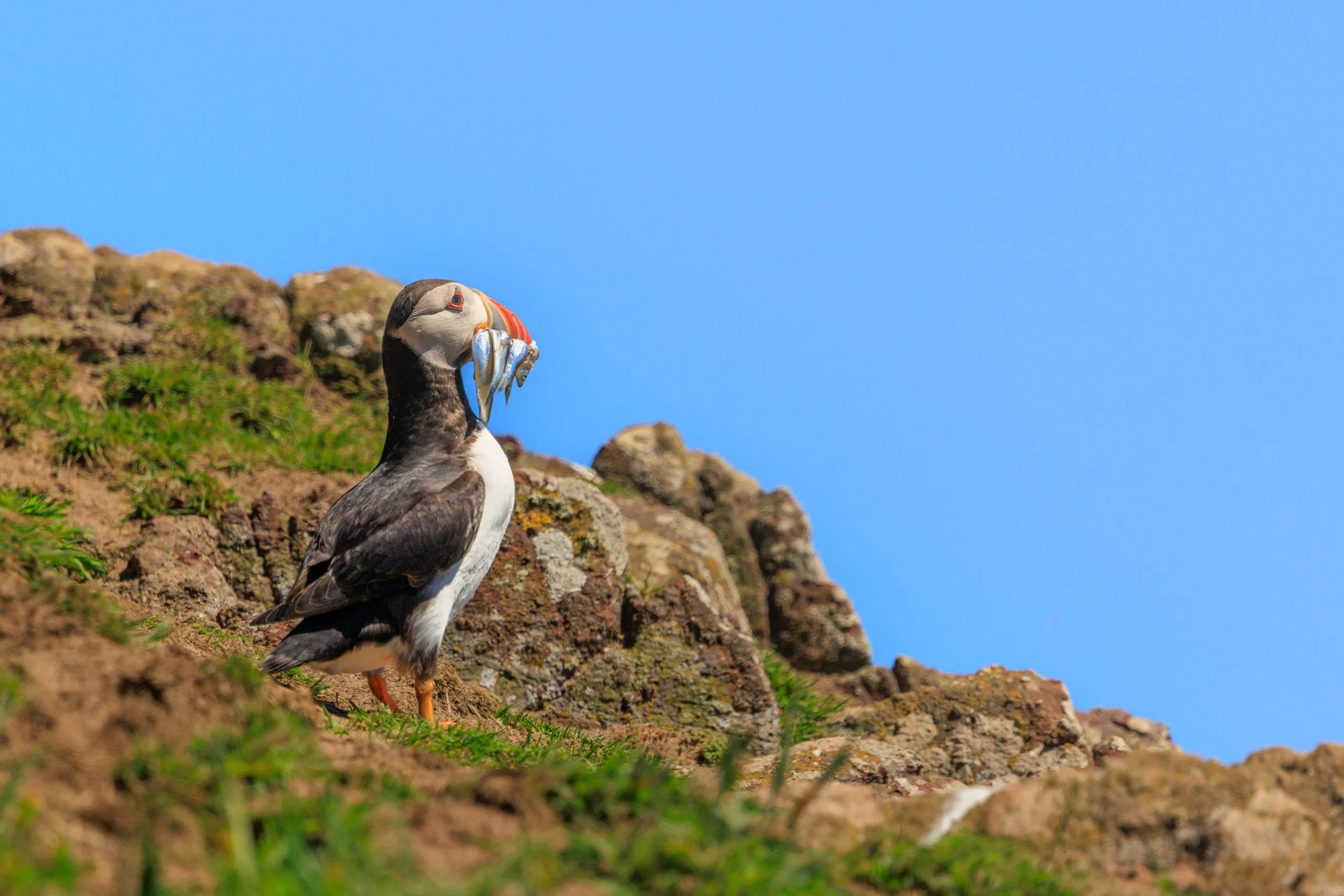
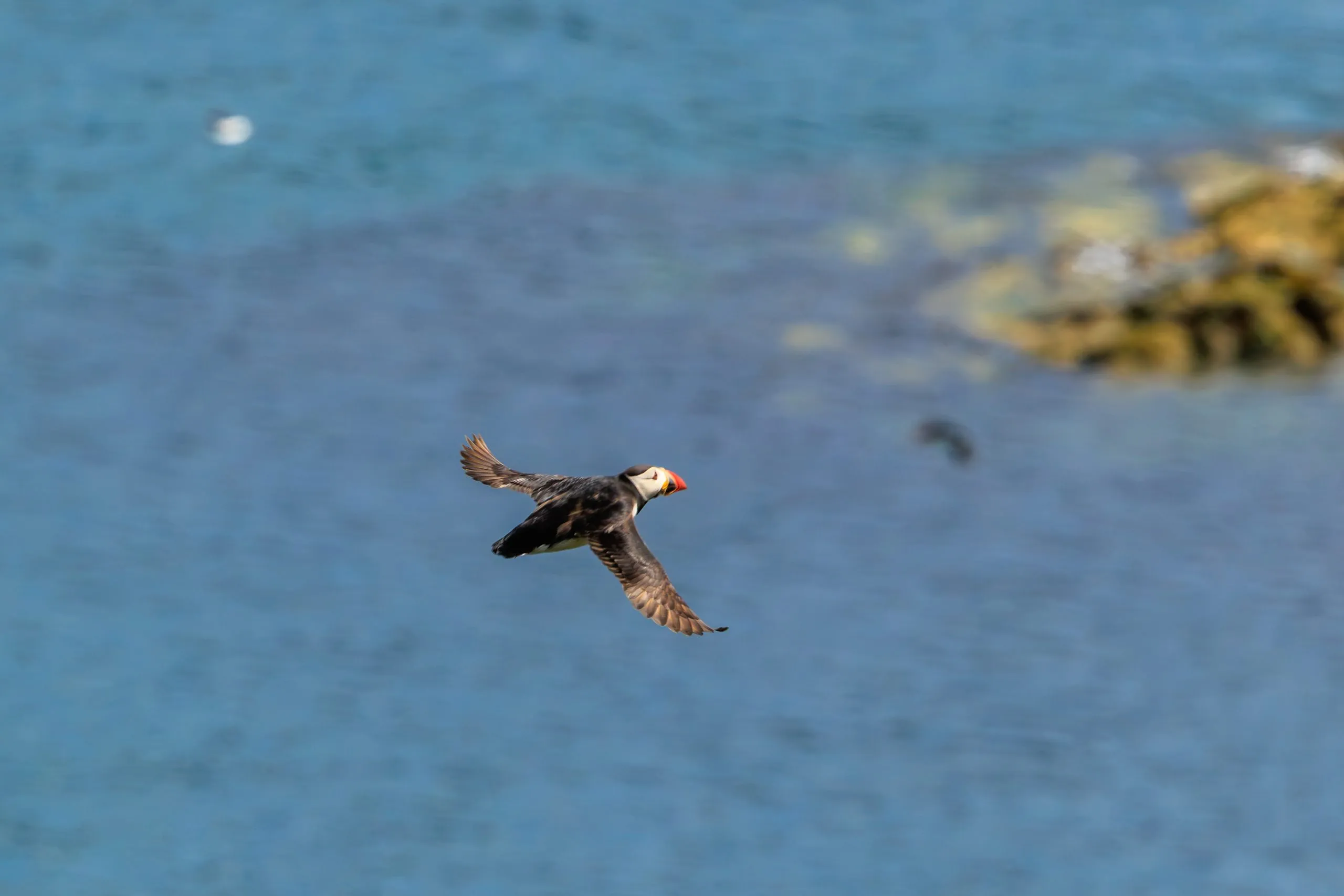
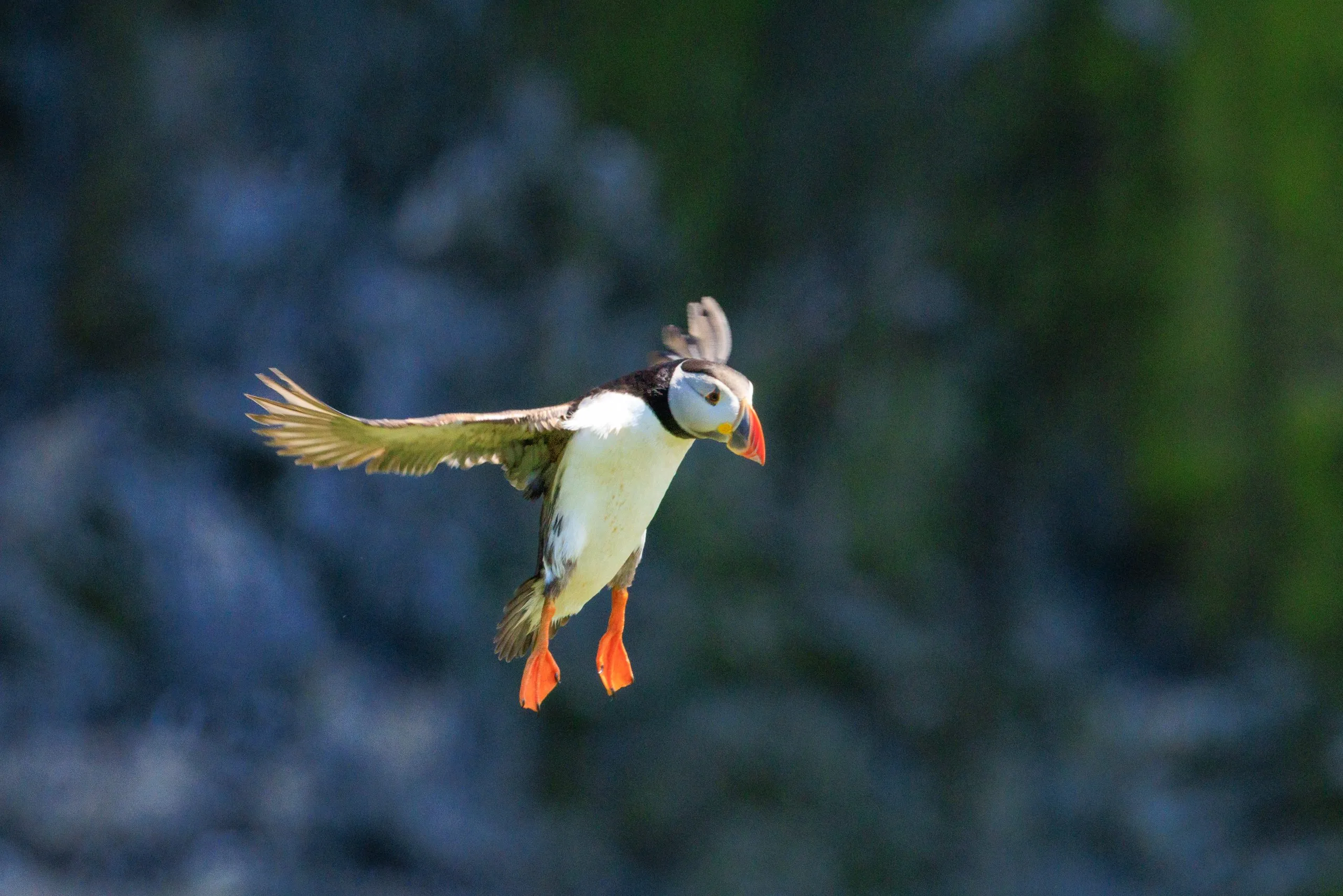
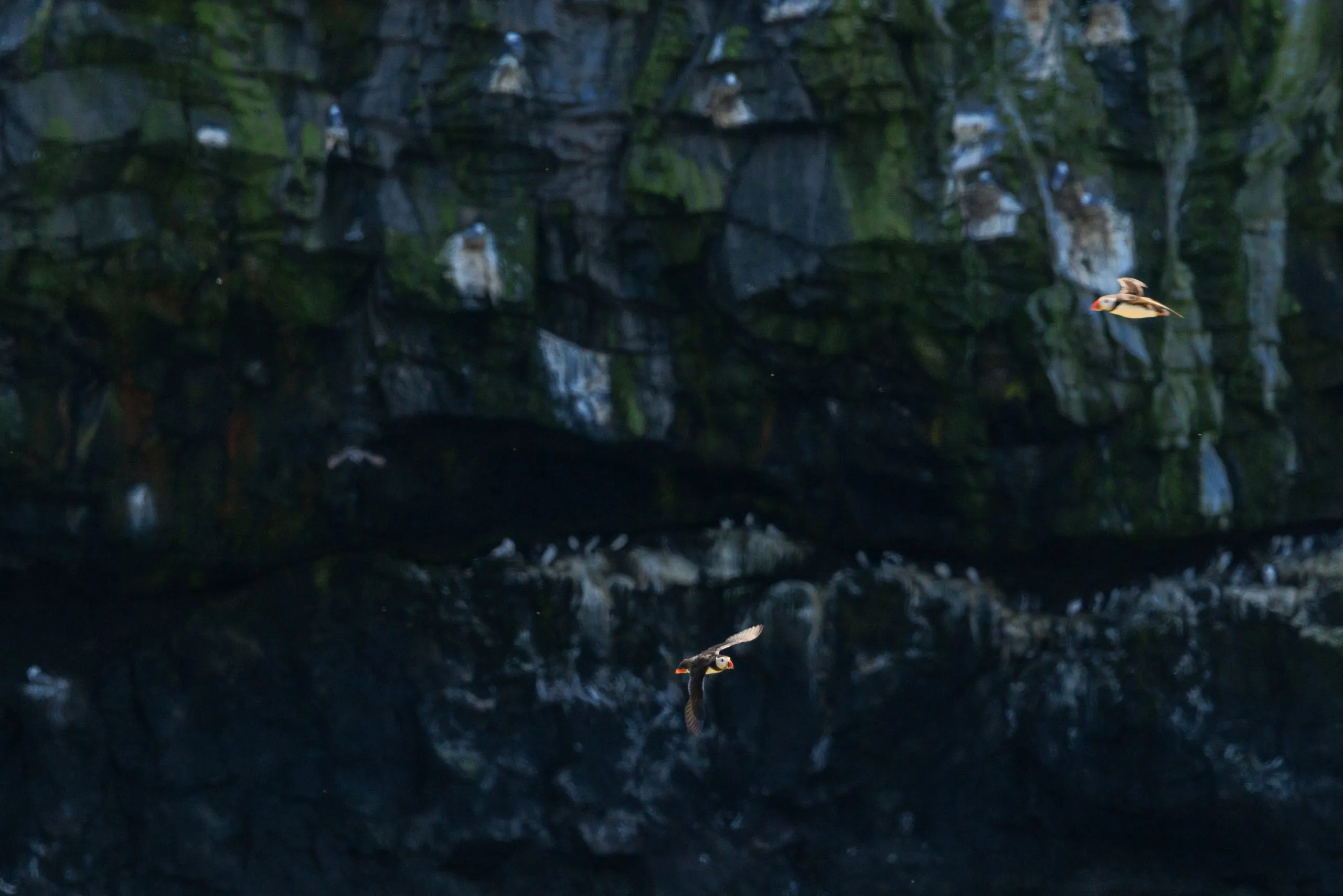
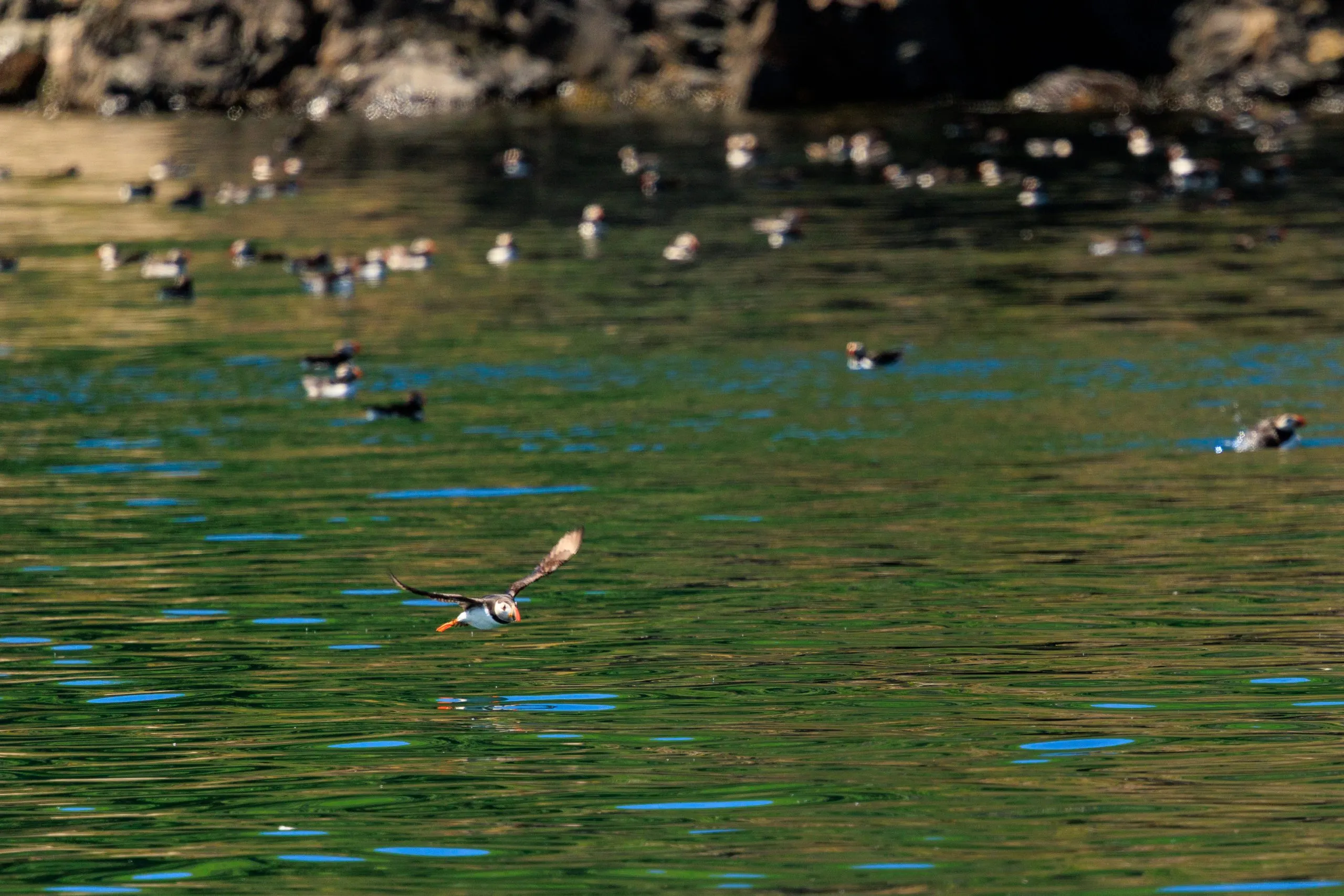
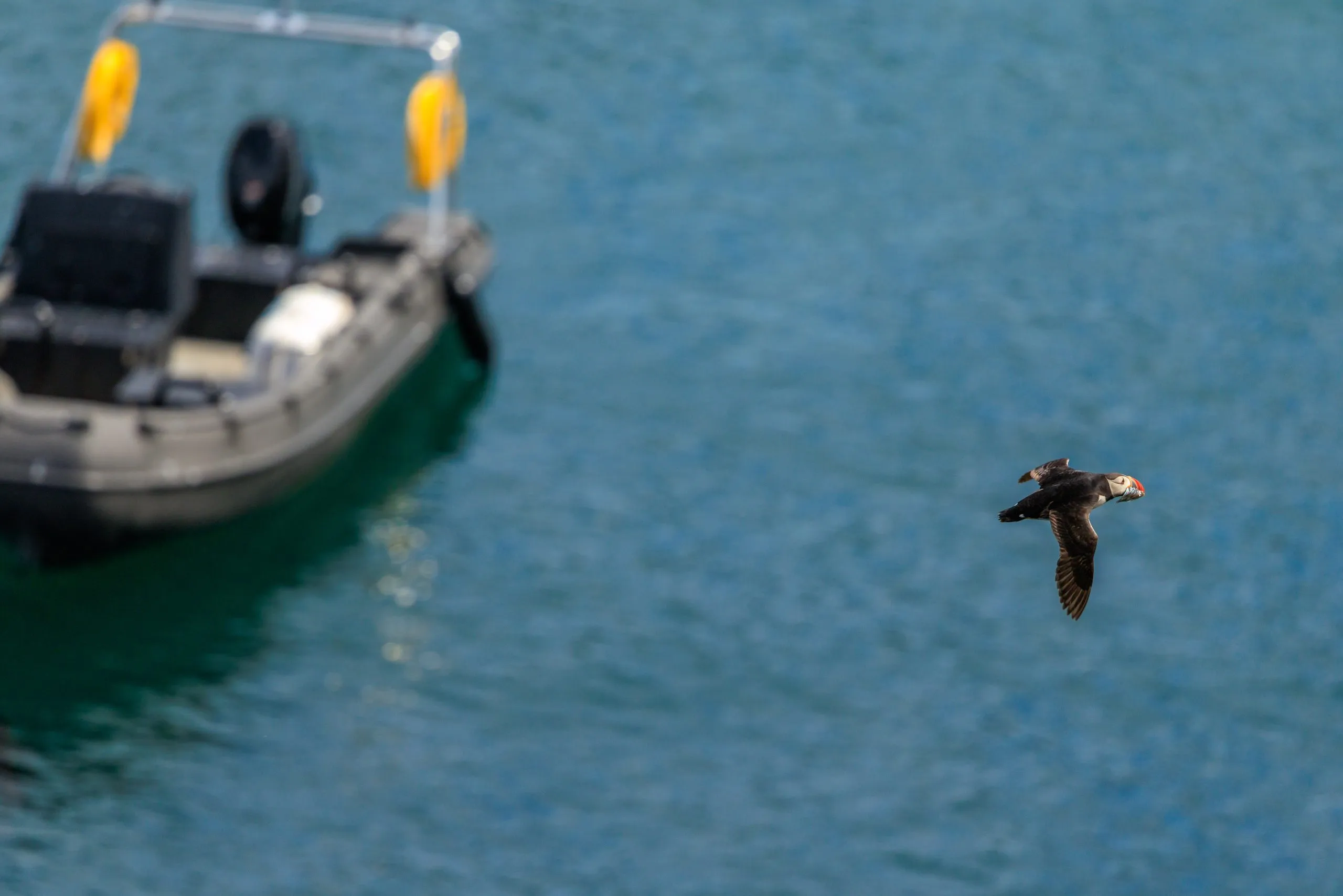
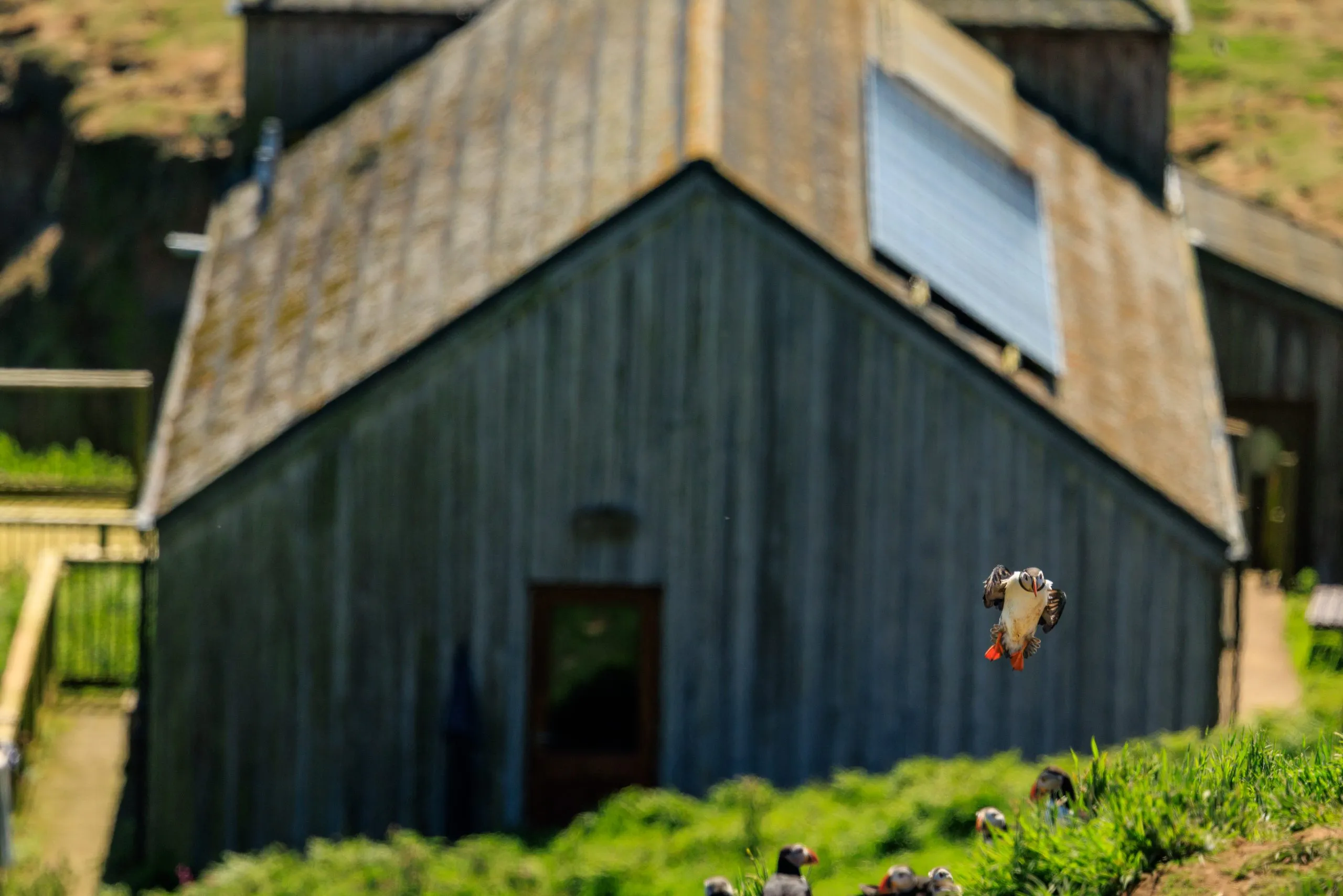
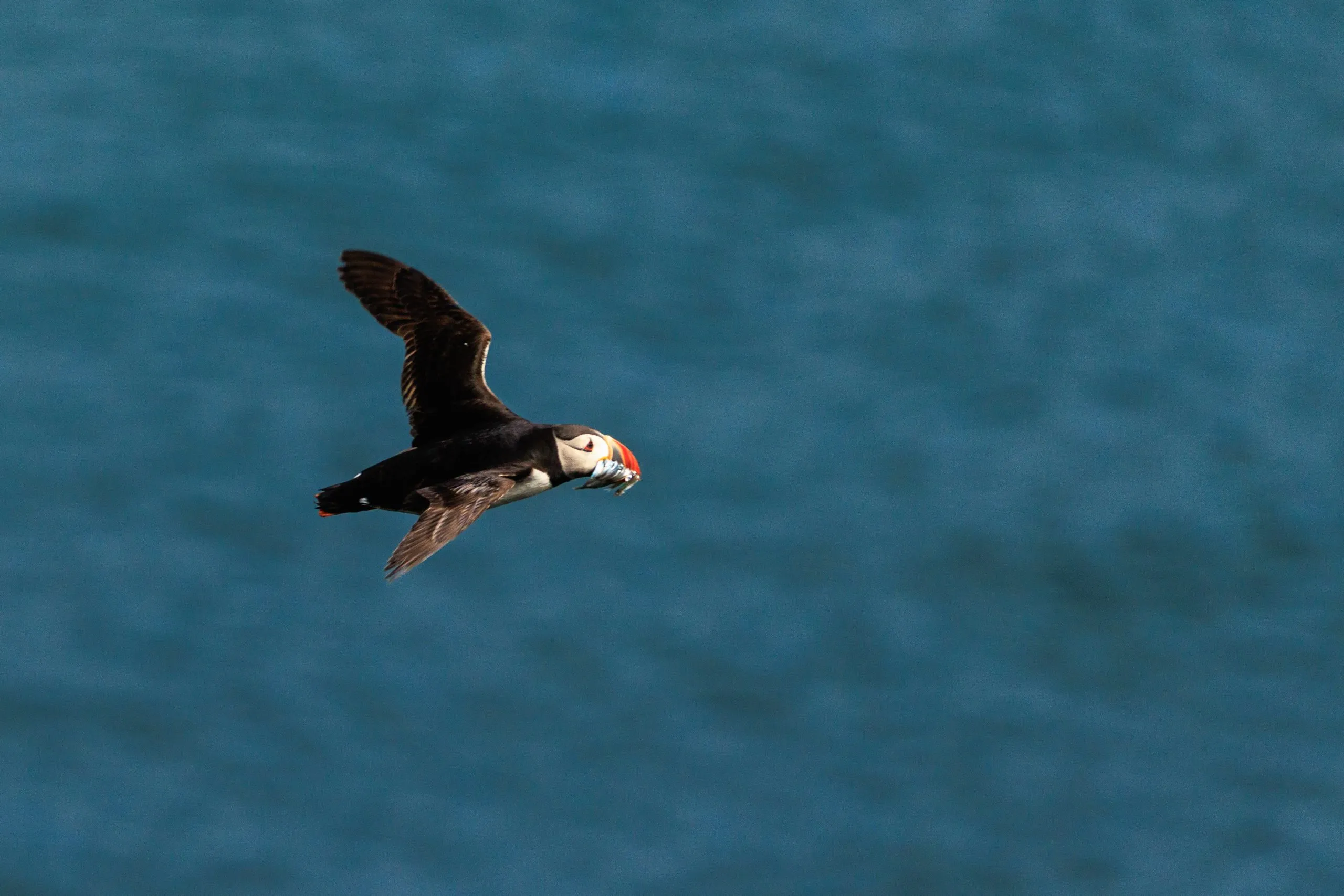
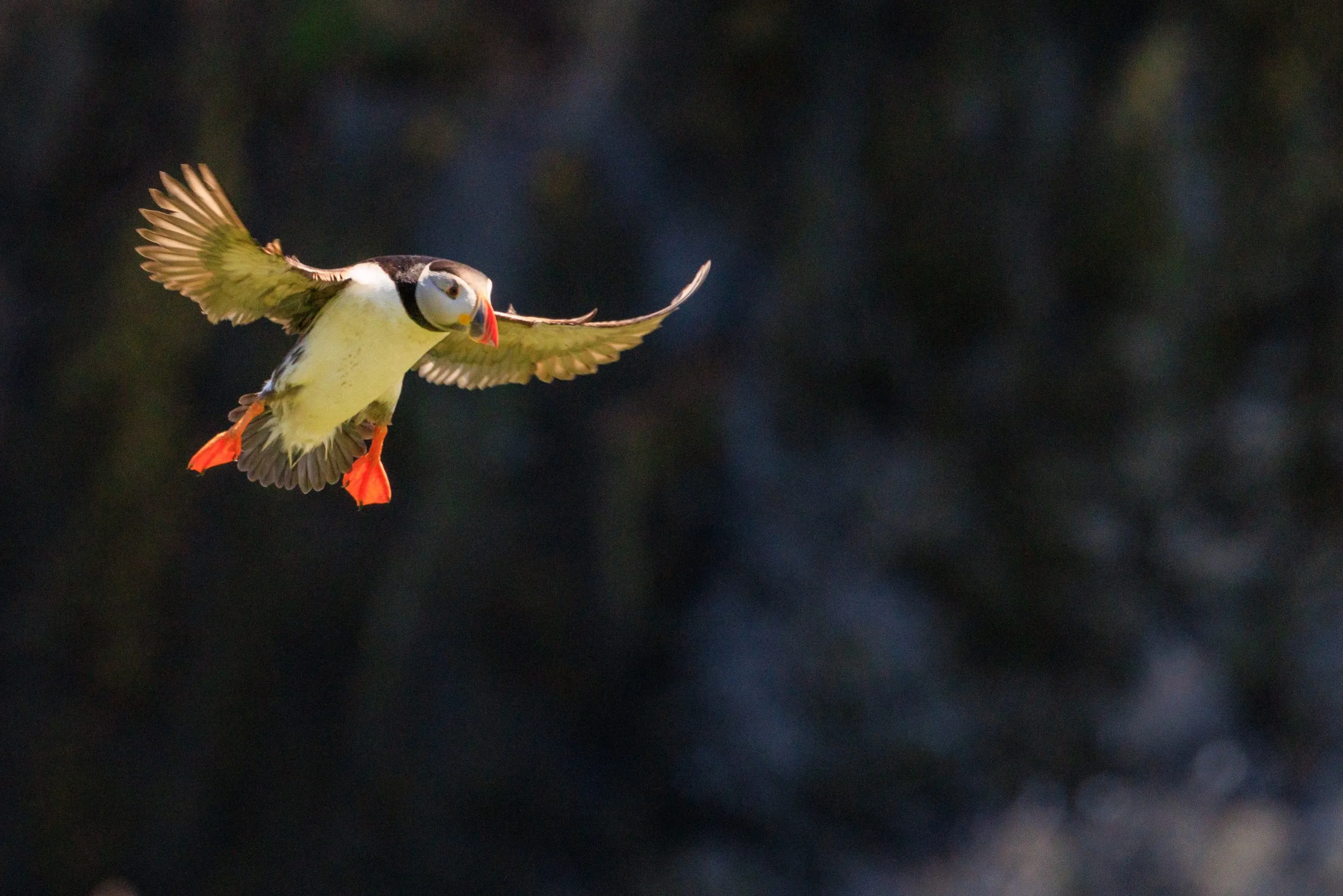
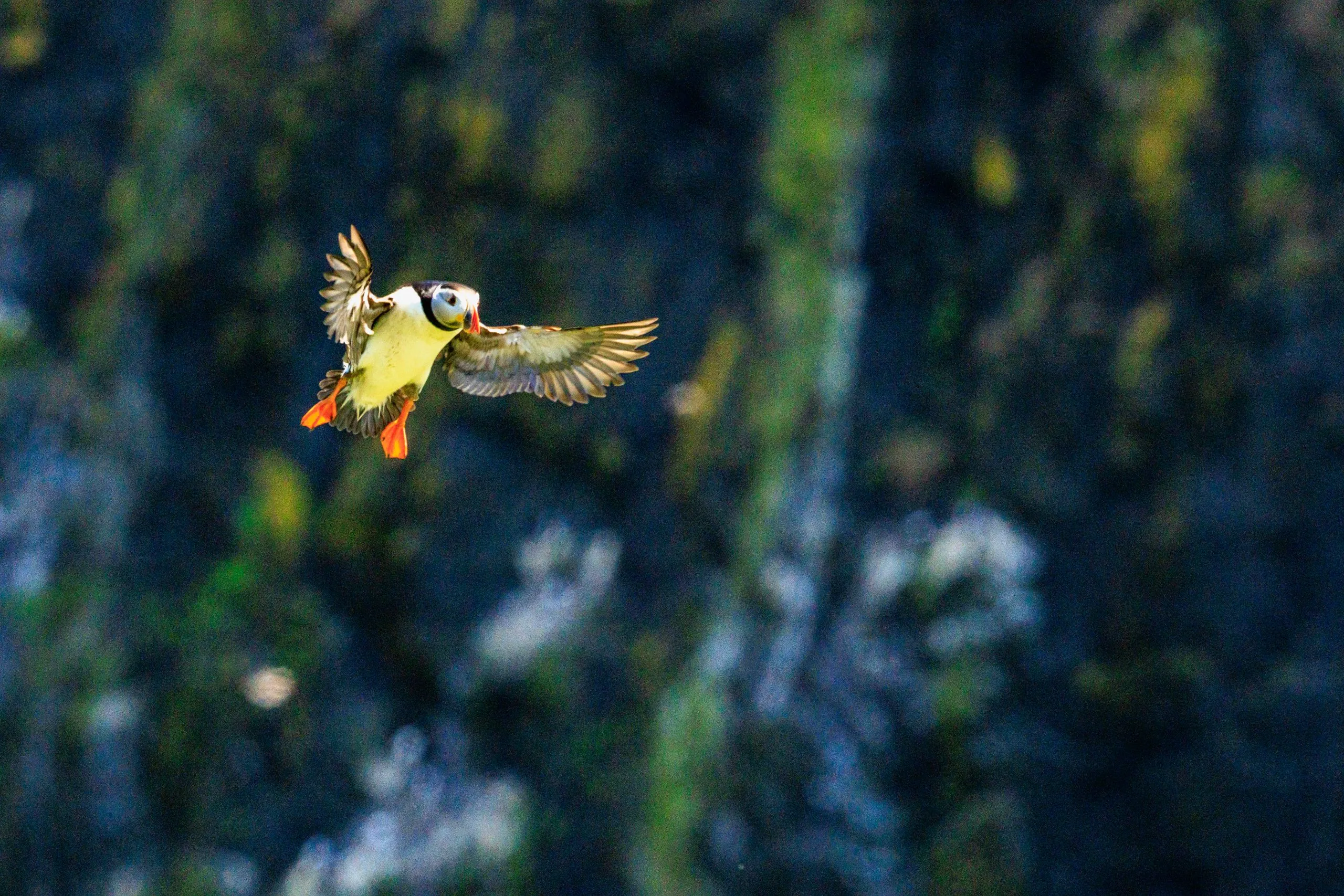
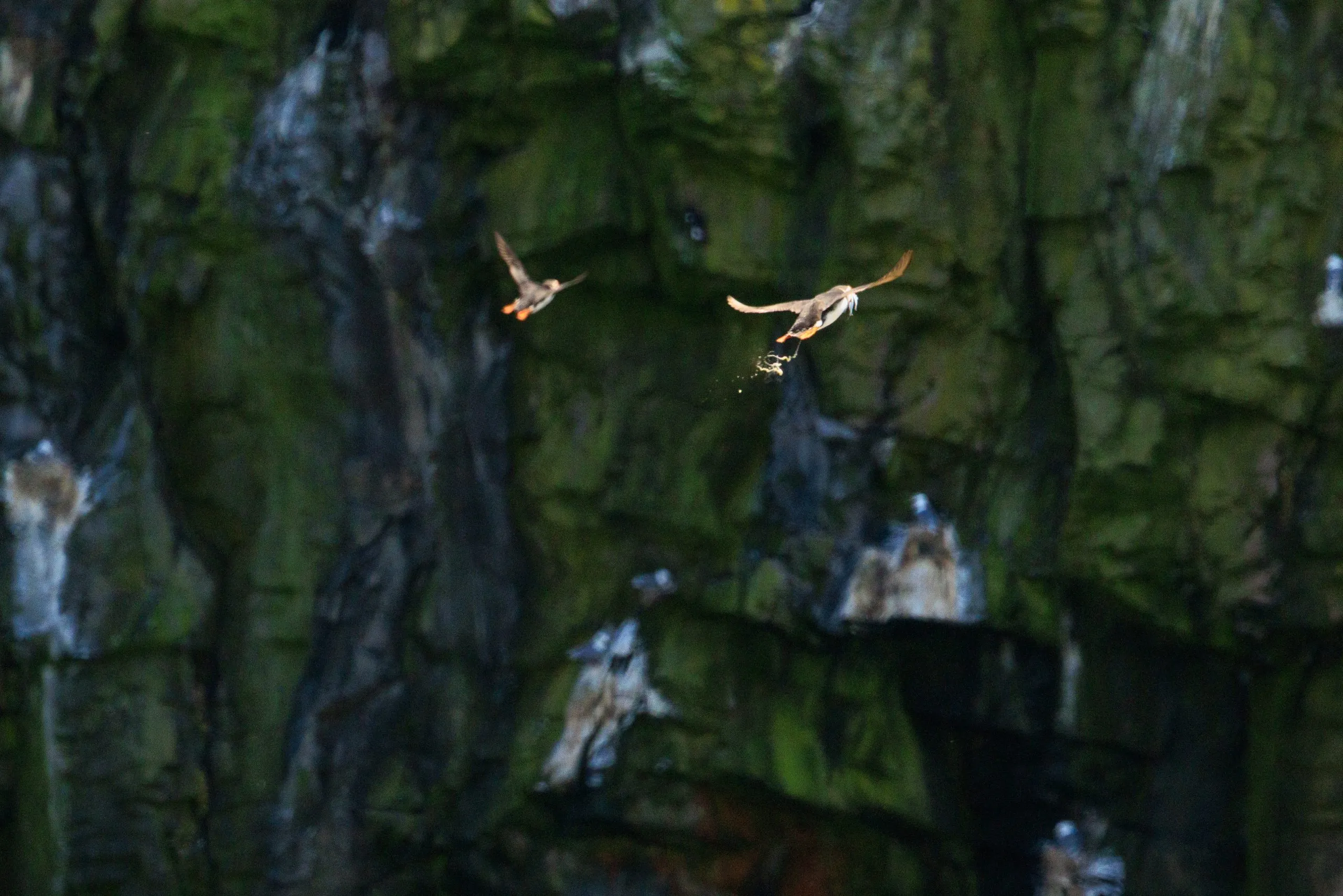
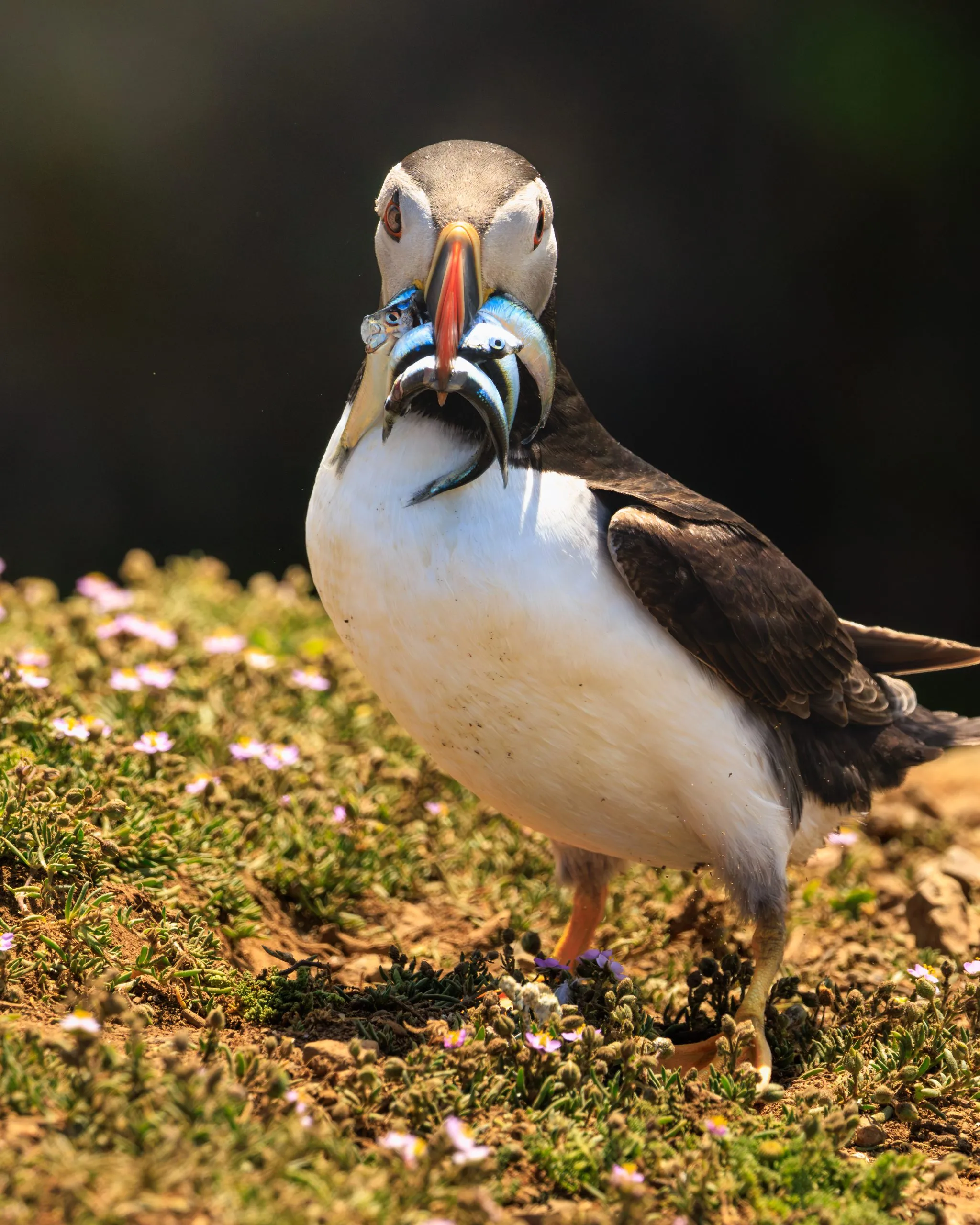
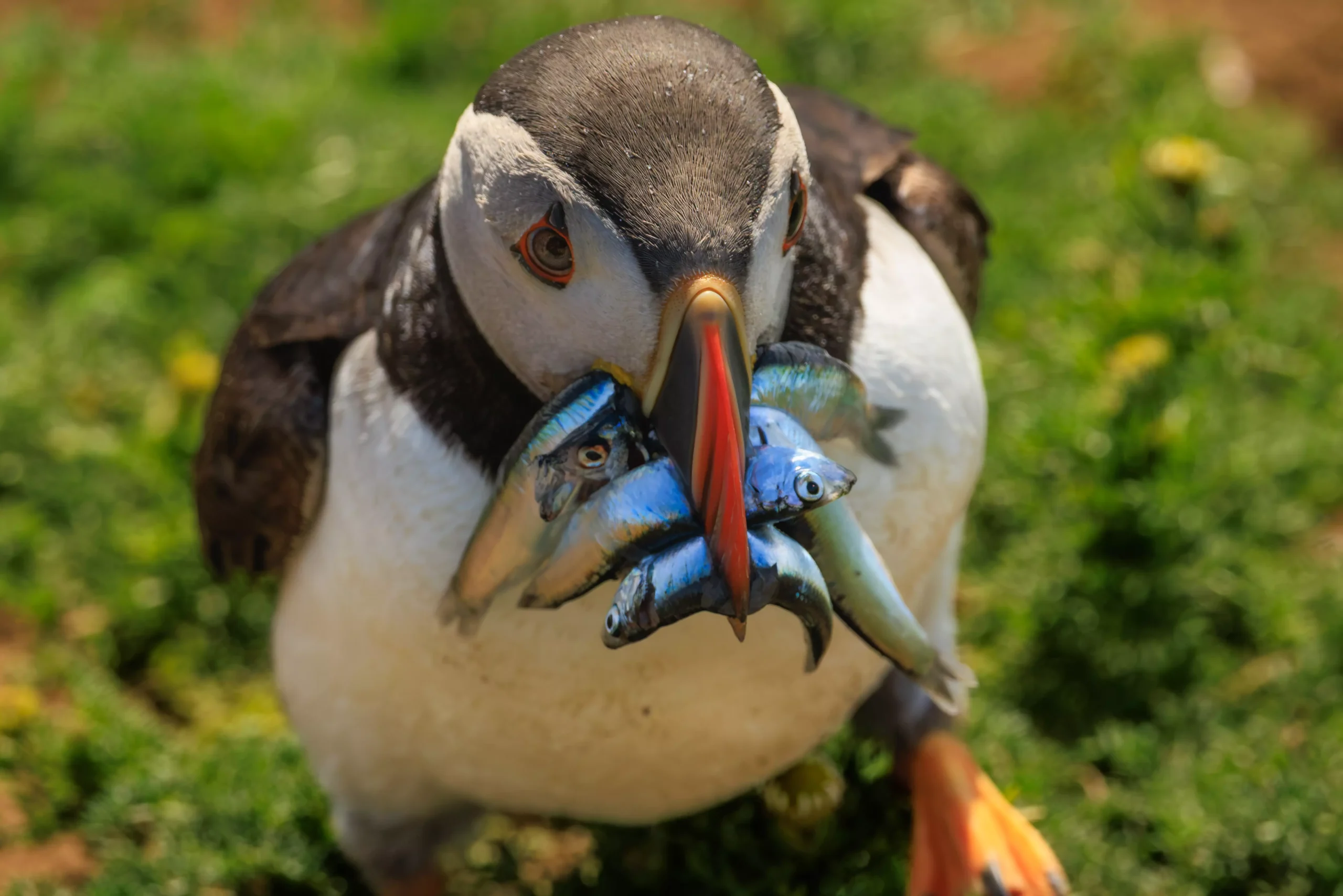
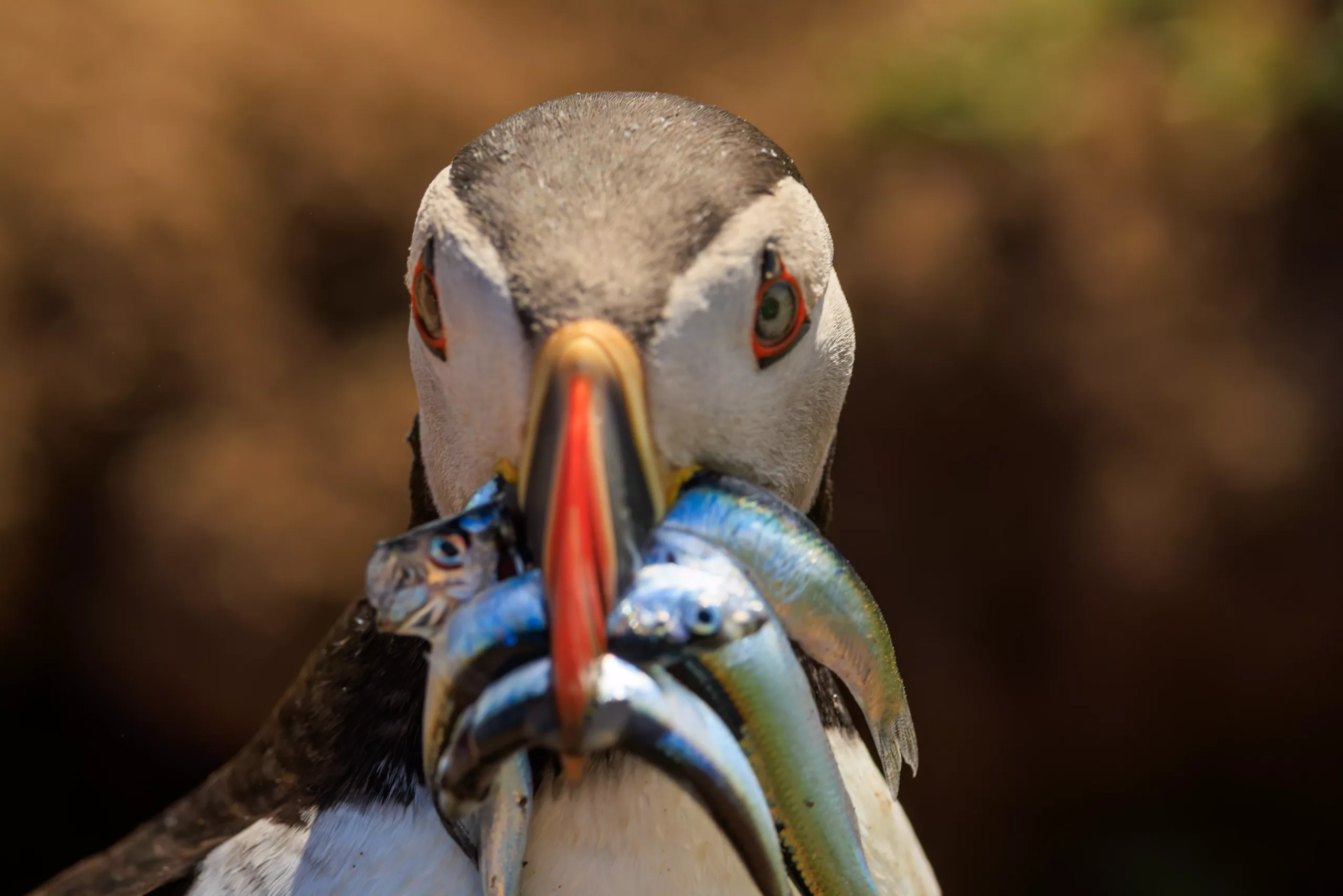
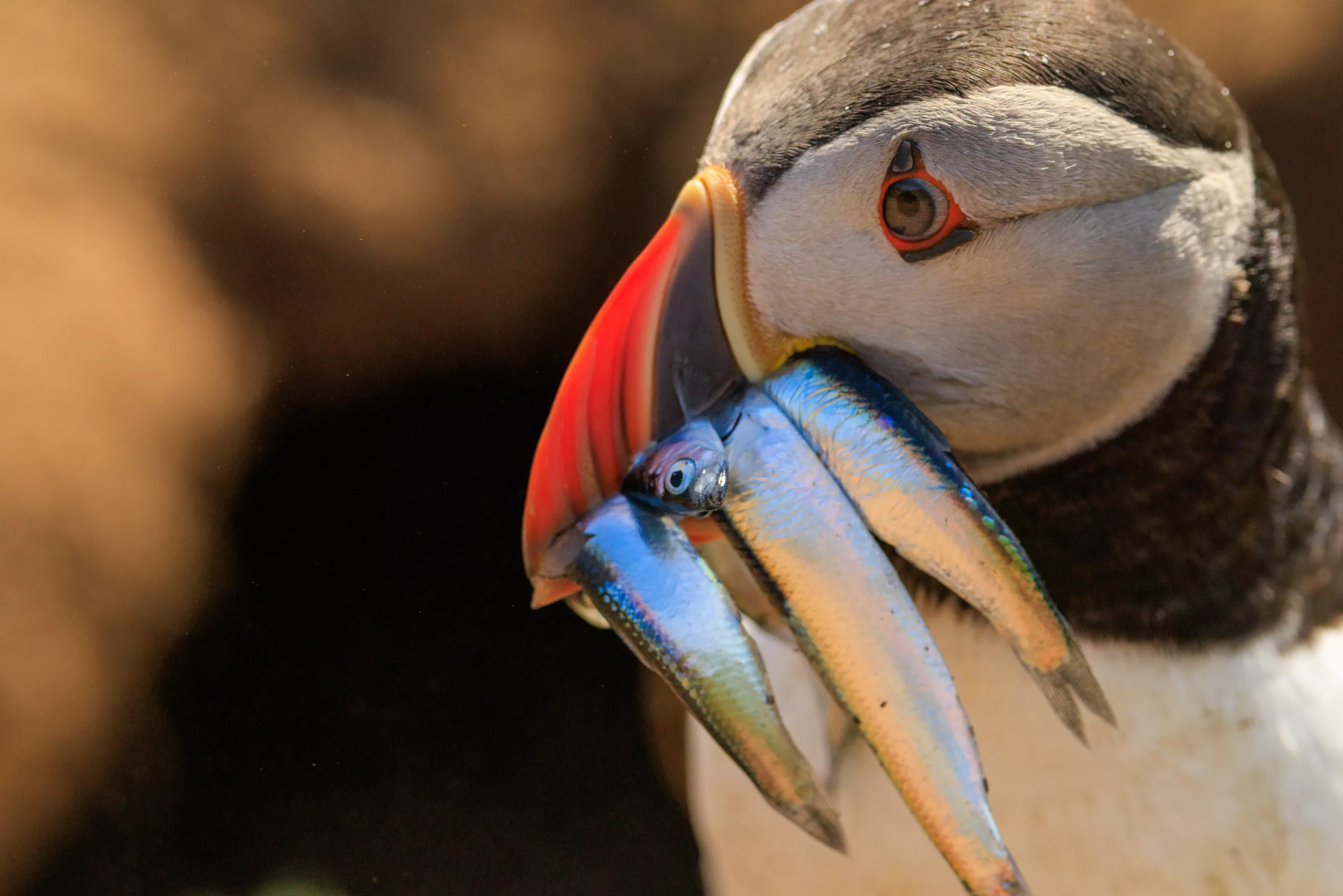
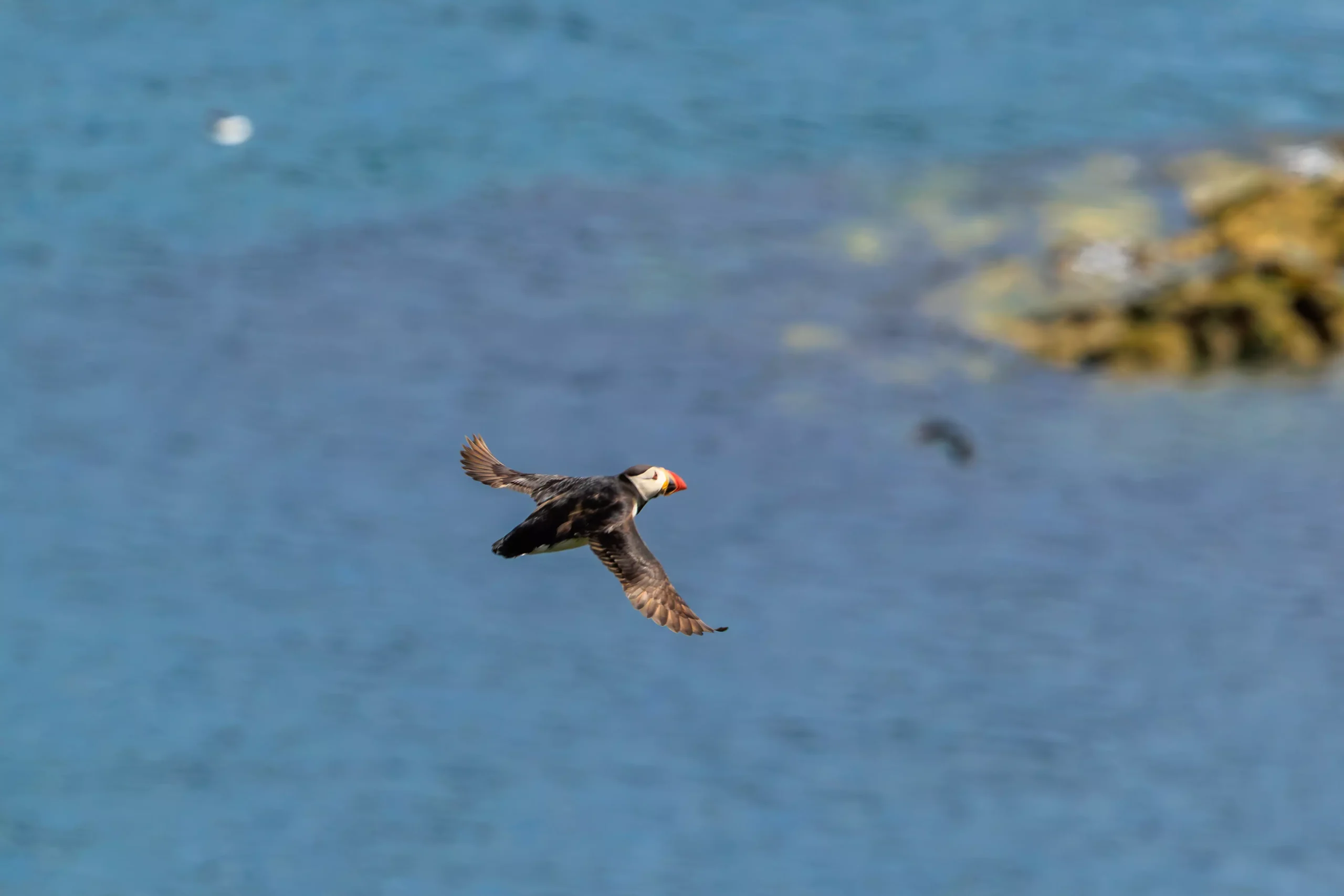
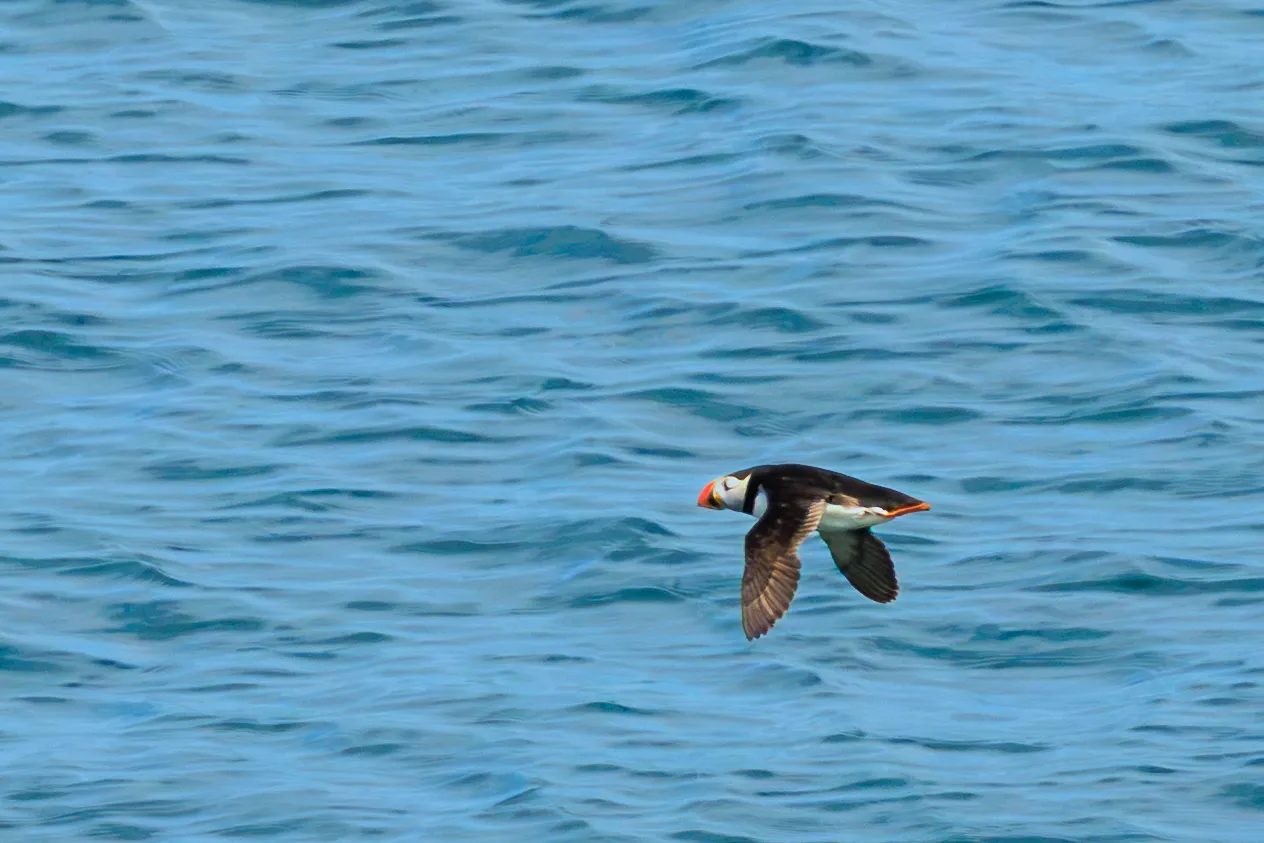
The absolute pinnacle of the coastal experience is witnessing the birds return from the open ocean, their bills tightly packed with rows of small, glistening fish. To the casual observer, their flight path might appear chaotic or frantic, but under the scrutiny of a telephoto lens, it becomes a display of sheer aerodynamic determination. The birds hurdle over the cliff edge at remarkable speeds, slicing through the turbulent air currents created by the thermal updrafts of the rock faces before dropping their webbed feet like tiny, colourful landing gear to touch down on the turf.

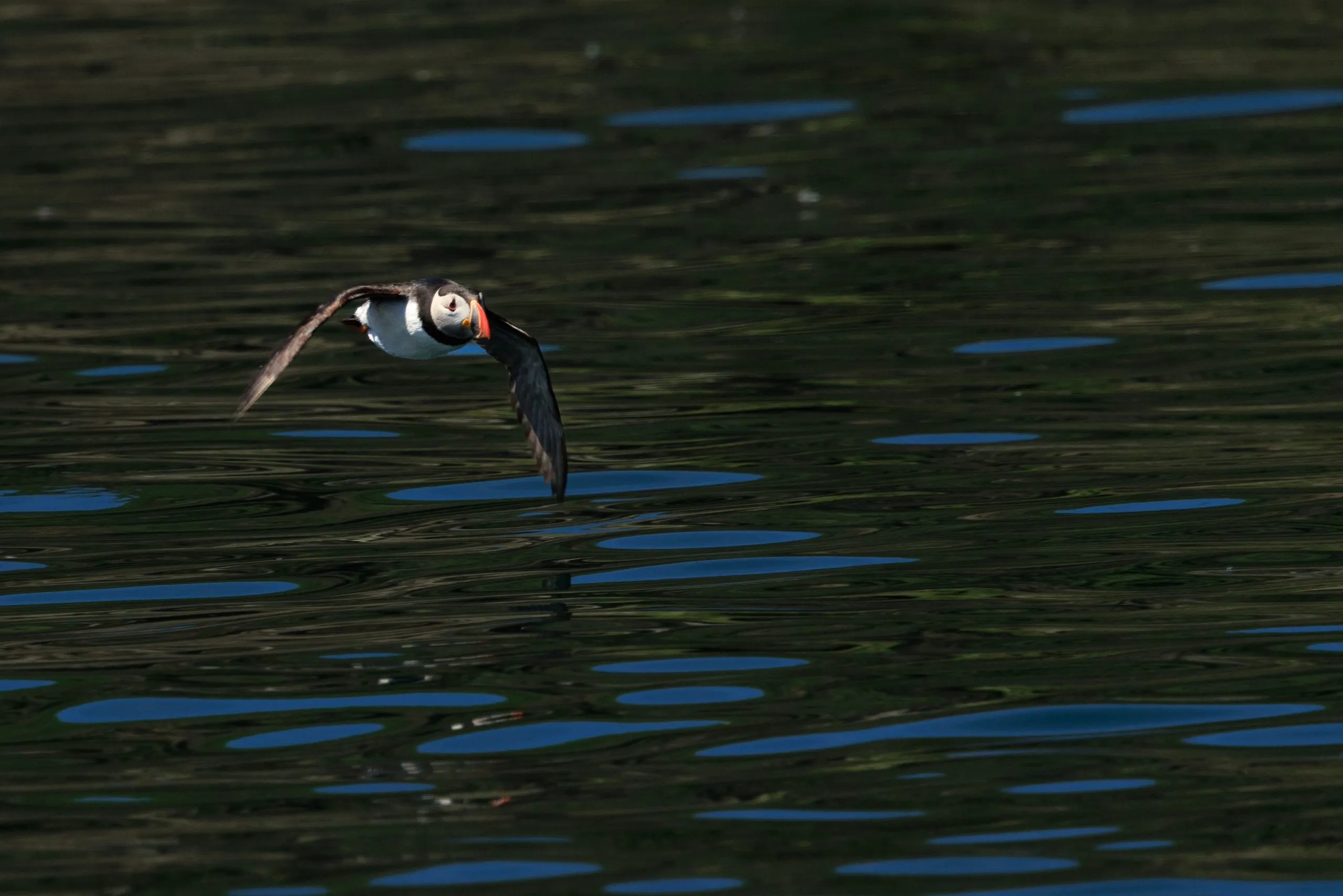
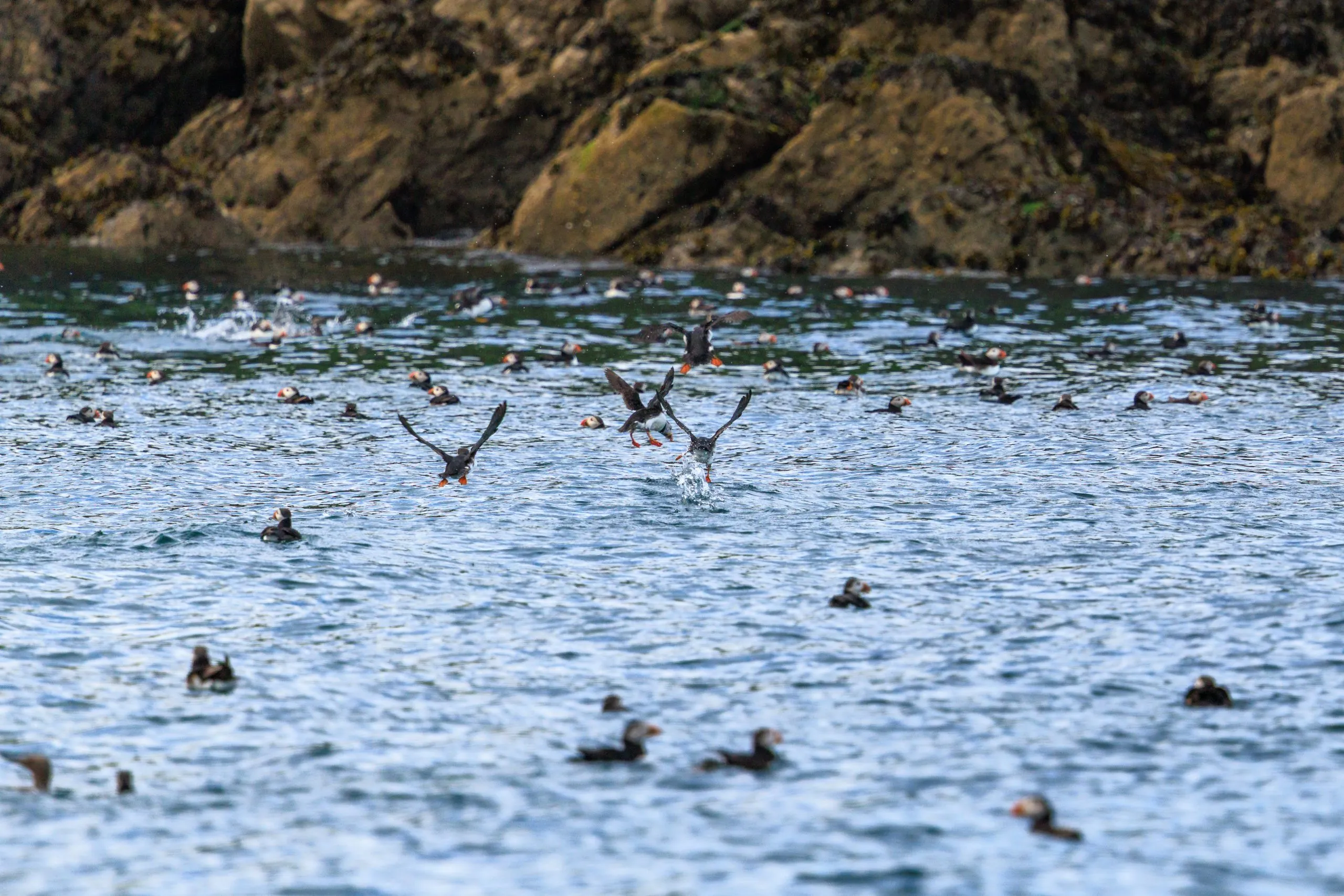
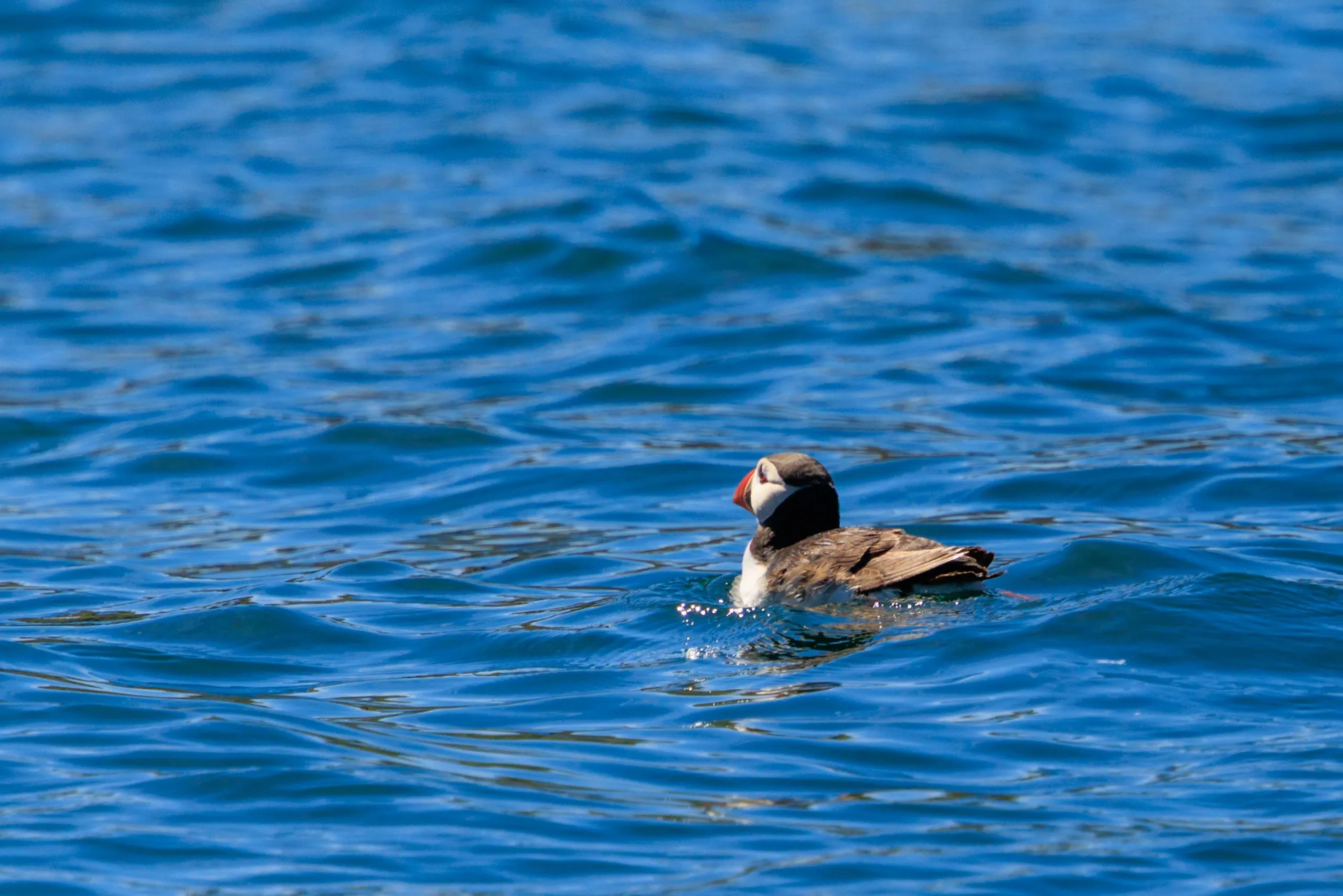
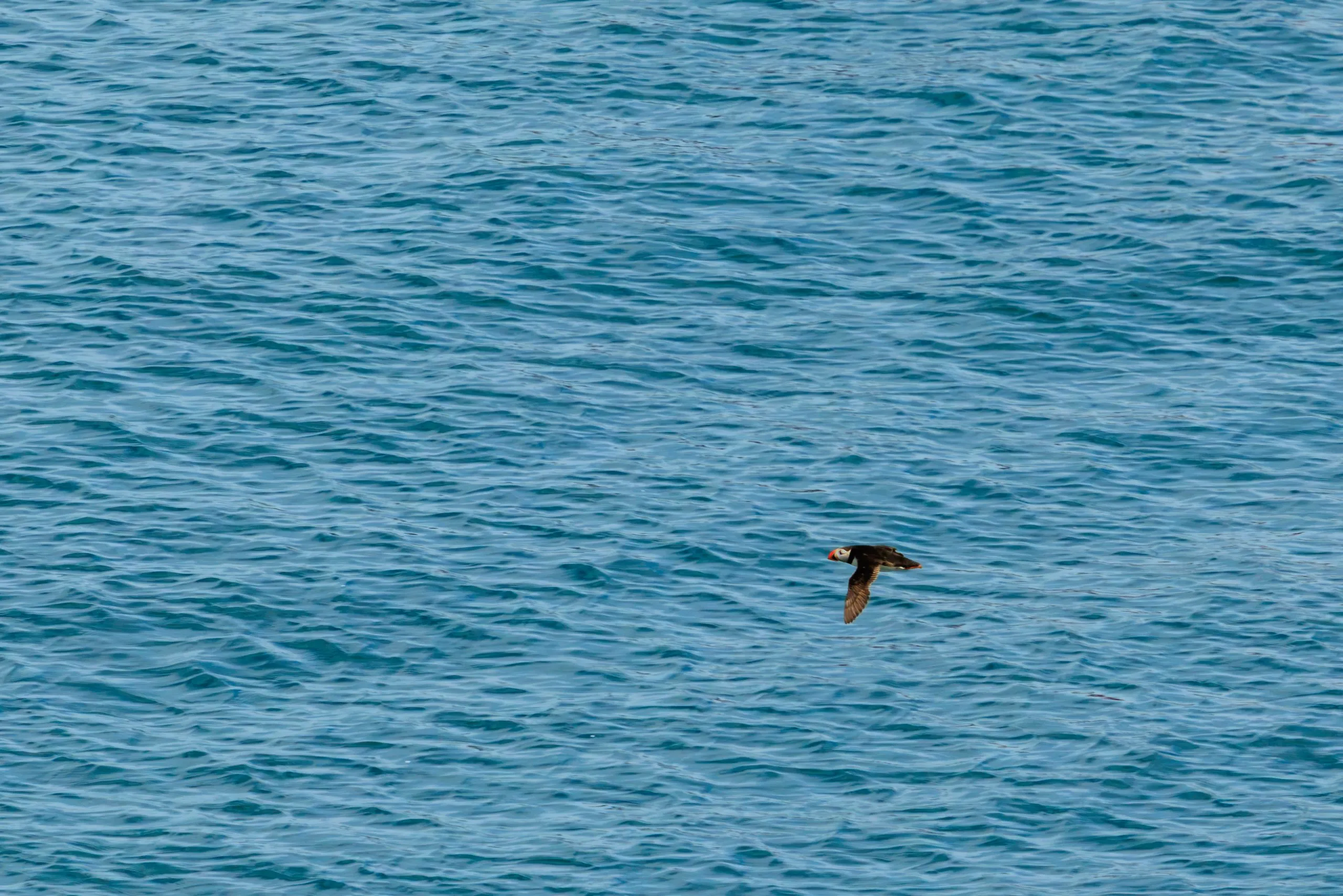
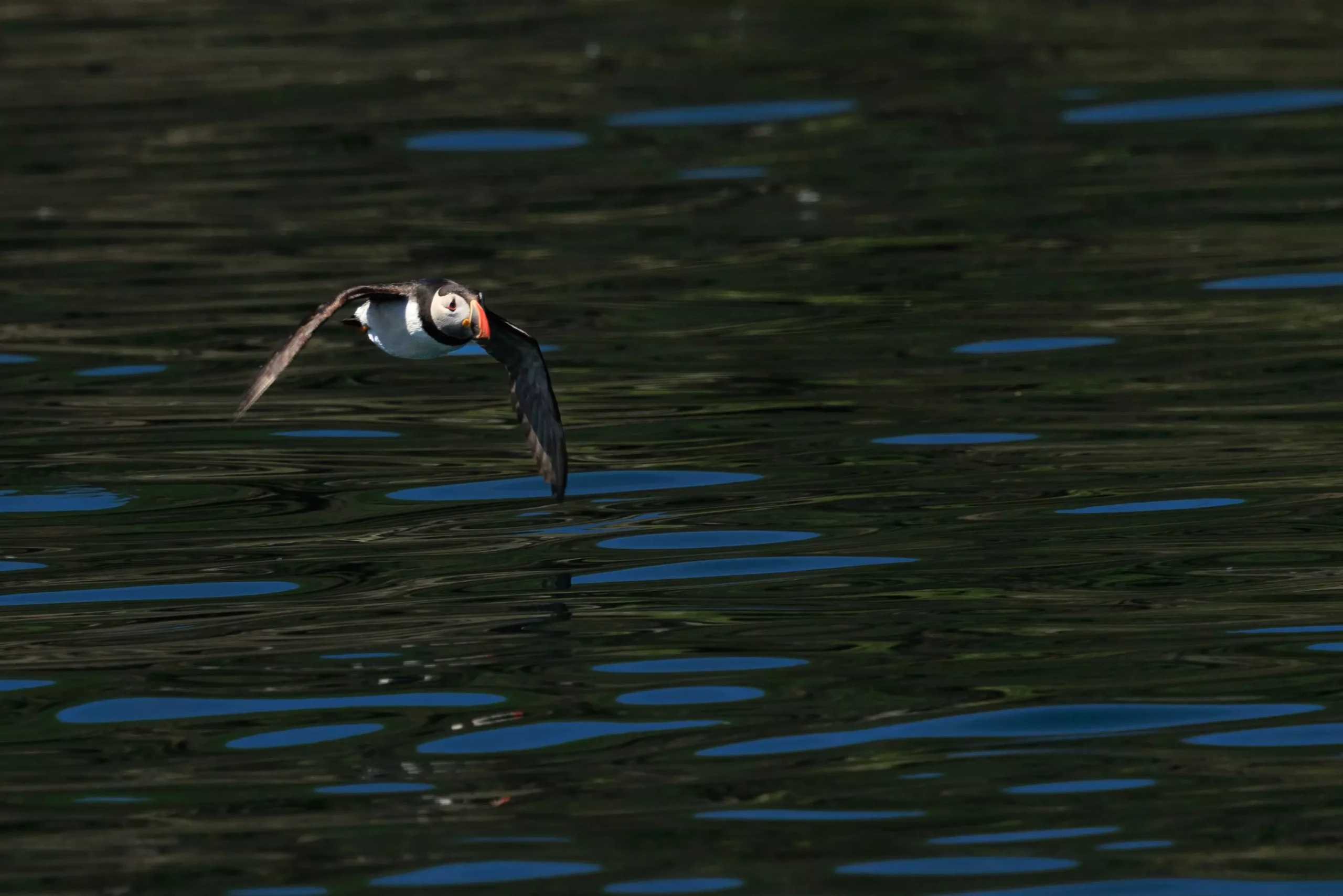
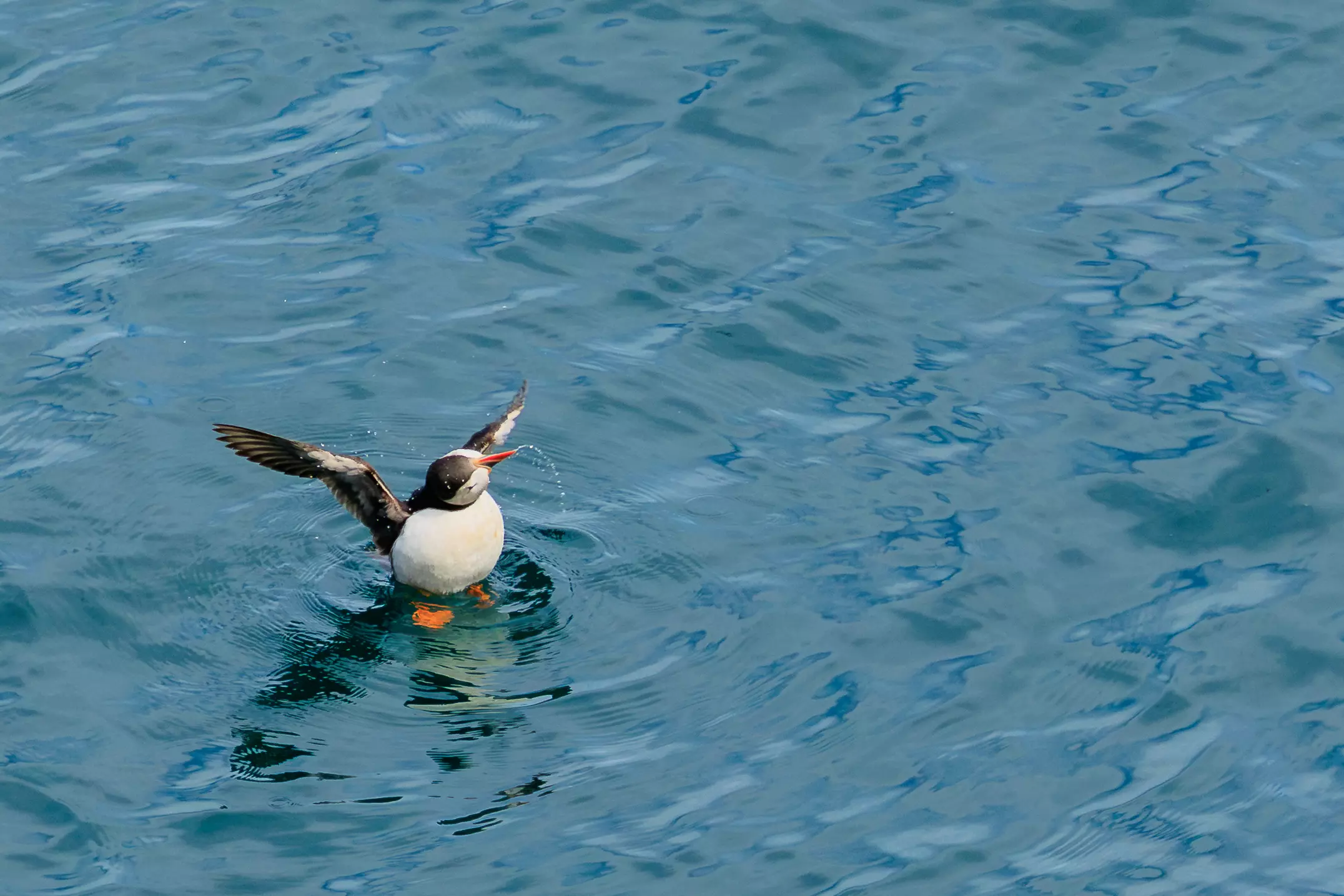
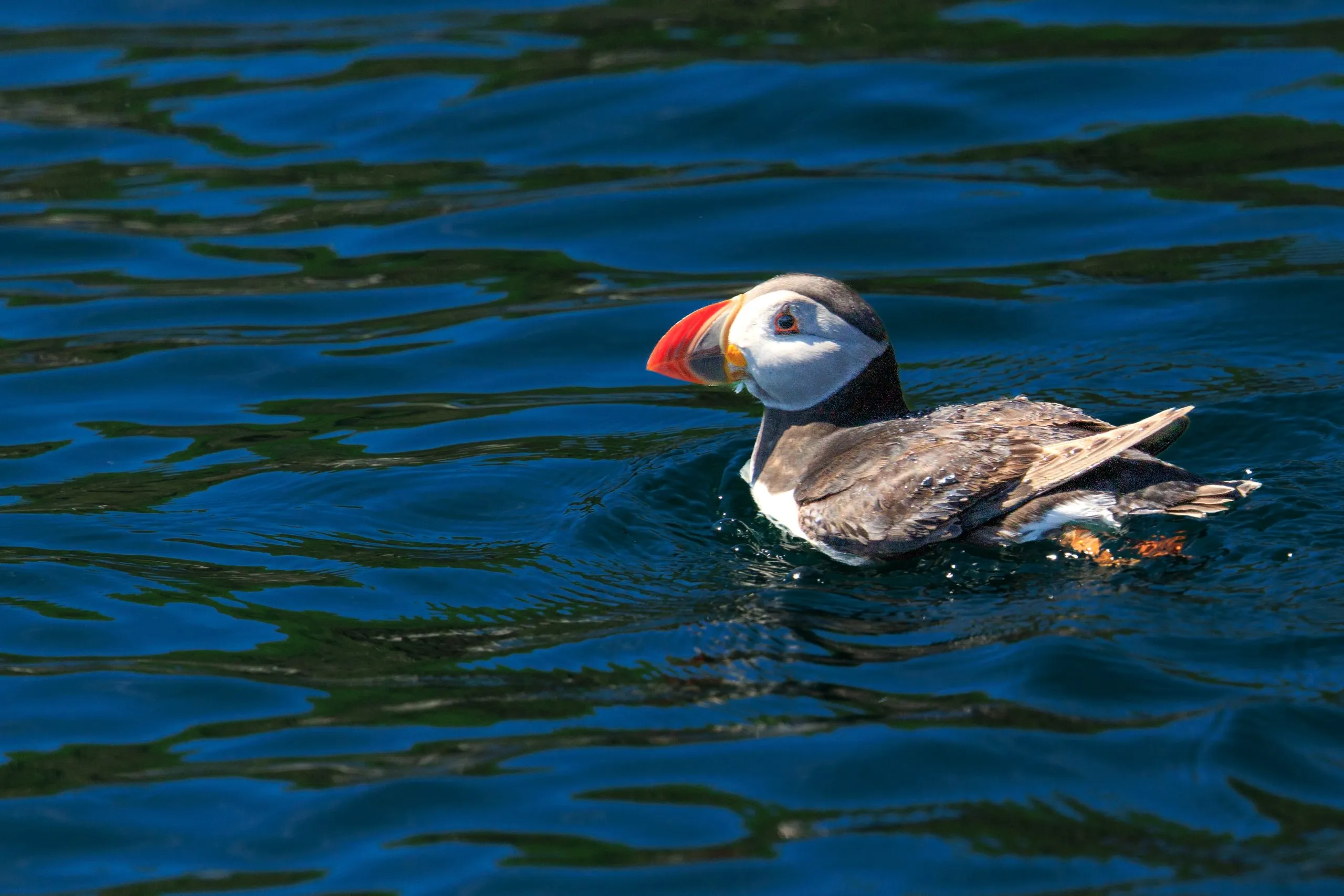
Photographing these birds in flight requires a flawless blend of technical precision and instinctual panning. The contrast between the fast-moving bird and the dark, undulating surface of the sea below creates a powerful graphic quality that emphasizes the speed of the hunt. When the frame captures a flyer skimming just inches above the glassy, dark water, the gentle ripples reflect the deep blue of the sky, creating a textured backdrop that isolates the subject. It is a discipline that demands a high frame rate and an intimate understanding of bird behaviour, anticipating the exact moment a flyer will stall against the wind before touching down.

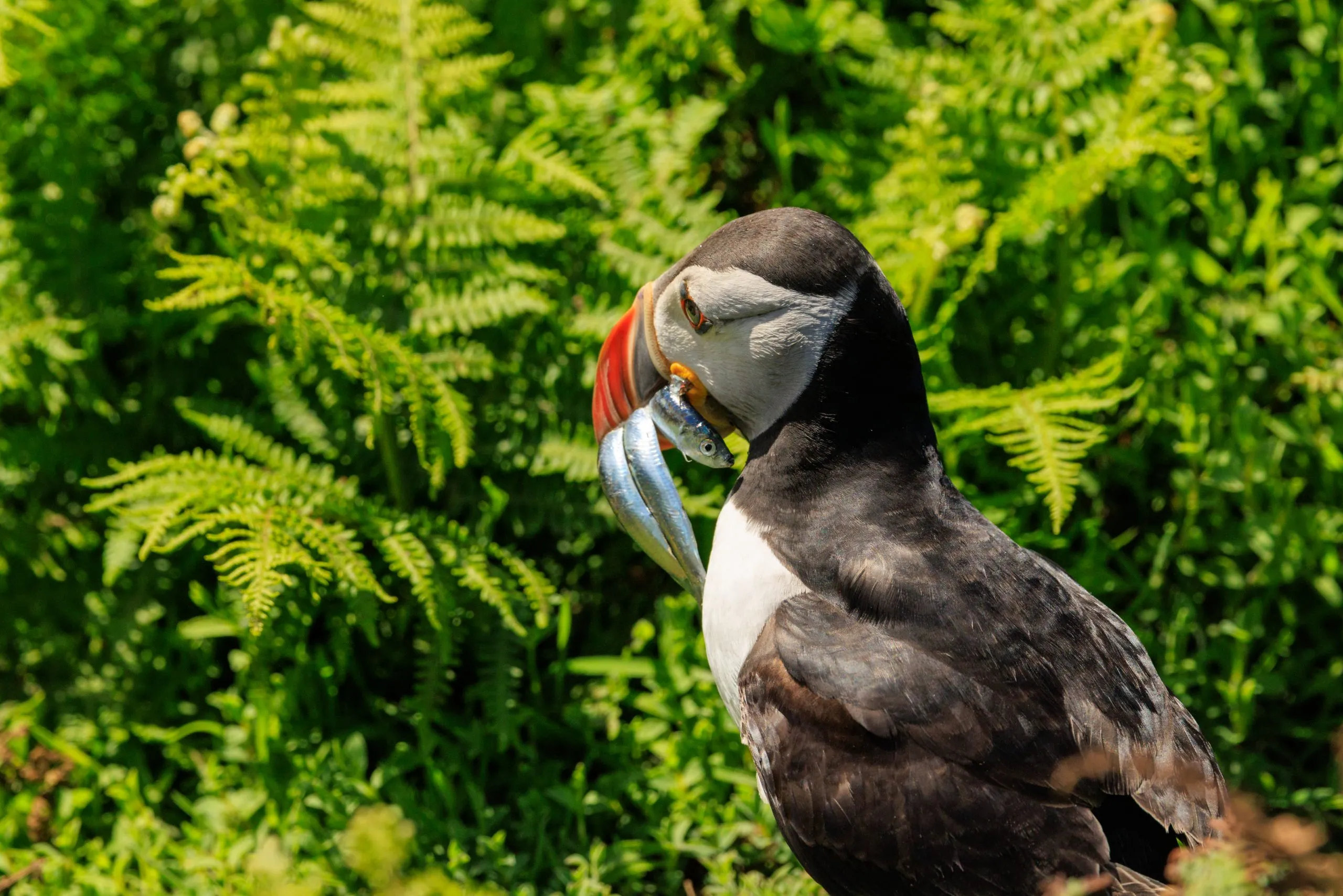
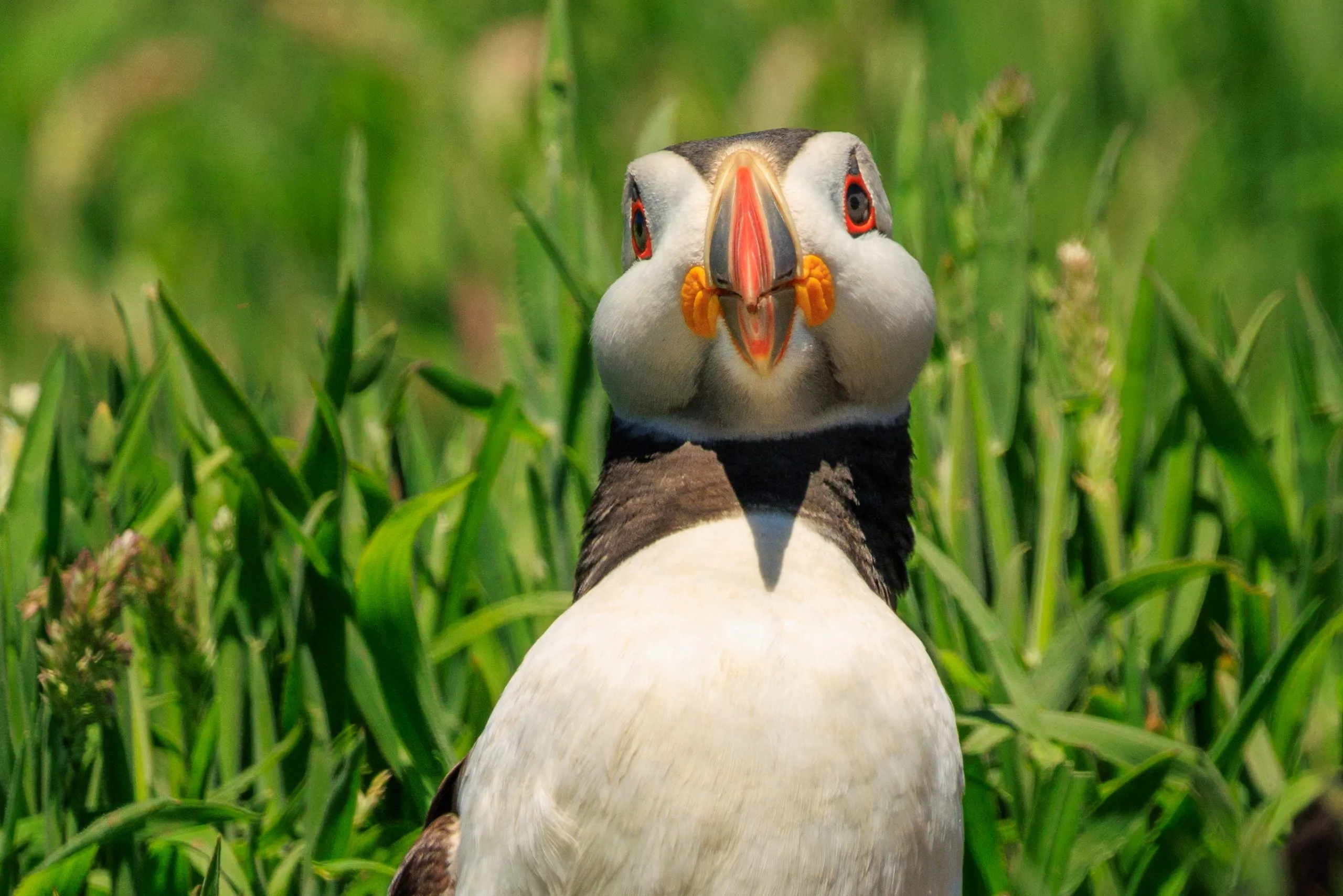
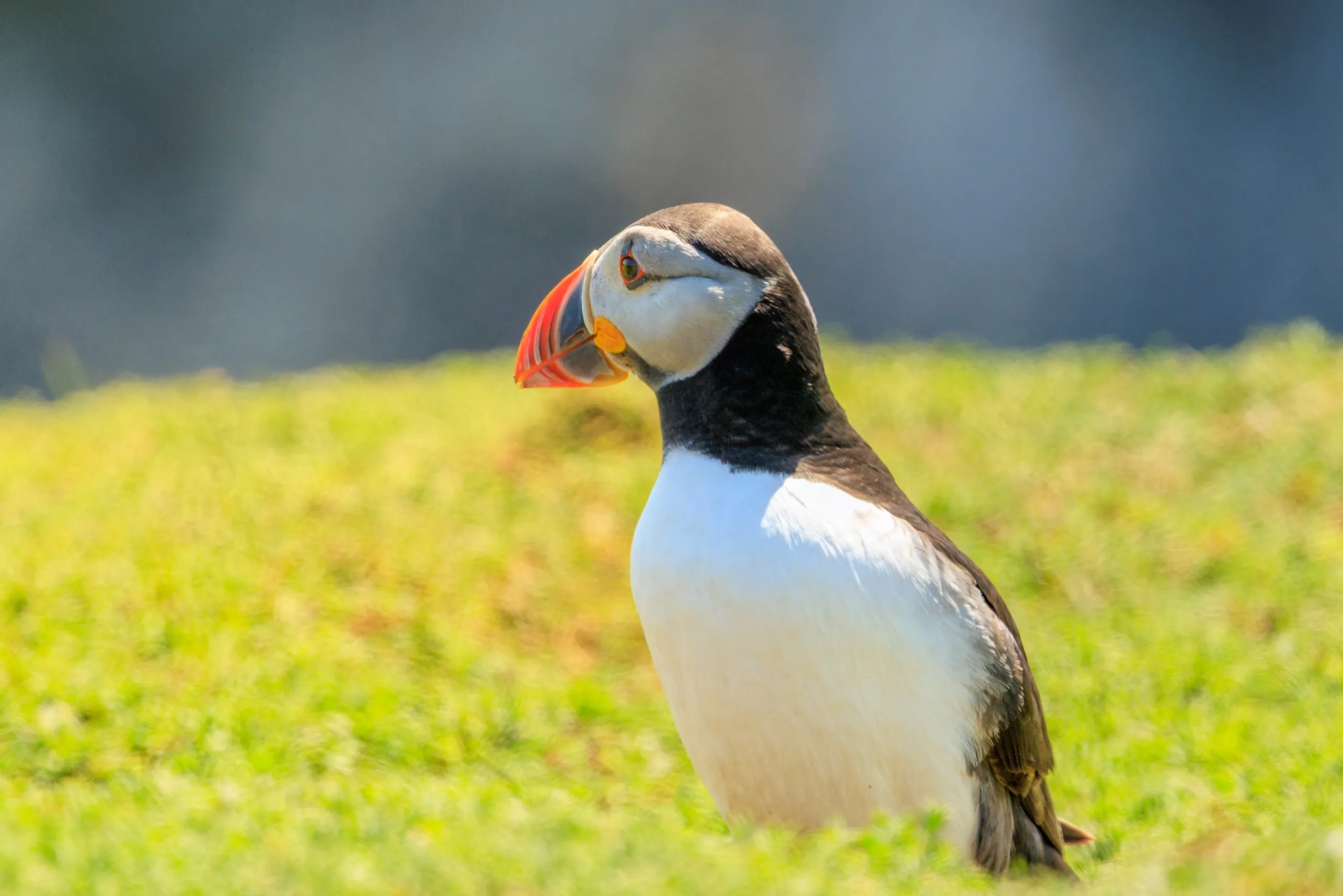
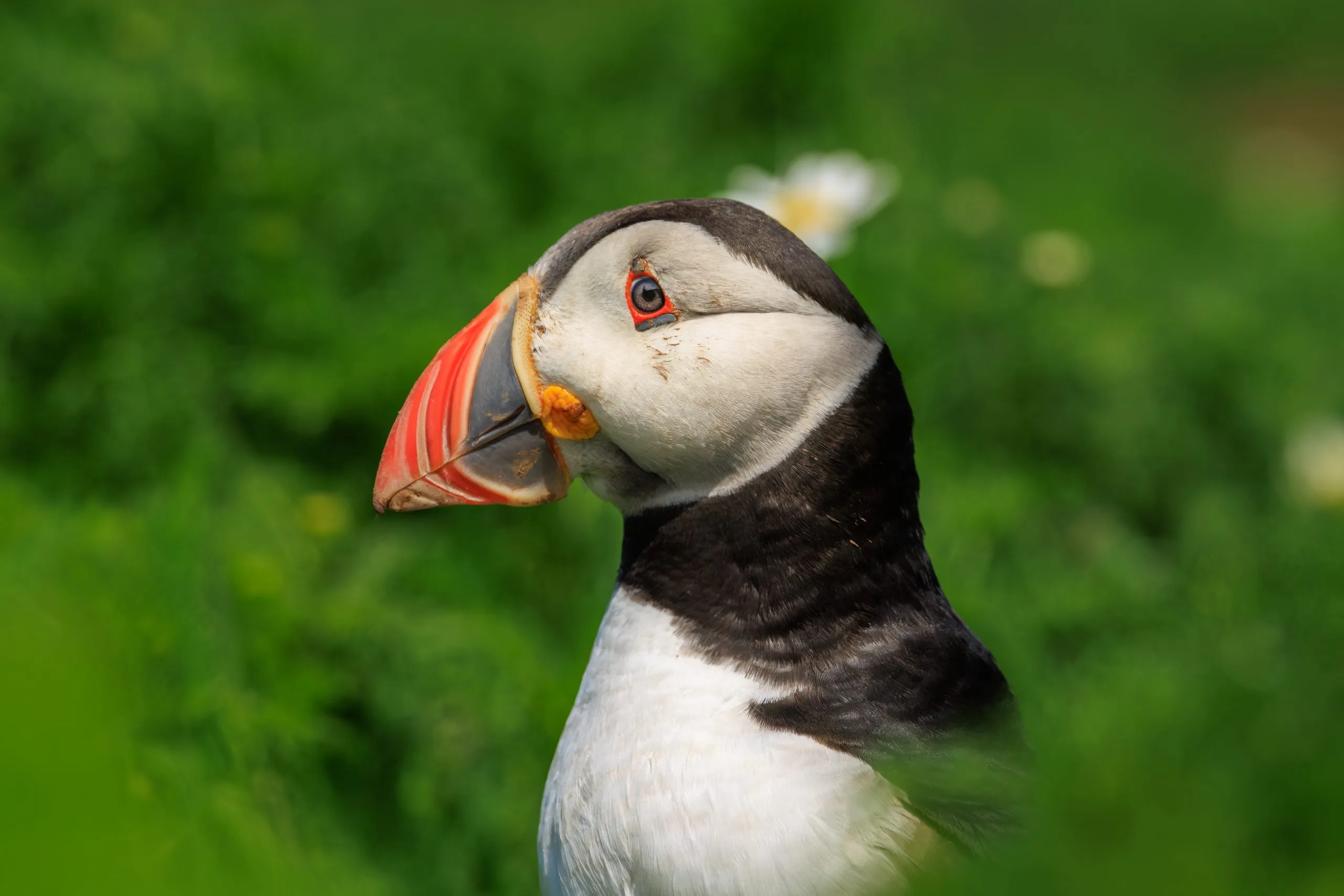
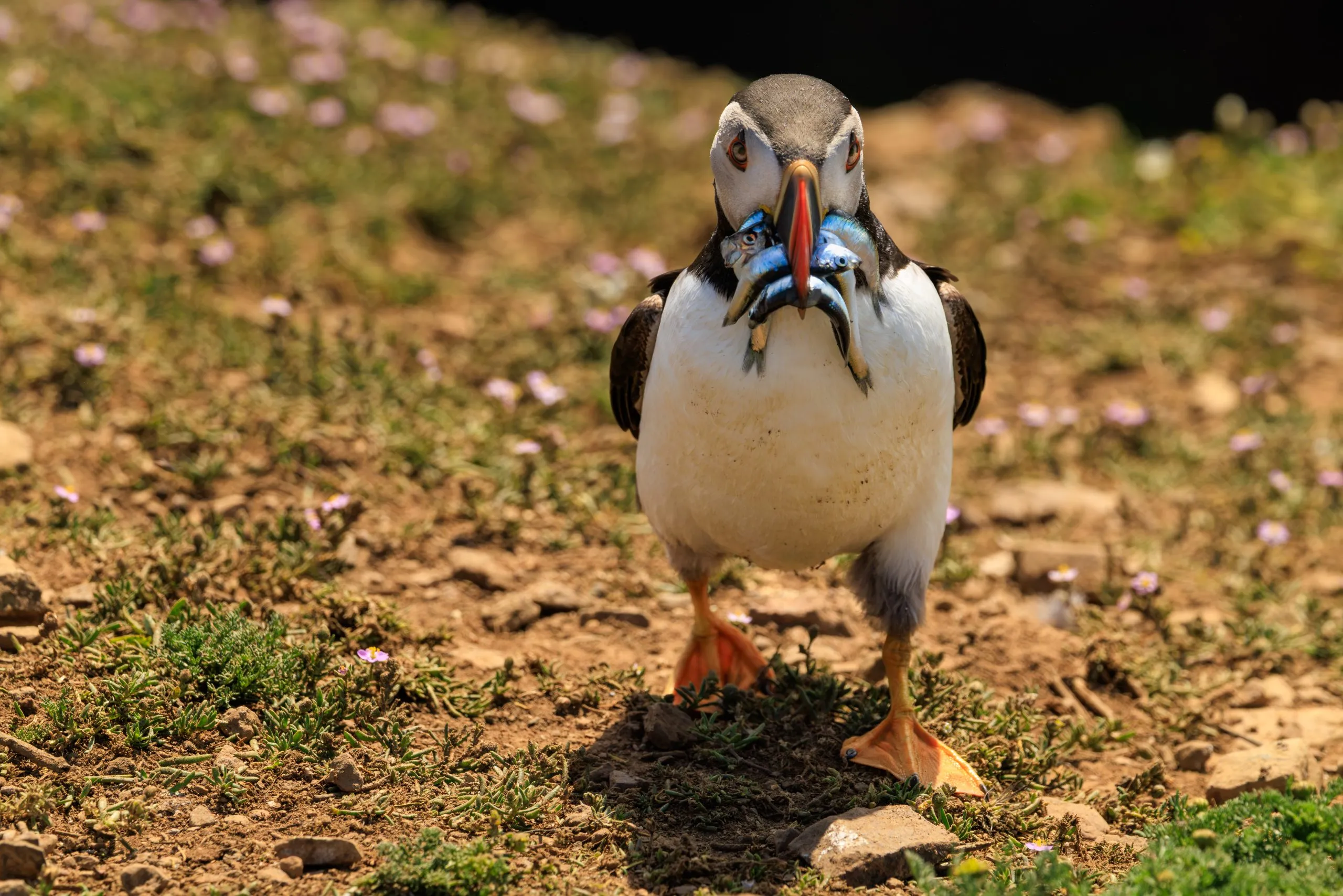
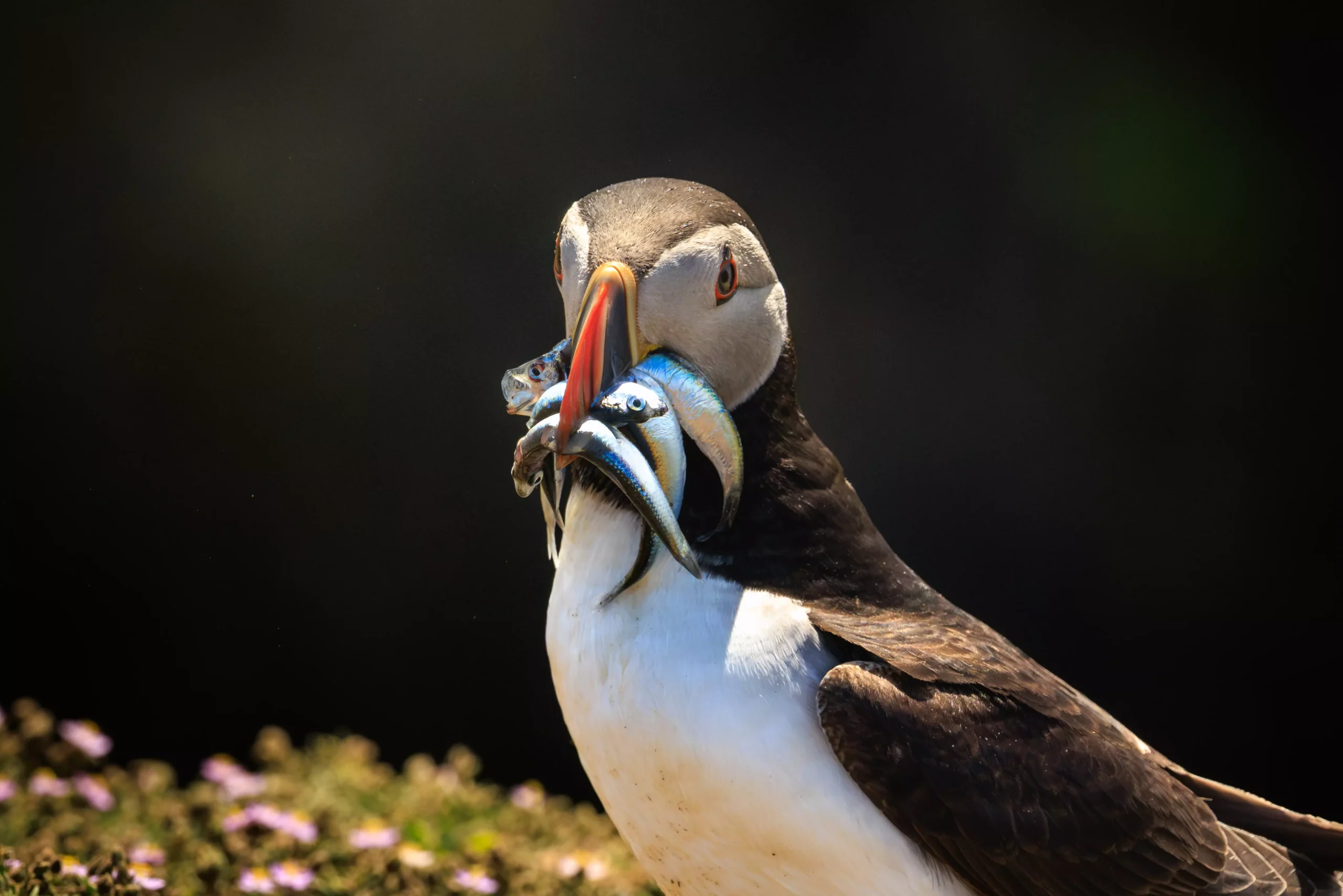
When the birds land successfully, they often pause on the sun-warmed rocky slopes, offering a moment to document the rich rewards of the deep Atlantic currents. The metallic scales of fresh sand eels catch the direct sunlight, casting tiny reflections against the bird's white cheeks. These tight, portrait compositions reveal the complex mechanics of the puffin bill, which is uniquely hinged to clamp multiple fish securely without crushing them. It is a landscape of abundance and survival, forcing the storyteller to focus on the fine details of the catch as much as the overall majesty of the coastal view.
The Dynamics of Island Life

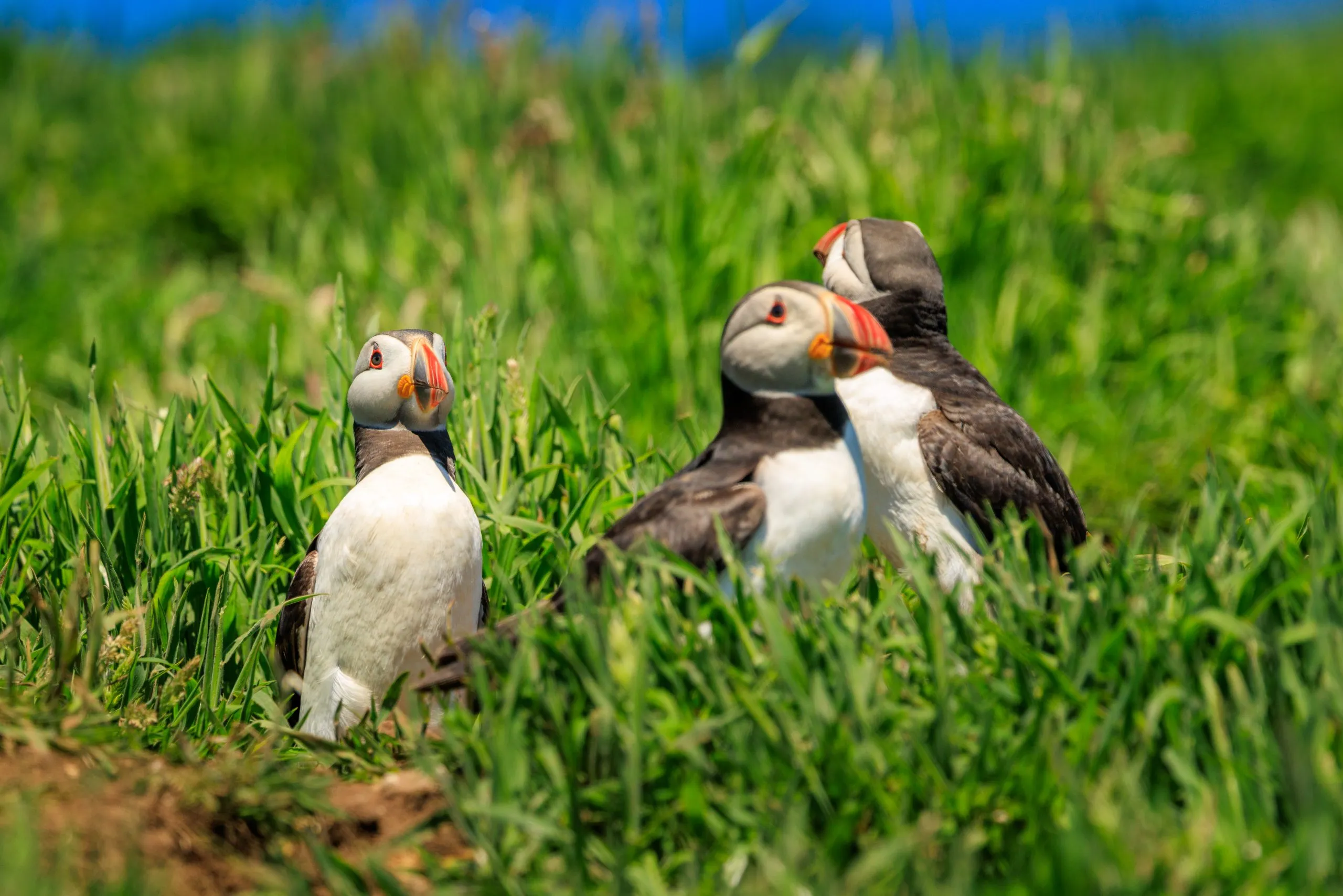
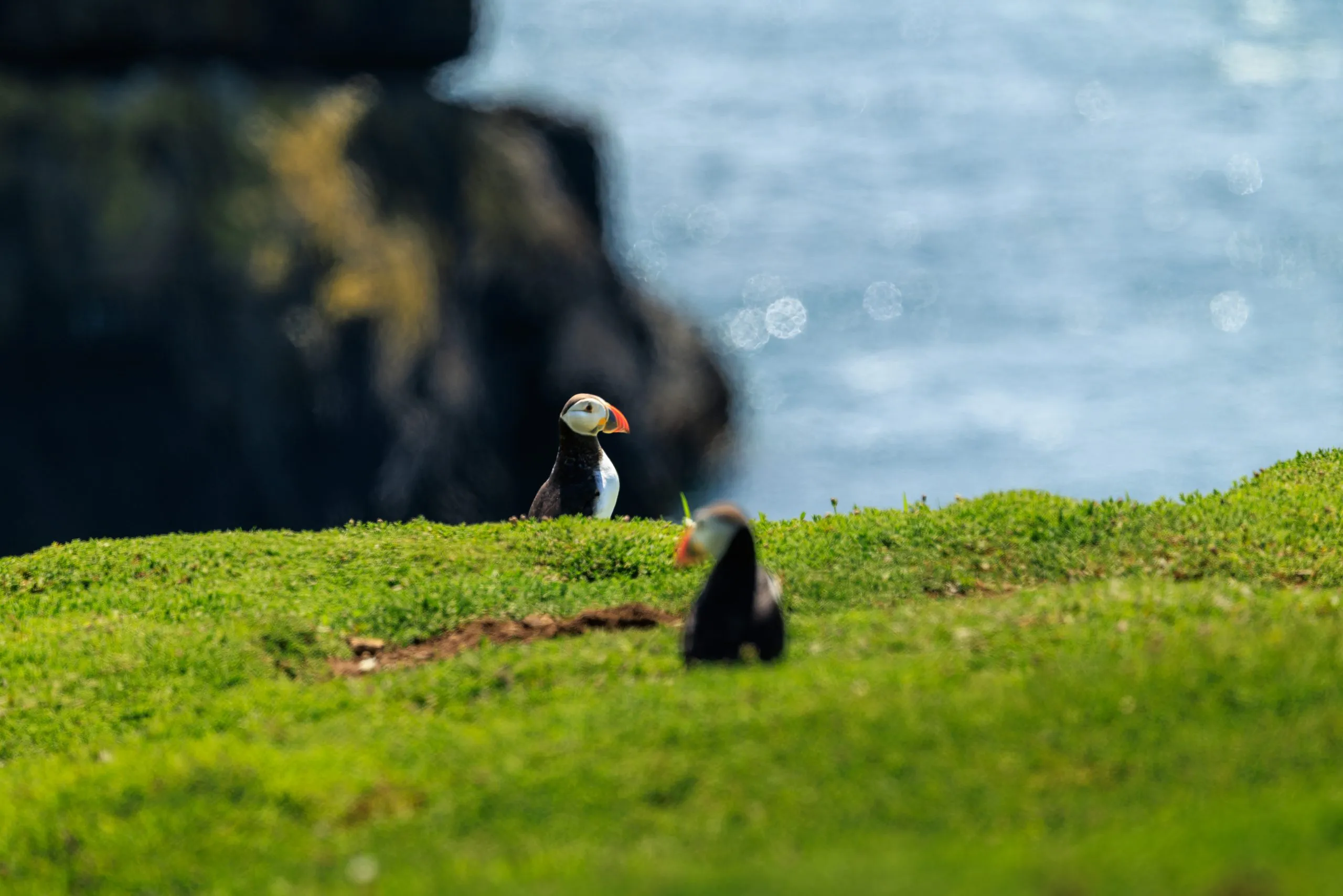
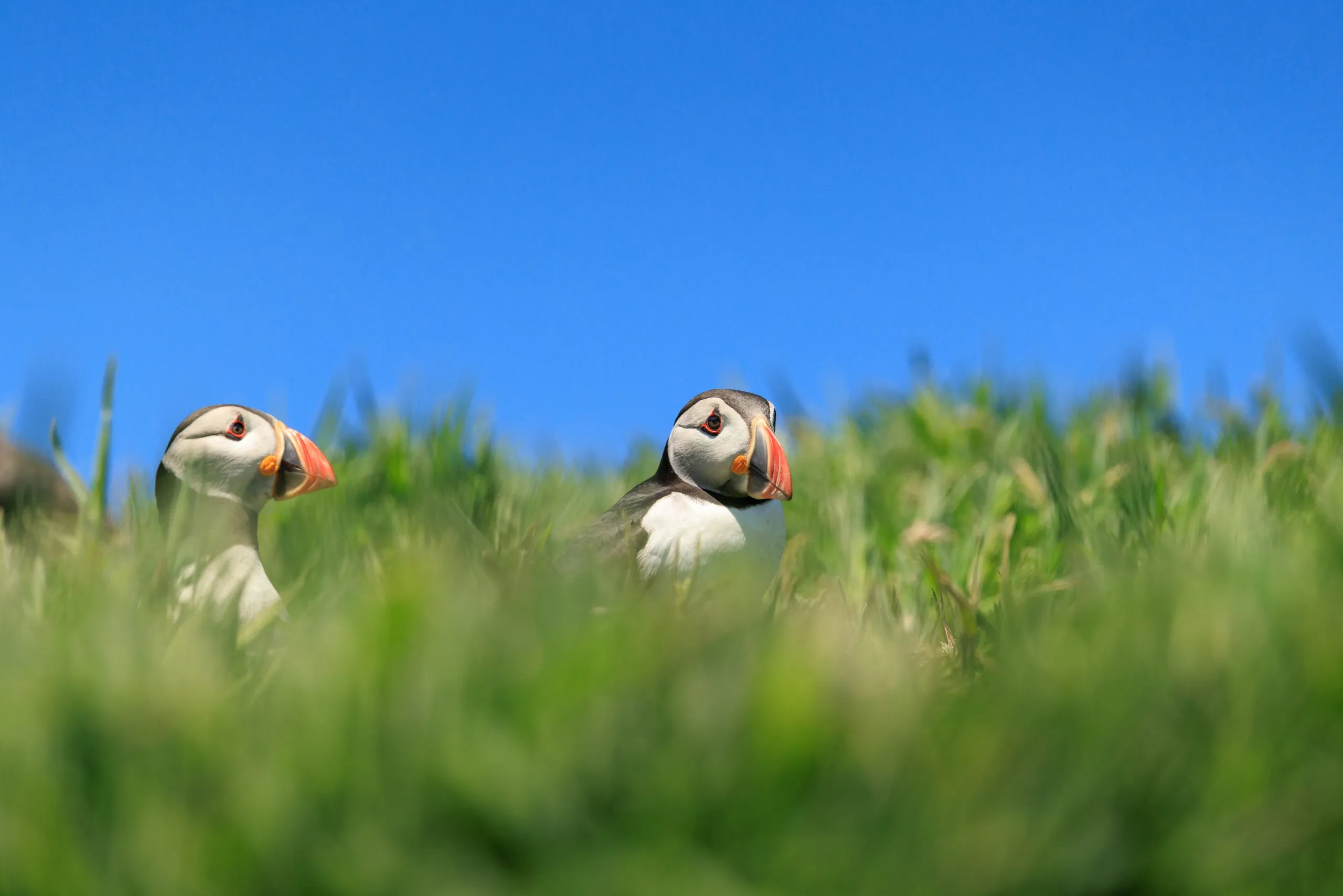
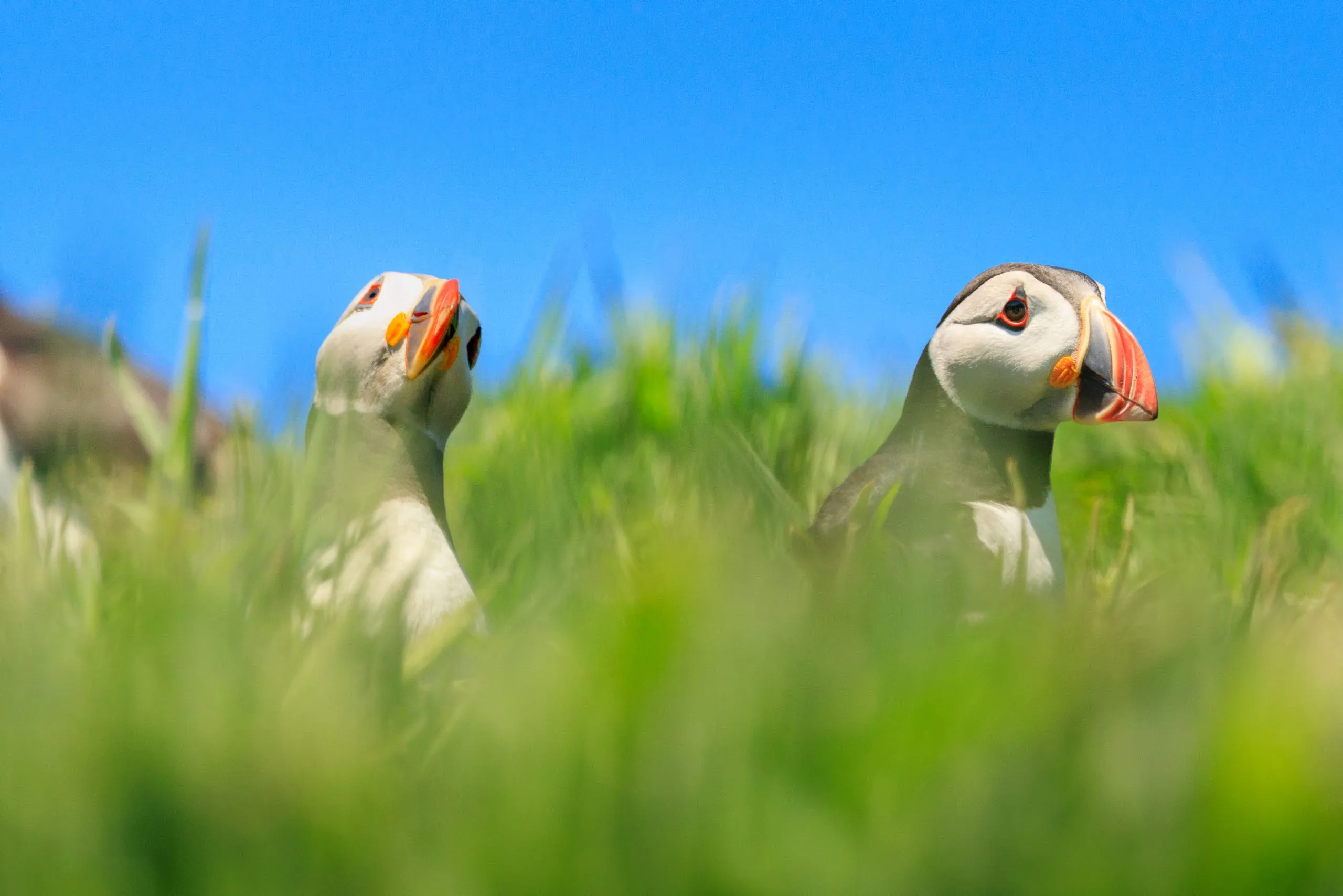
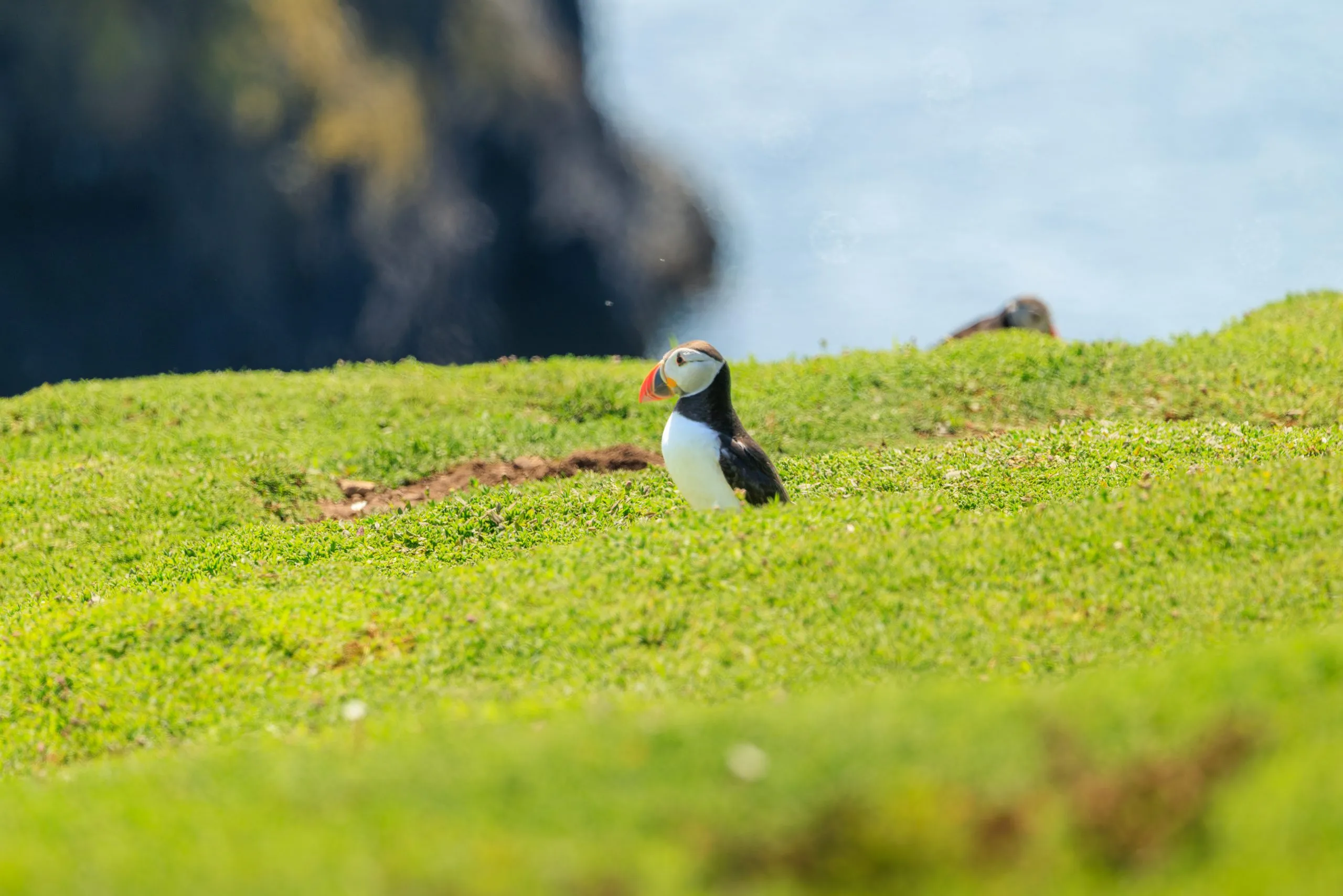
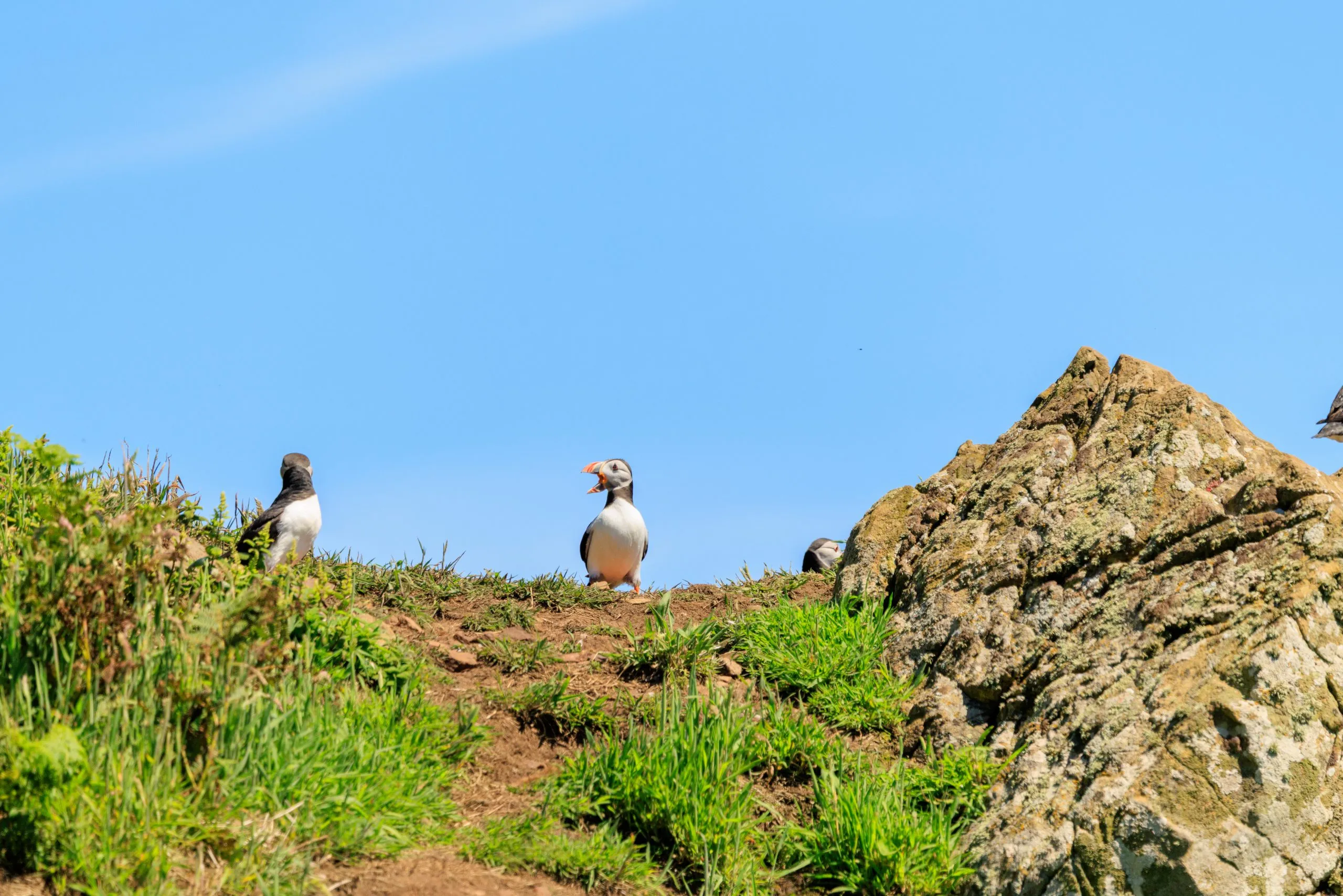
As the afternoon transitions into evening, the social dynamics of the colony come to the forefront of the visual narrative. Individual birds gather in small clusters along the grassy ridges, engaging in intricate communication rituals such as billing, where pairs gently tap their beaks together to reinforce their lifelong bonds. These moments of quiet tenderness, framed against an immense, solid blue sky or the soft green blur of distant pastures, provide an emotional core to any wildlife gallery.

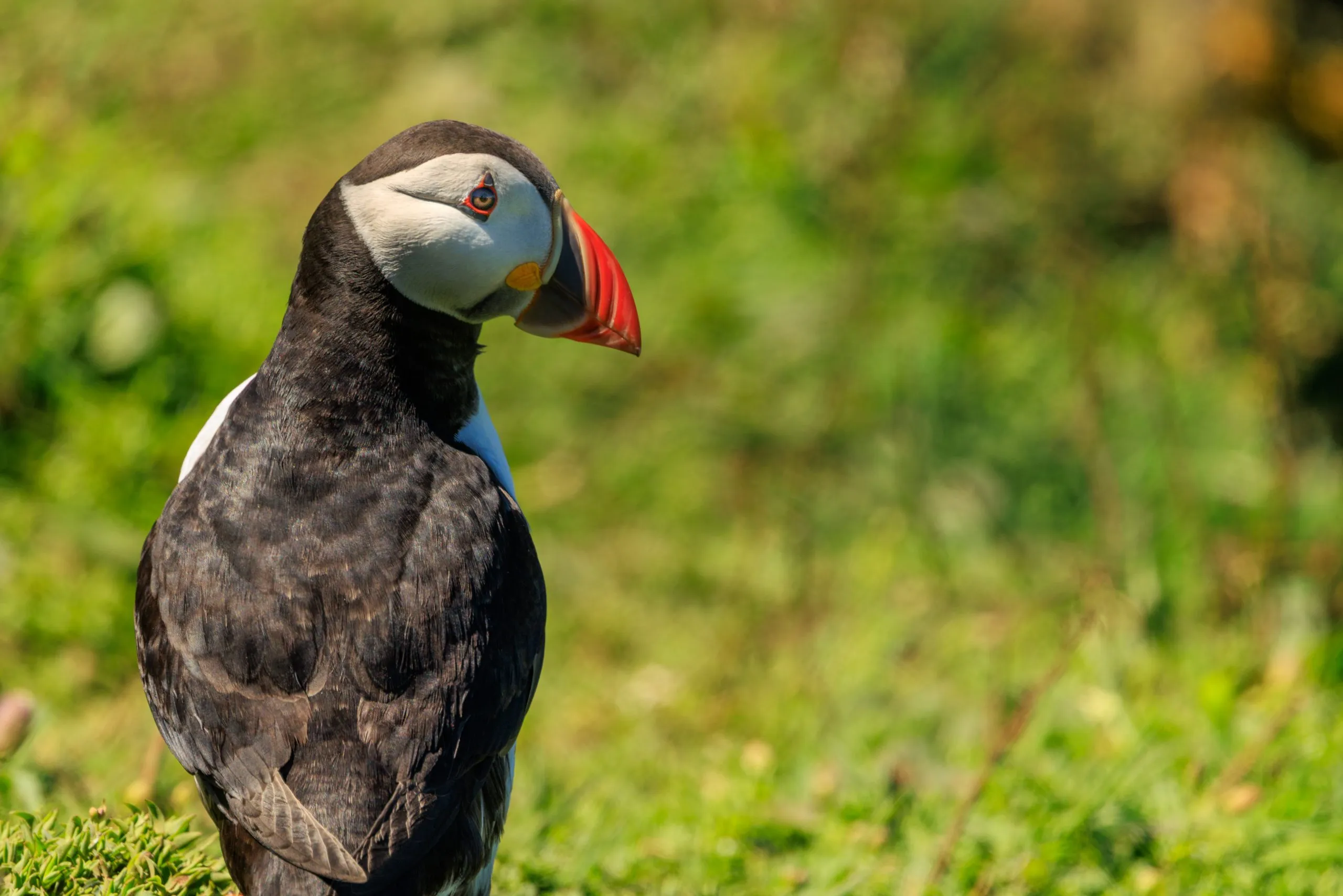
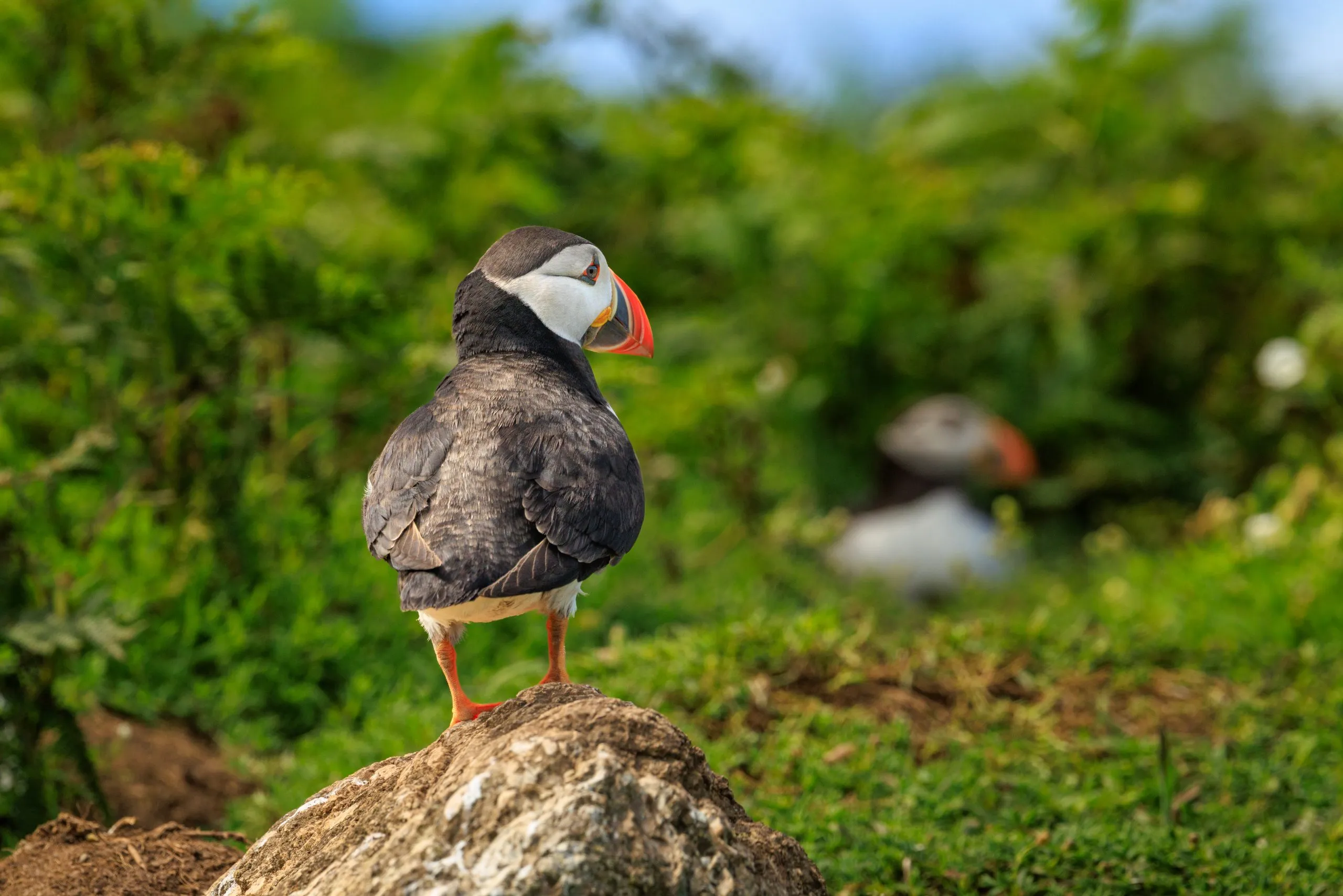
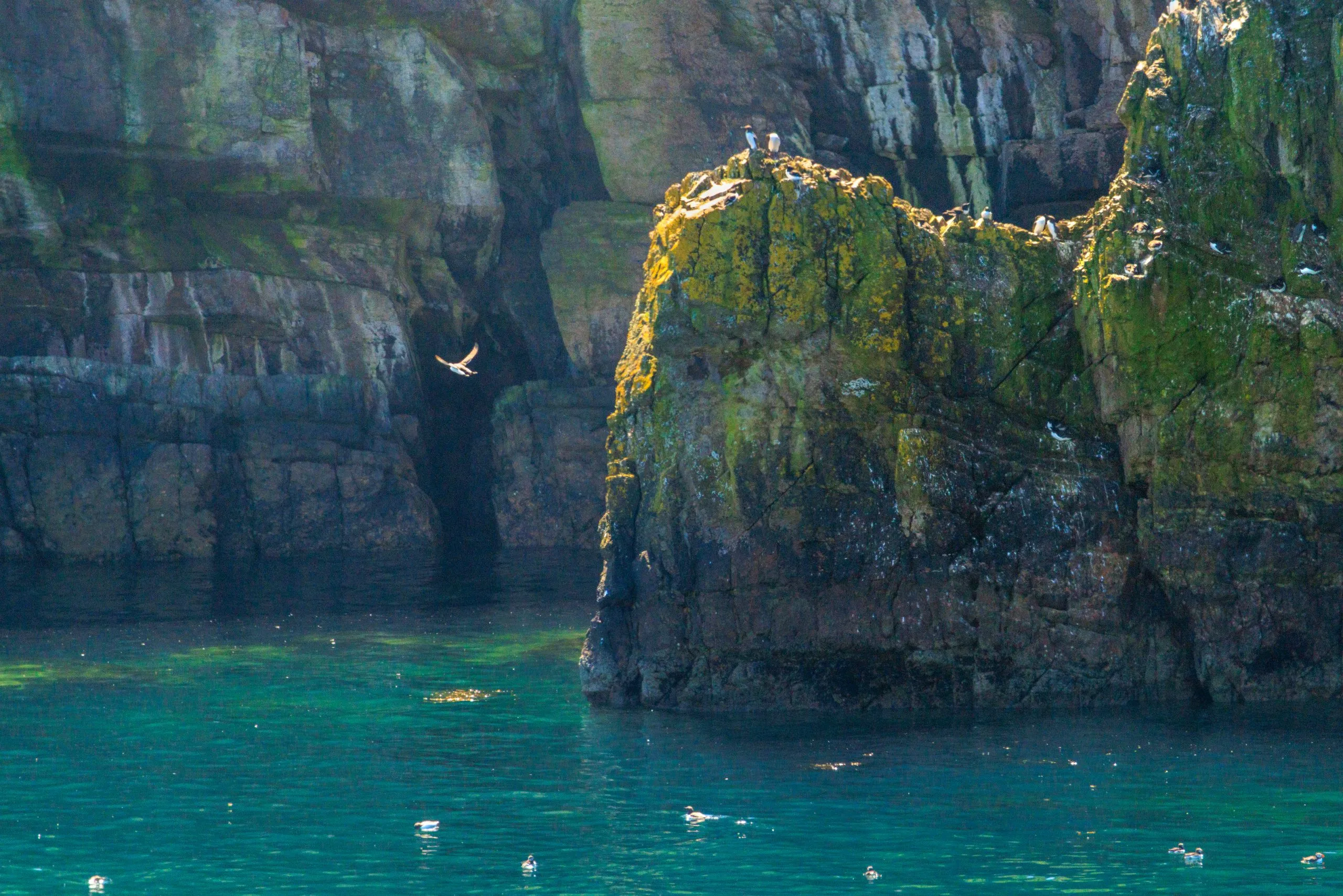
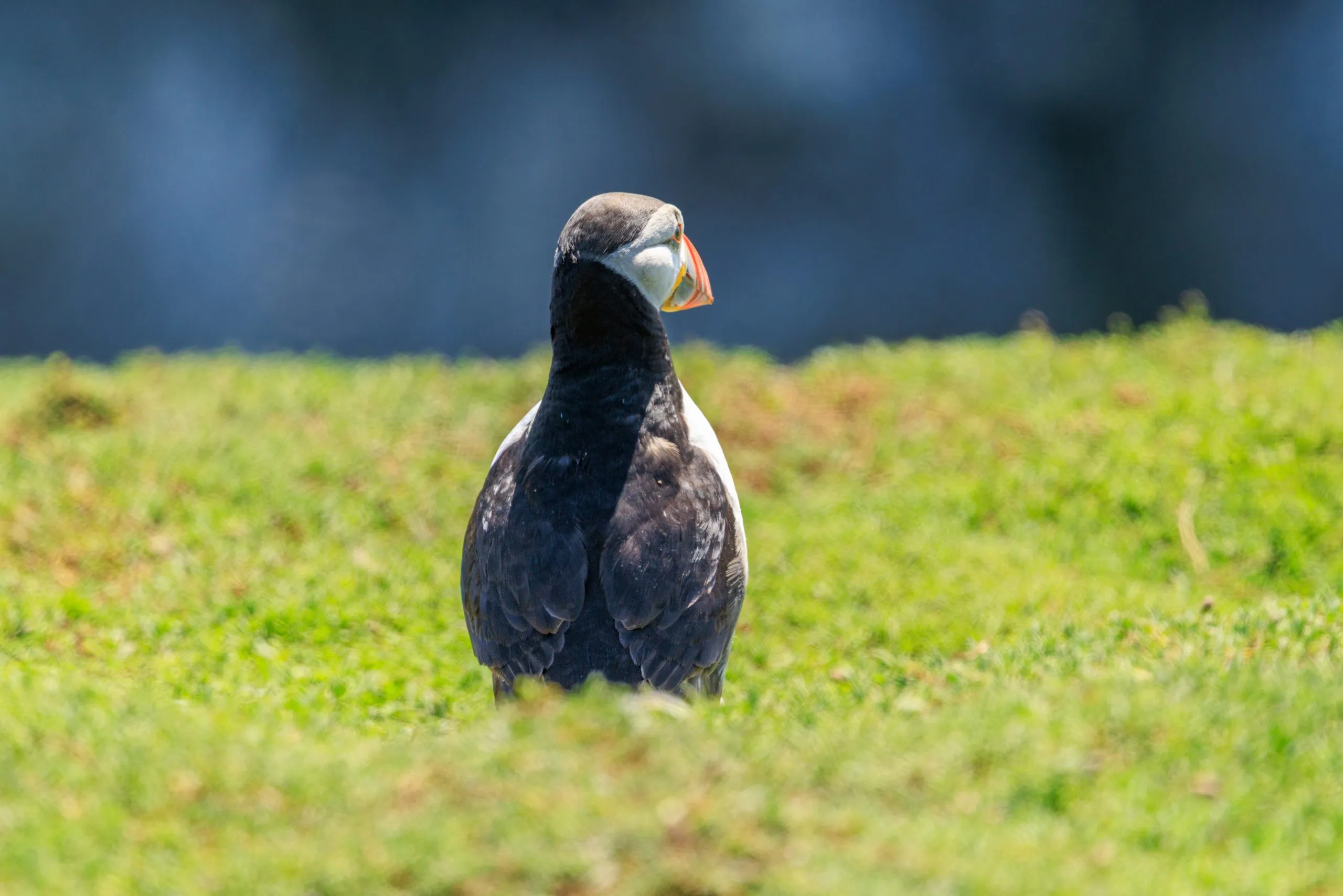
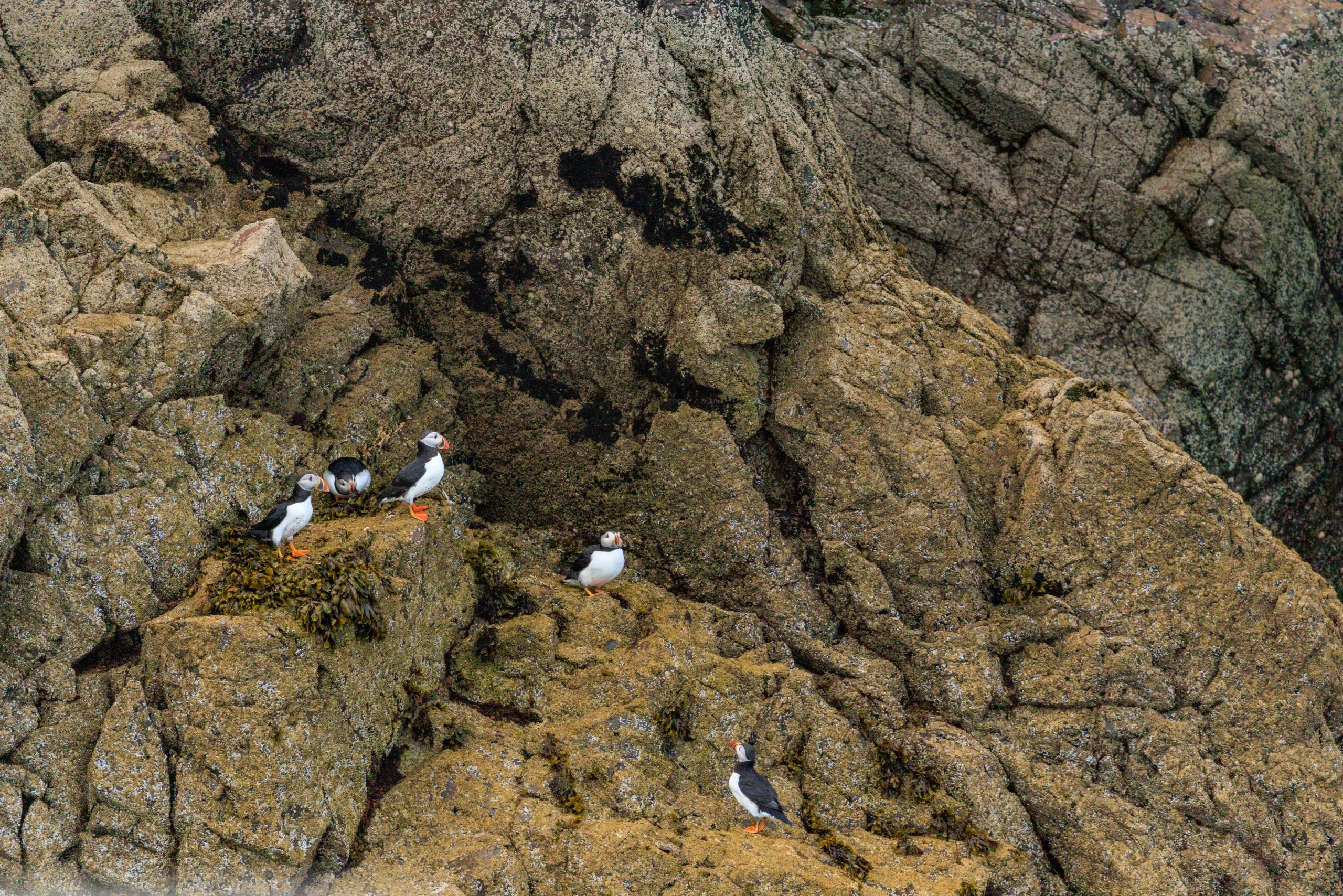
Further along the clifftops, the presence of neighbouring species adds a layer of complexity to the environment. Razorbills and guillemots jostle for space on the narrower, bare rock ledges, while predatory gulls patrol the skies above, waiting to intercept a successful hunter returning with food. This tension is palpable, and capturing a bird standing defiant on a jagged peak, looking back over its shoulder with an alert, crimson-rimmed eye, tells a story of constant vigilance. The contrast between the soft, inviting textures of the summer grass and the sharp, unforgiving lines of the hunting birds creates a compelling friction within the frame.

The interaction between the final rays of daylight and the local terrain creates a fleeting, magical window of opportunity. The low-angle light illuminates the clifftops with a rich, flattering glow that makes the texture of every feather and lichen spore stand out. The silhouettes of birds resting on high ridges create clean, iconic shapes against the fading sky, while the ocean below transitions through shades of turquoise, deep navy, and slate grey. It is a deeply rewarding time to explore the interface between the animal kingdom and the ancient geology of the island, documenting how the light unifies the entire ecosystem.

The Reward of Patient Observation

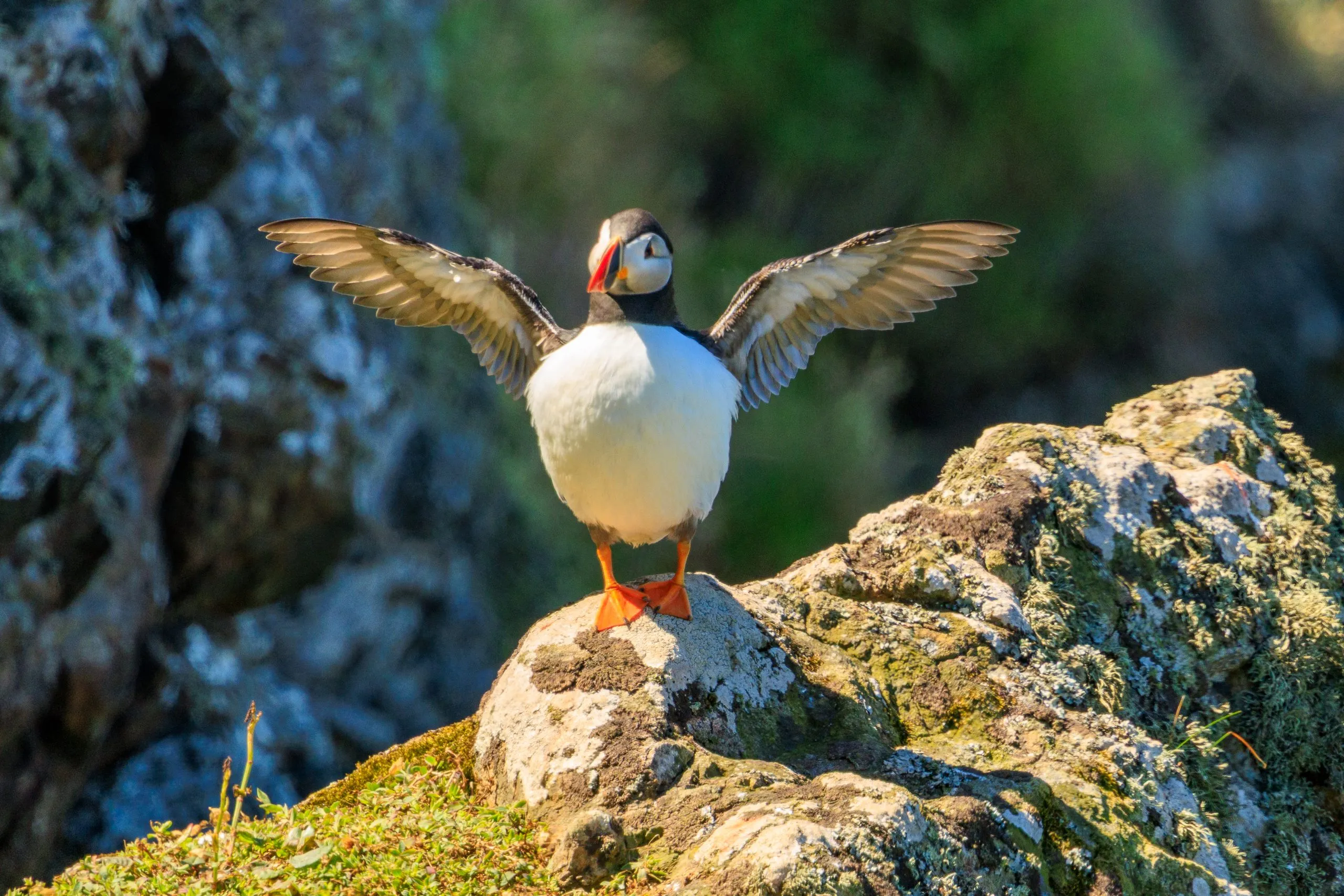
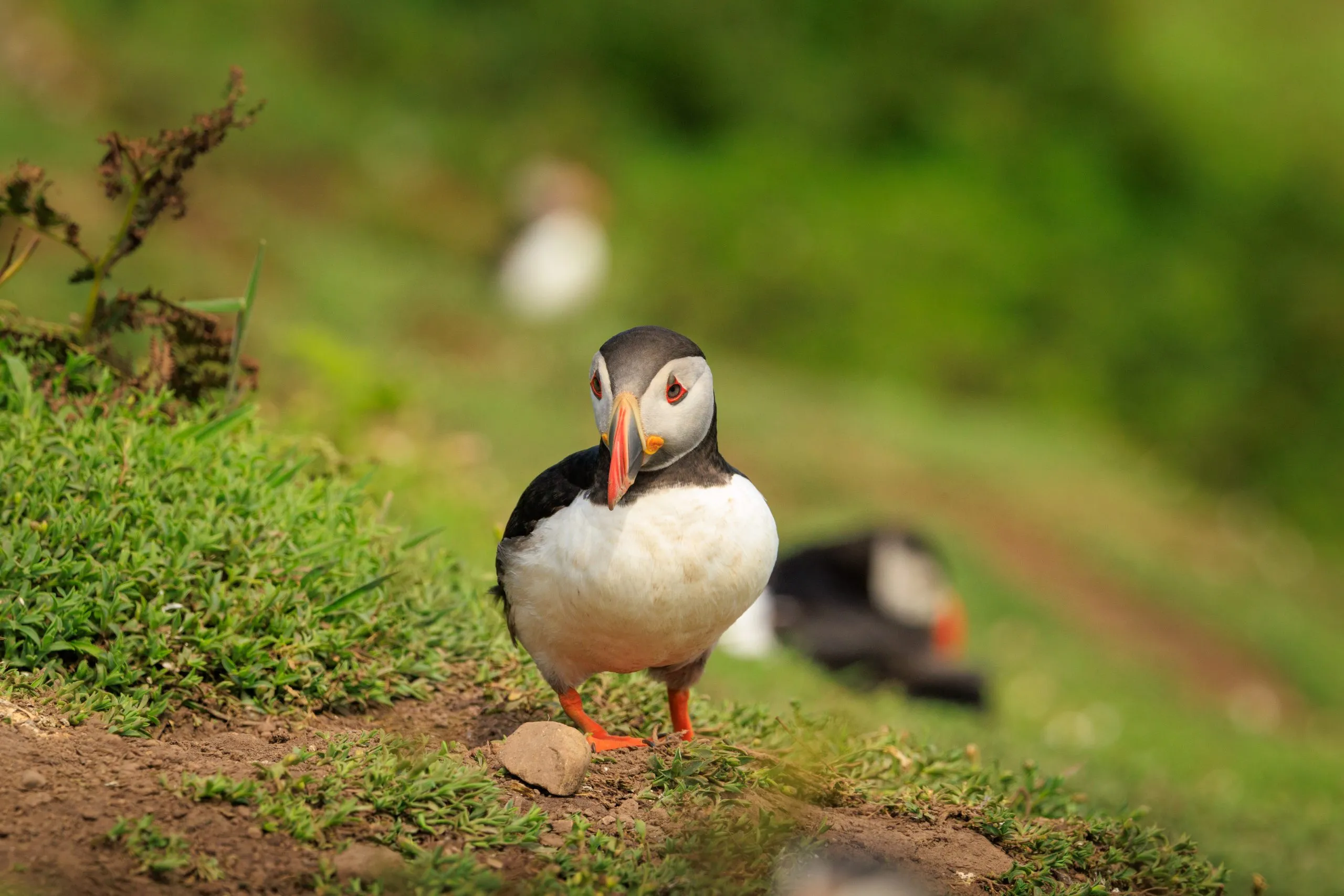
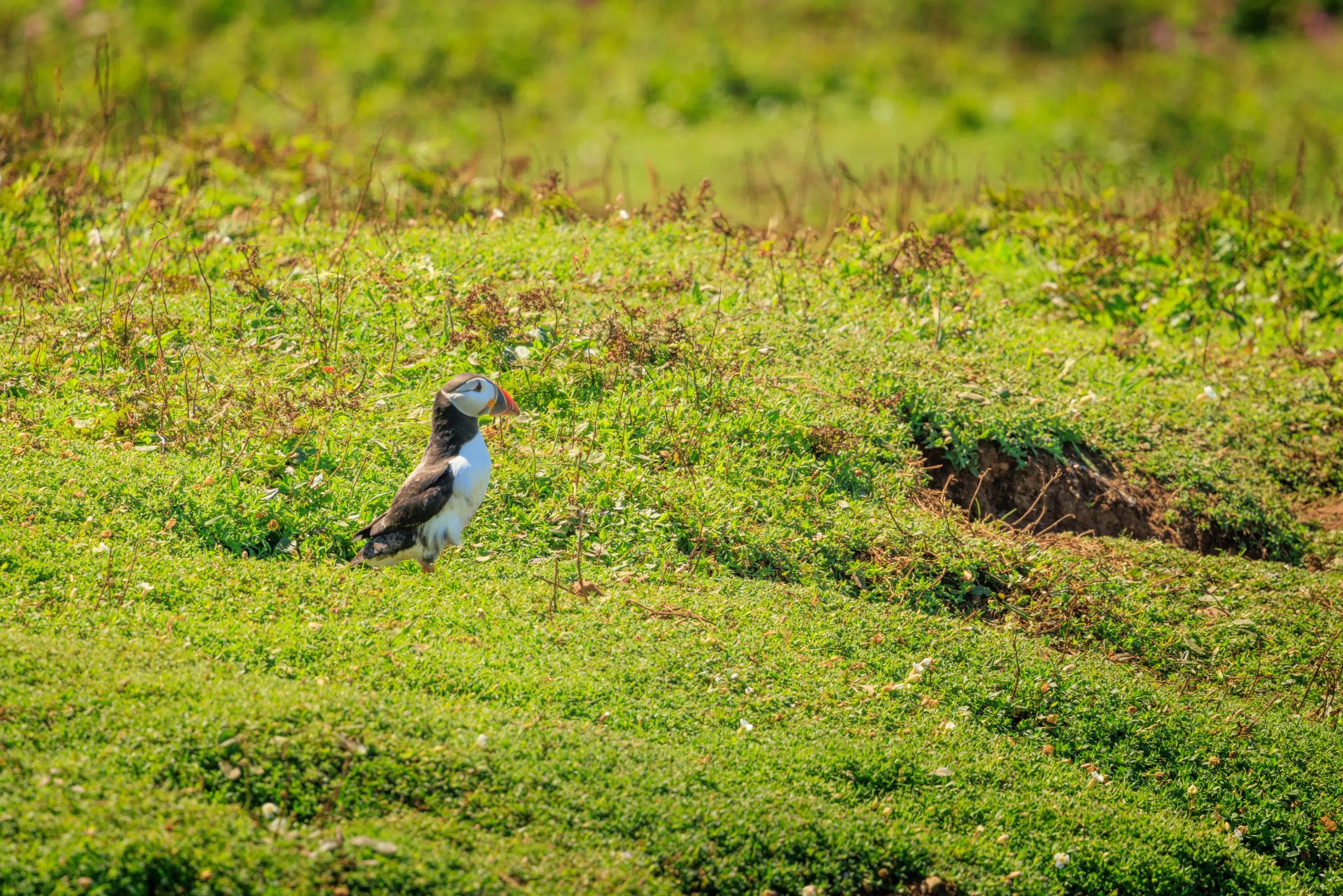
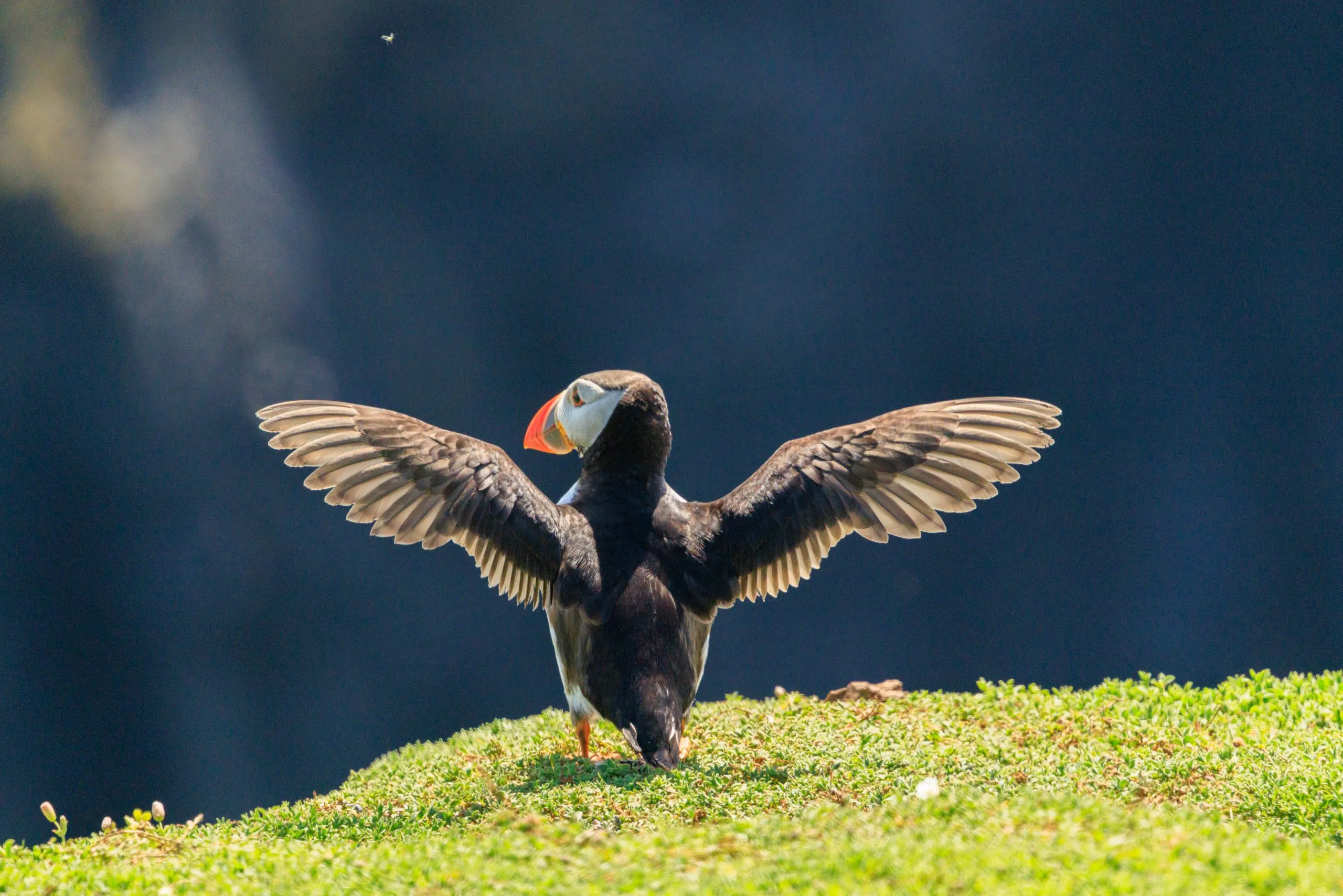
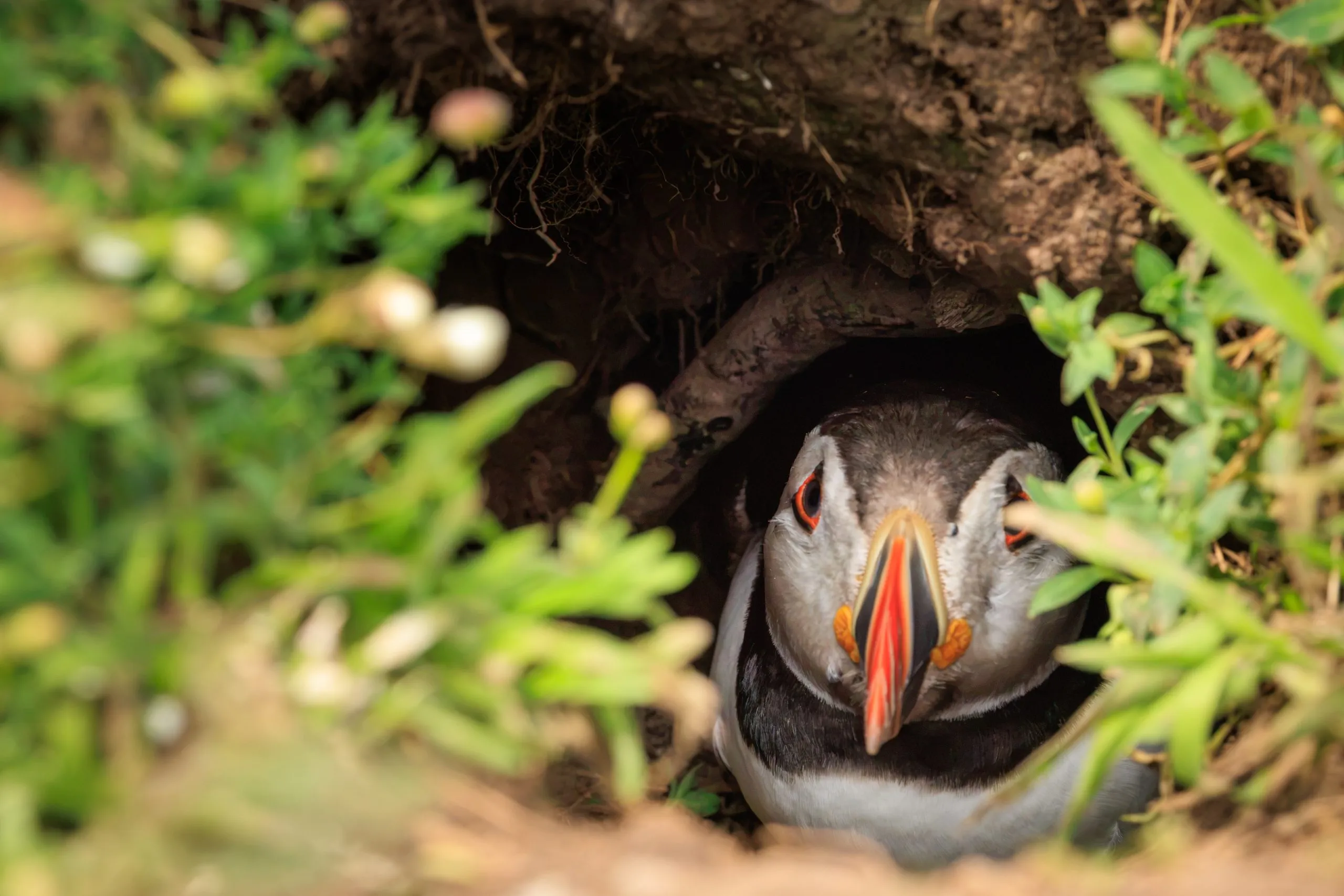
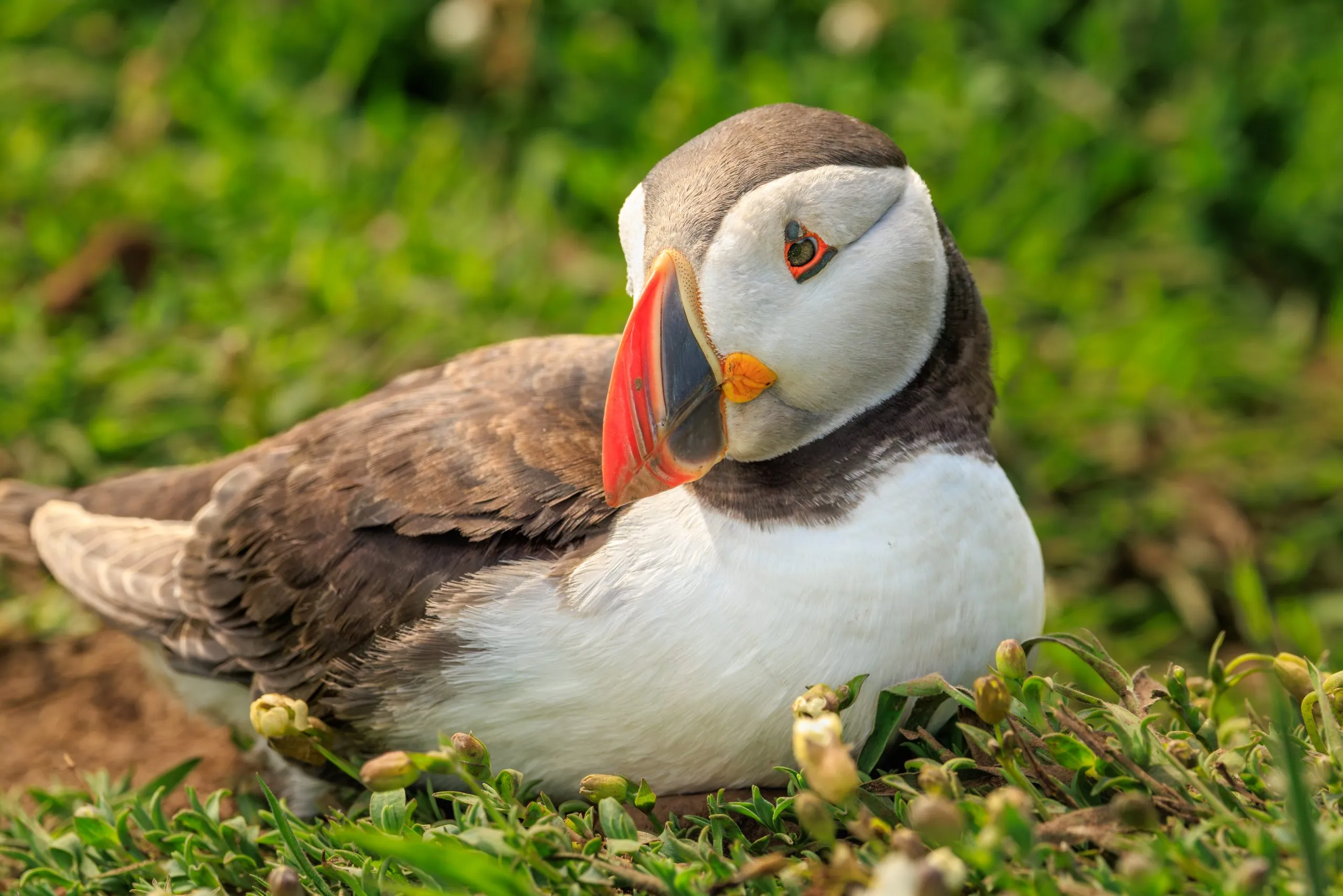
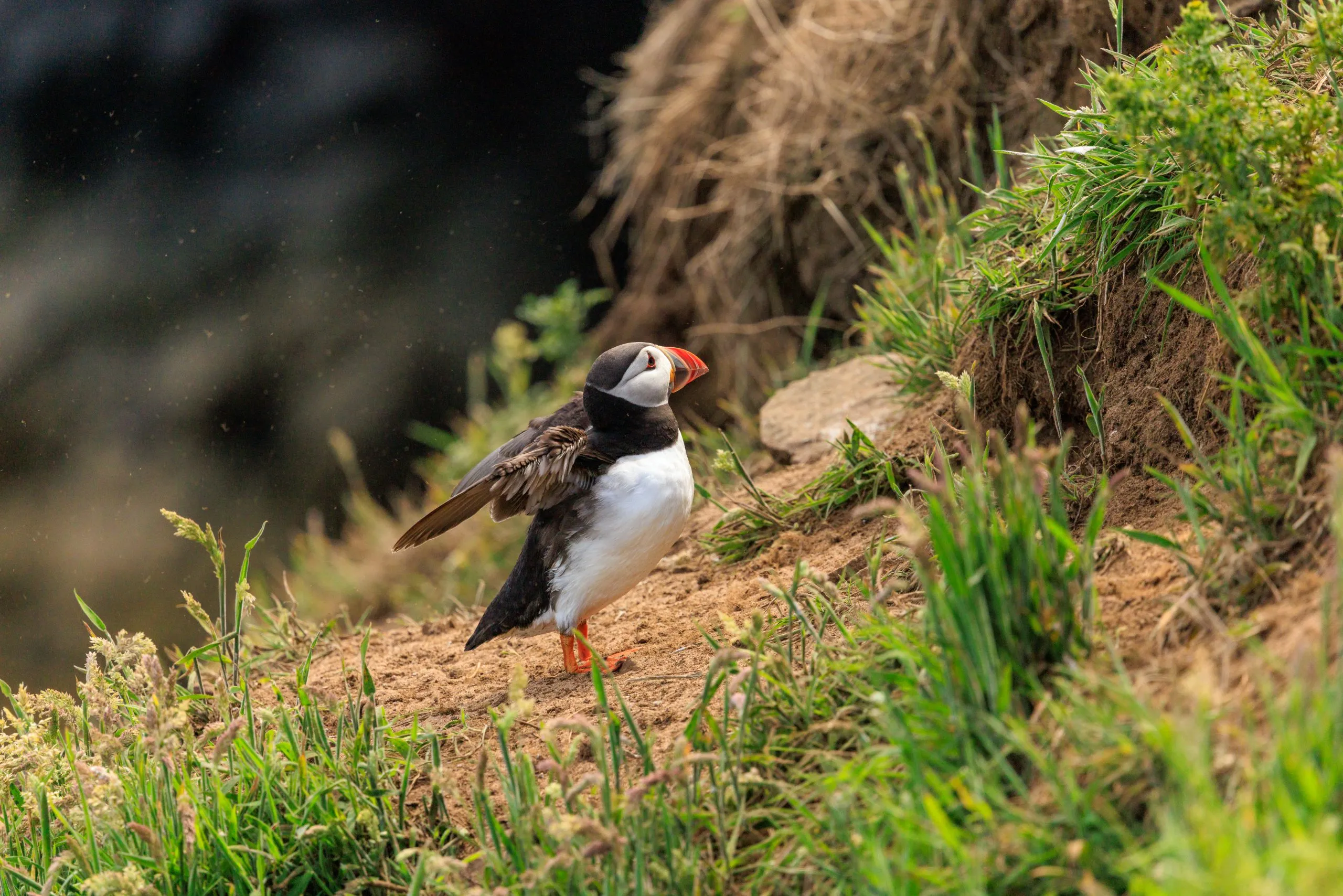
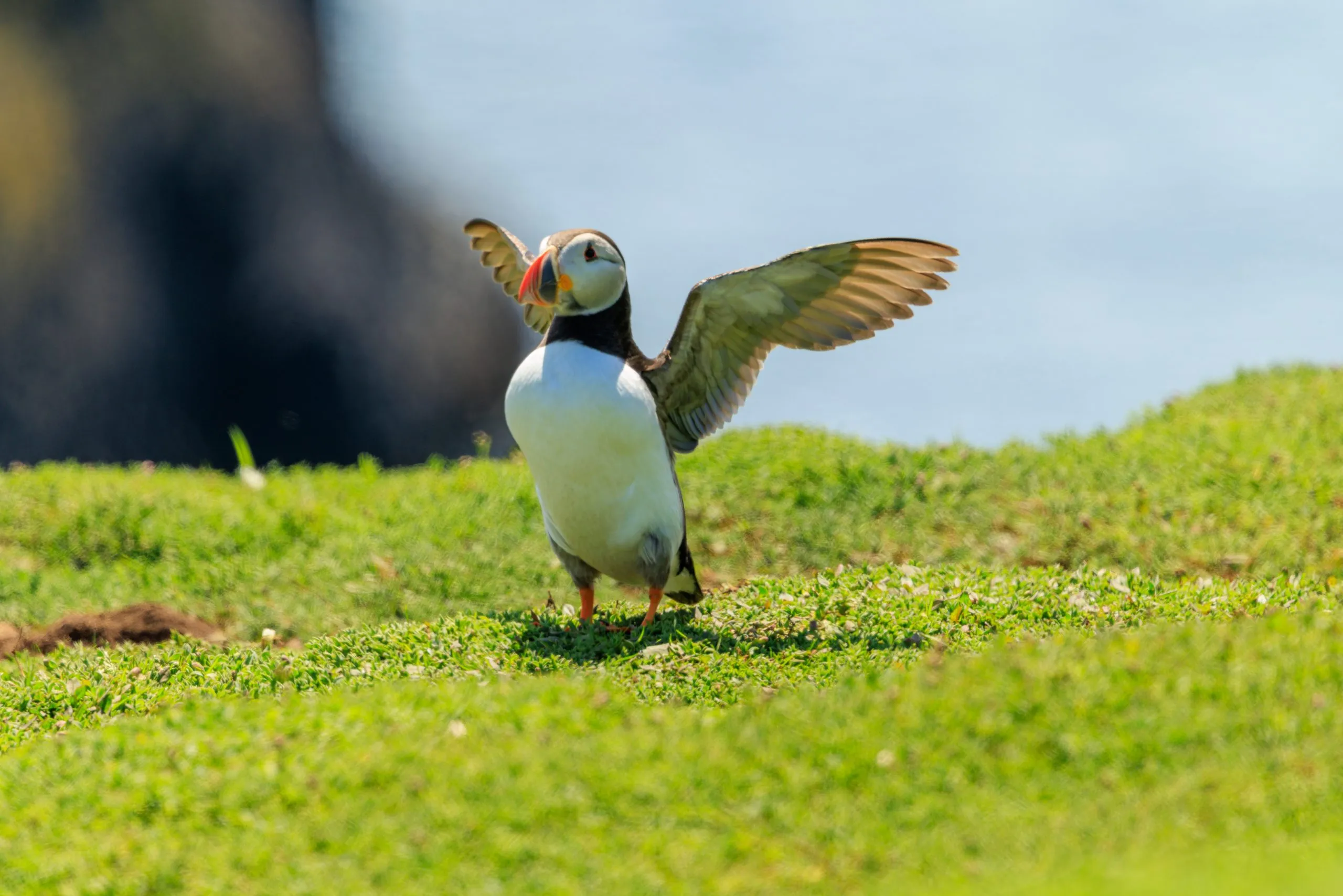
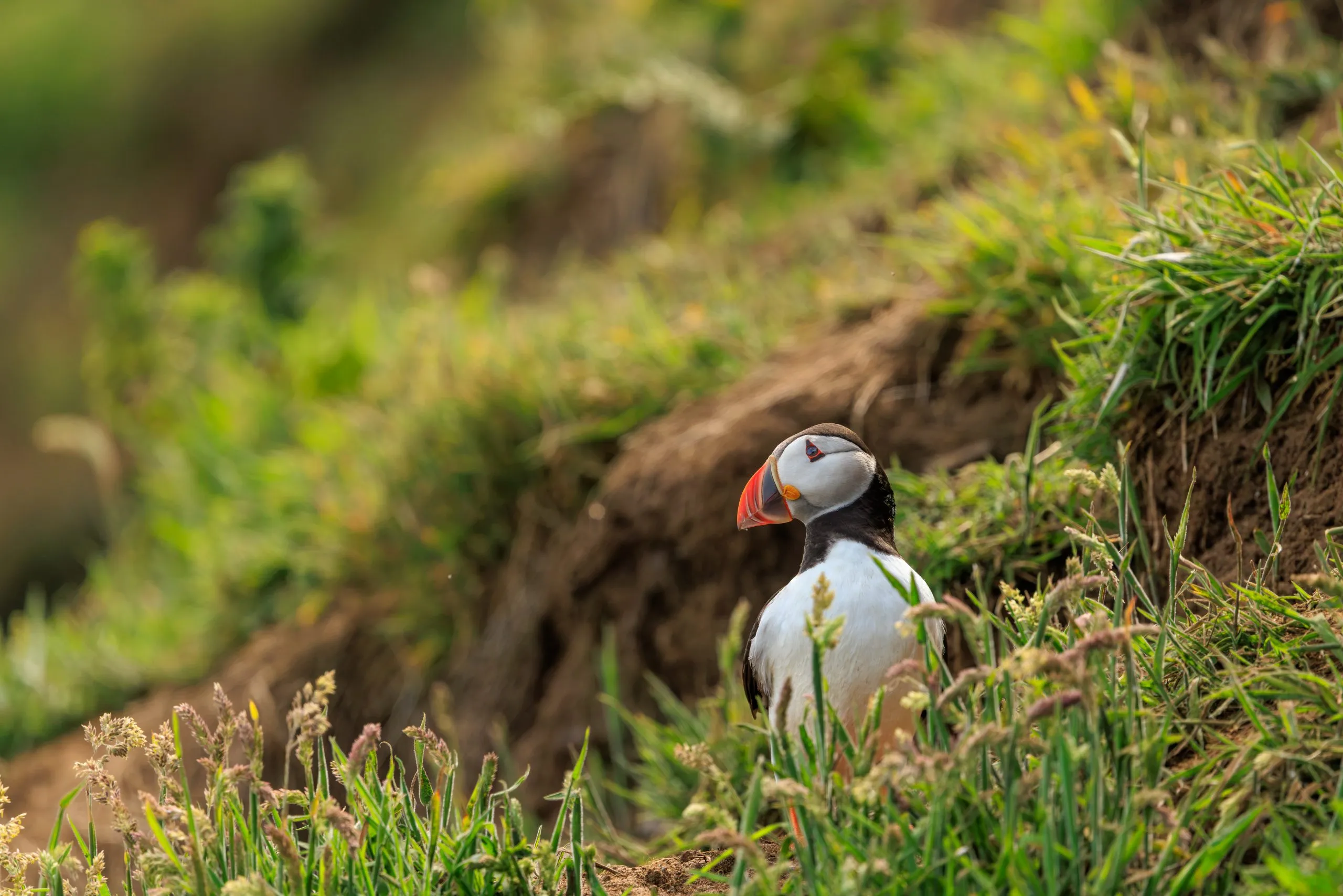
To truly succeed in translating the spirit of this Pembrokeshire outpost, one must embrace the practice of quiet, stationary observation. The most powerful images are not found by chasing the subjects along the paths, but by sitting quietly in one spot, allowing the natural rhythm of the colony to resume around you. In time, the birds lose all caution, stepping out from their underground burrows to preen their feathers, stretch their wings against the coastal breeze, and look directly into the camera lens with curious, intelligent gazes.

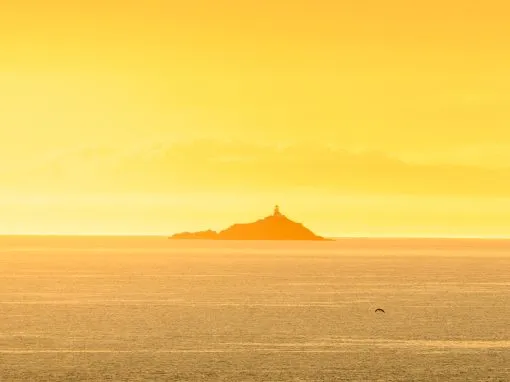
The journey back to the mainland across the choppy waters of the sound, as the island fades into a dark silhouette against the twilight sky, provides a welcome moment for reflection. The frantic energy of the colony remains behind, but the recorded images preserve that extraordinary closeness for a lifetime. This gallery page exists as a tribute to those wild hours on the cliffs, a permanent visual archive of the quiet grandeur, the vibrant colours, and the enduring resilience that unfolds where the land ends and the Atlantic begins.