Antarctica, 2023
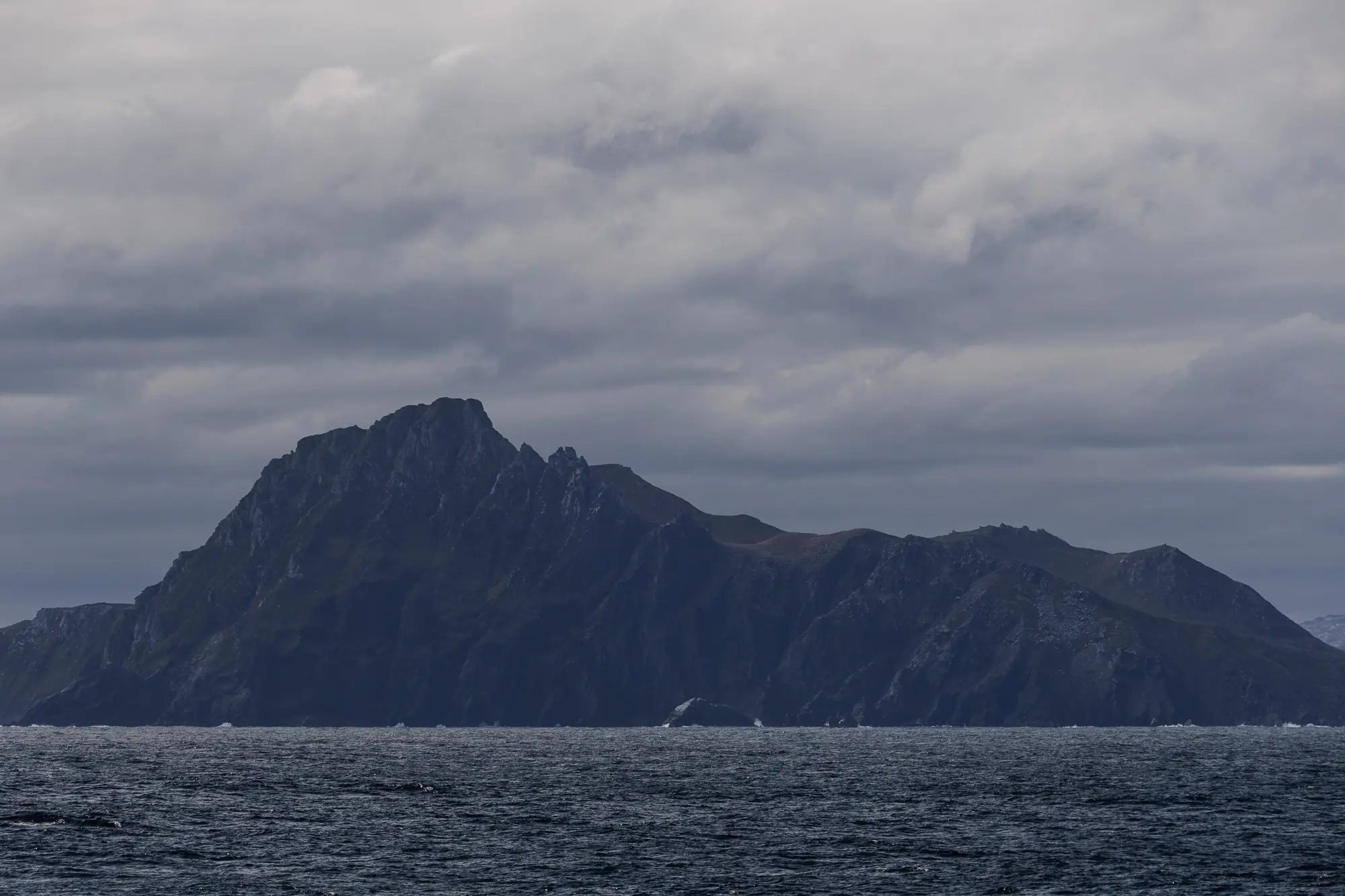
Antarctica isn't really one place so much as the furthest you can get from anywhere else, and that changes how you shoot it. There's no filling a frame with people or traffic or building facades here, just ice, water, weather, and whatever animal happens to be paying attention to you. I flew down to Ushuaia at the tip of Tierra del Fuego in mid-November, right at the start of the Southern Hemisphere's short summer, and the trip proper only began once we'd picked our way south through the Beagle Channel and the Drake Passage.
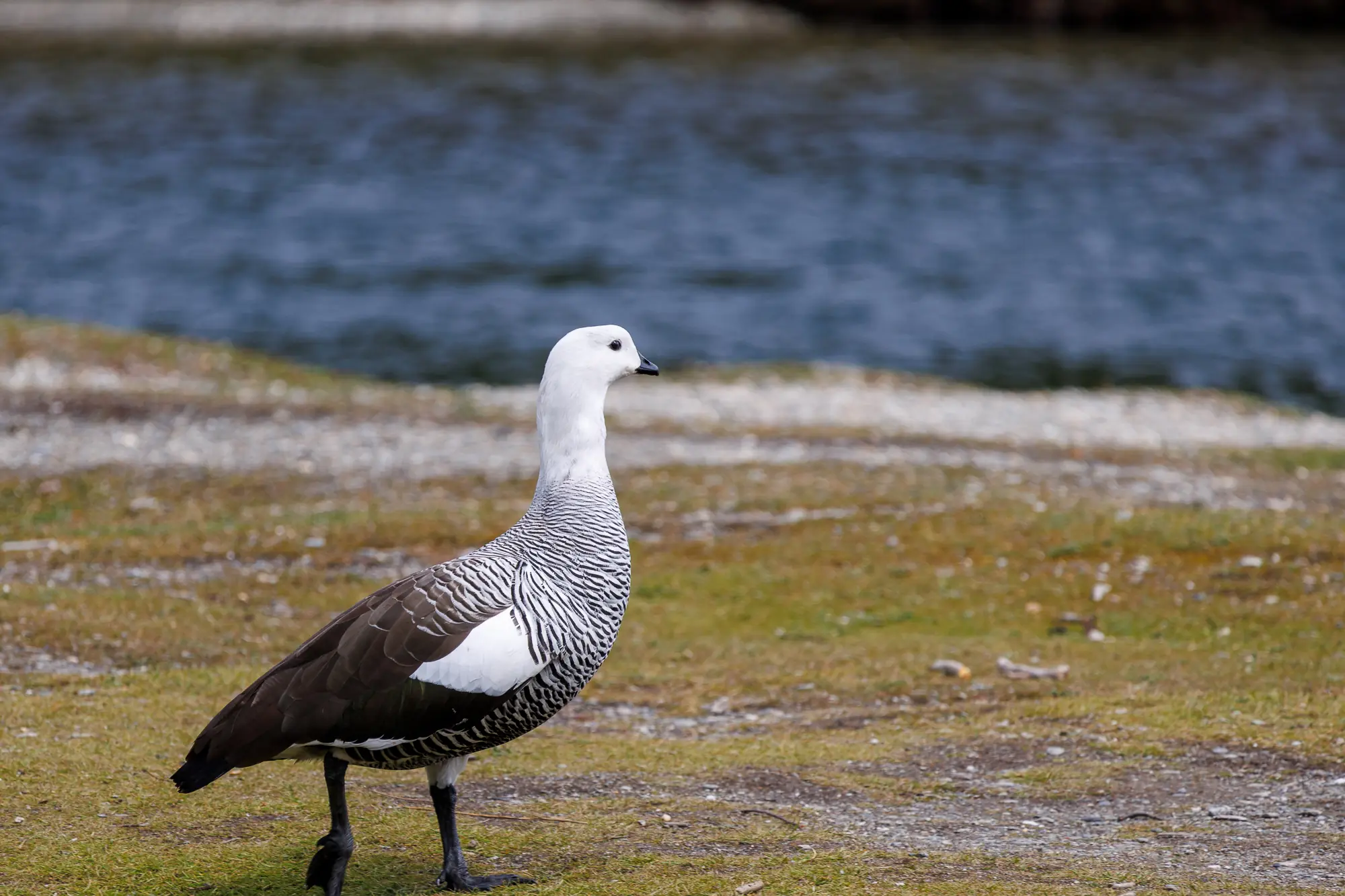
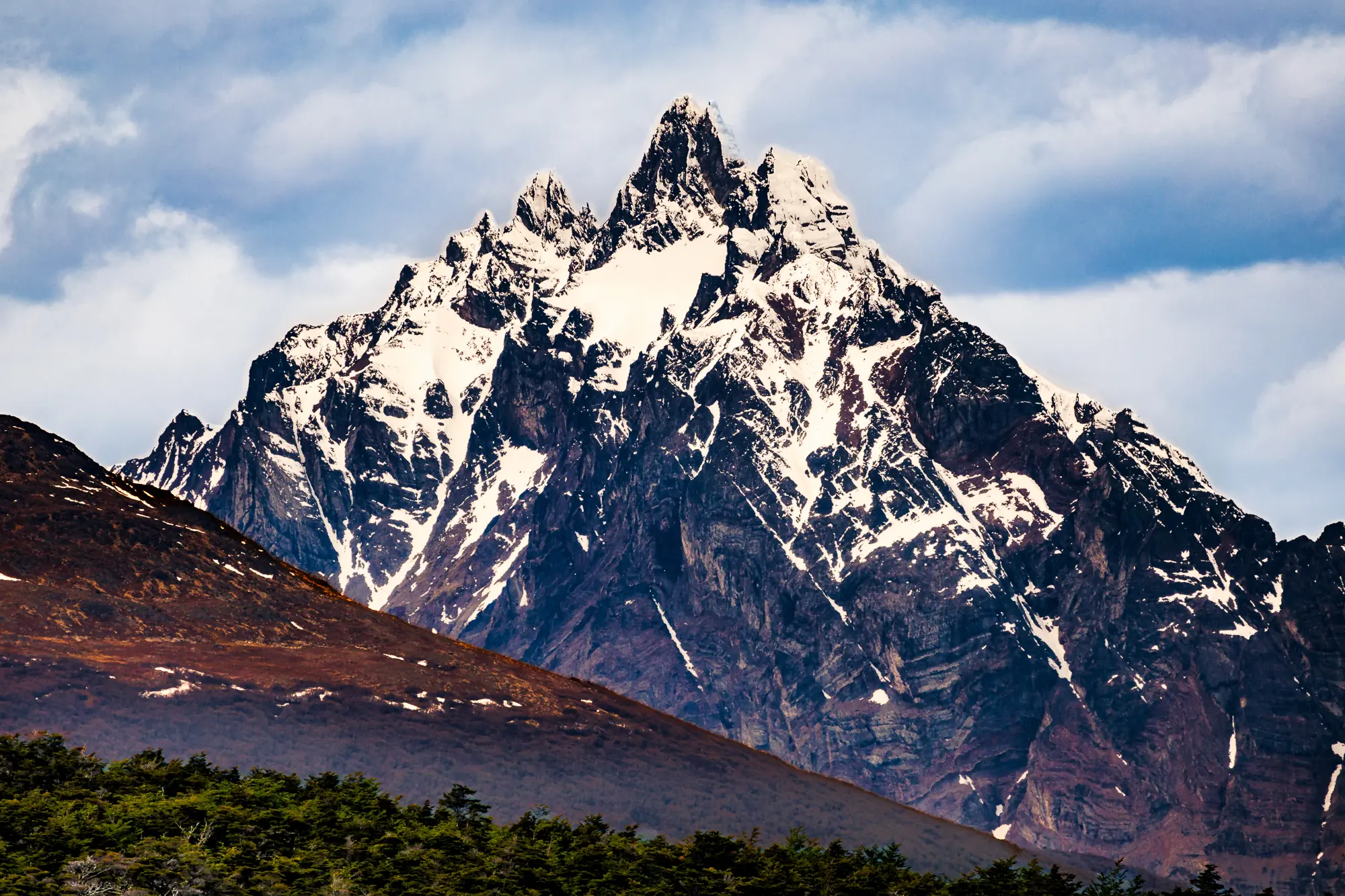
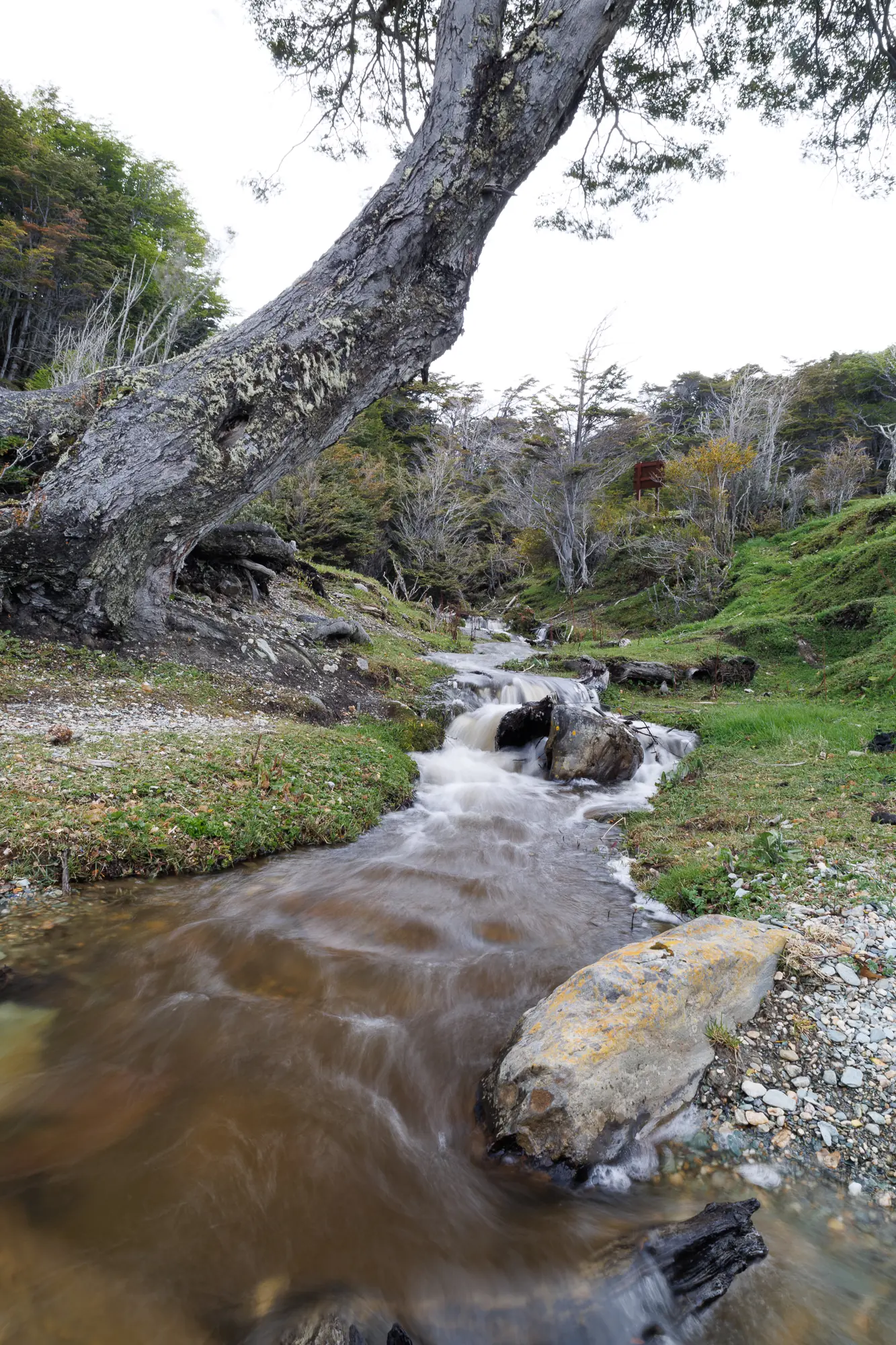
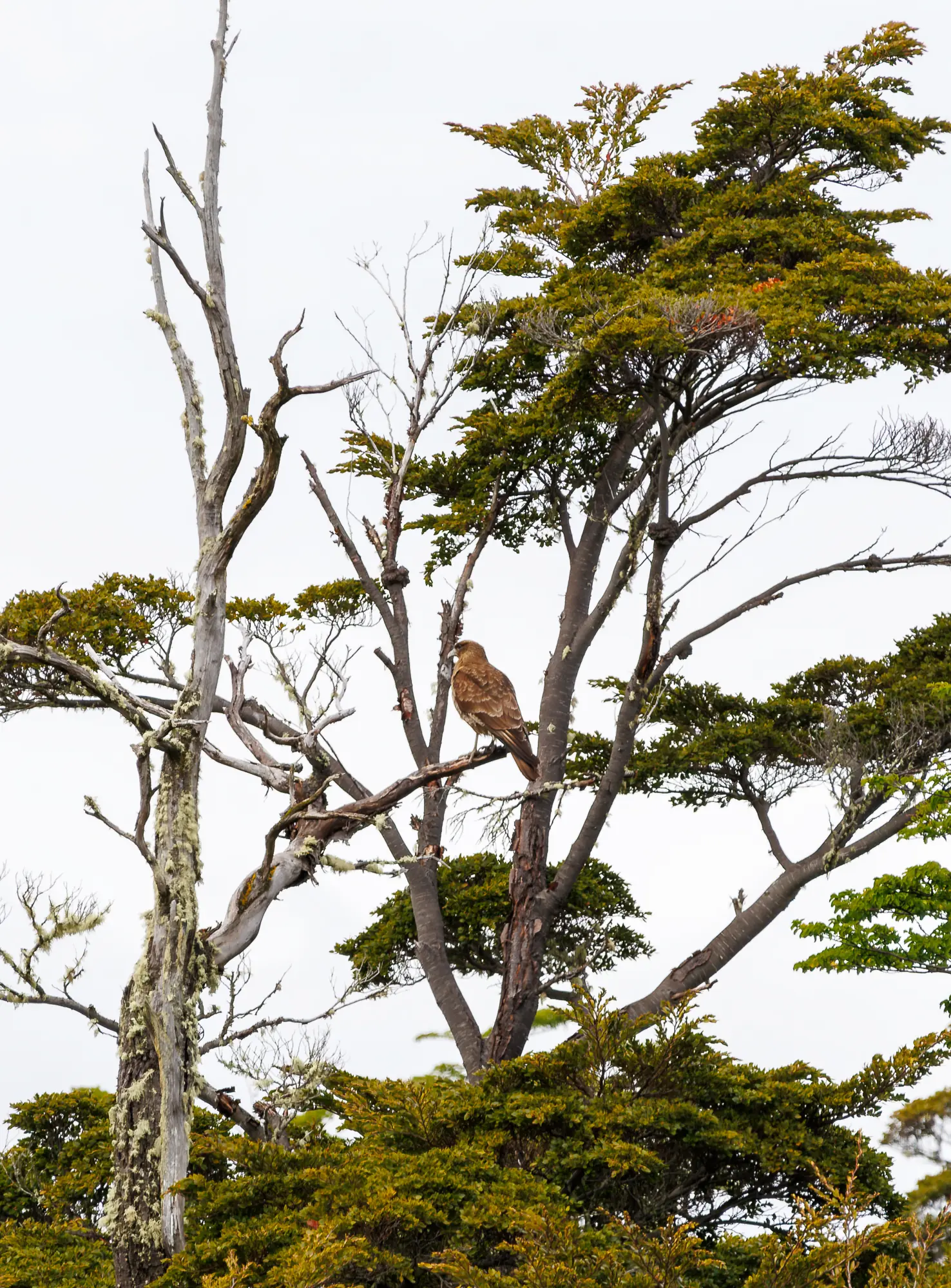
Before Antarctica itself, though, Tierra del Fuego gave a few days of its own. A caracara sat hunched in a lichen-draped dead tree, more raptor than scavenger up close. An upland goose held still long enough for a clean side profile against flat blue water. A long exposure smoothed a beech-forest stream over rust-stained rocks, a quiet detail shot, but a nice contrast with everything that came after.
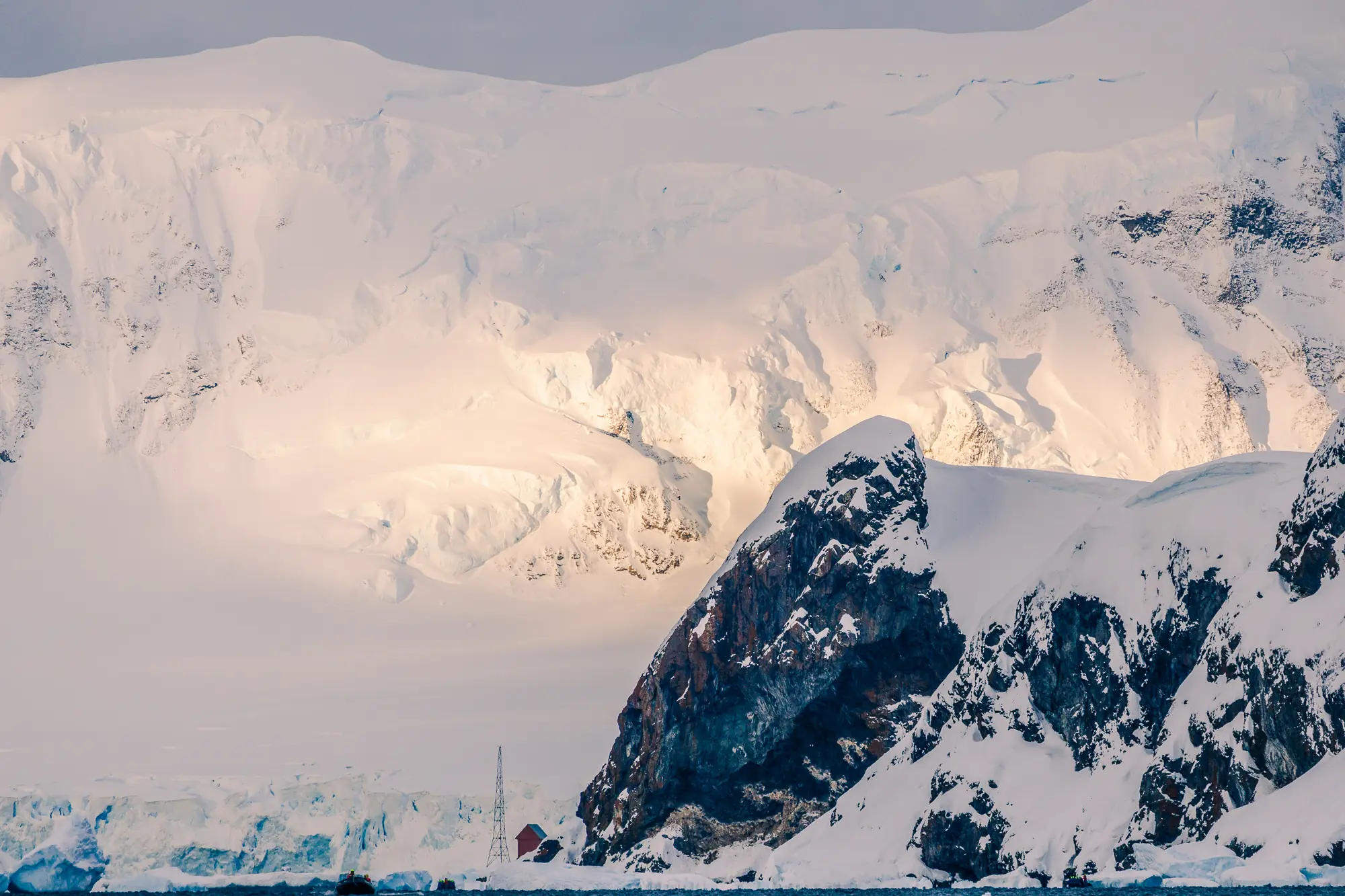
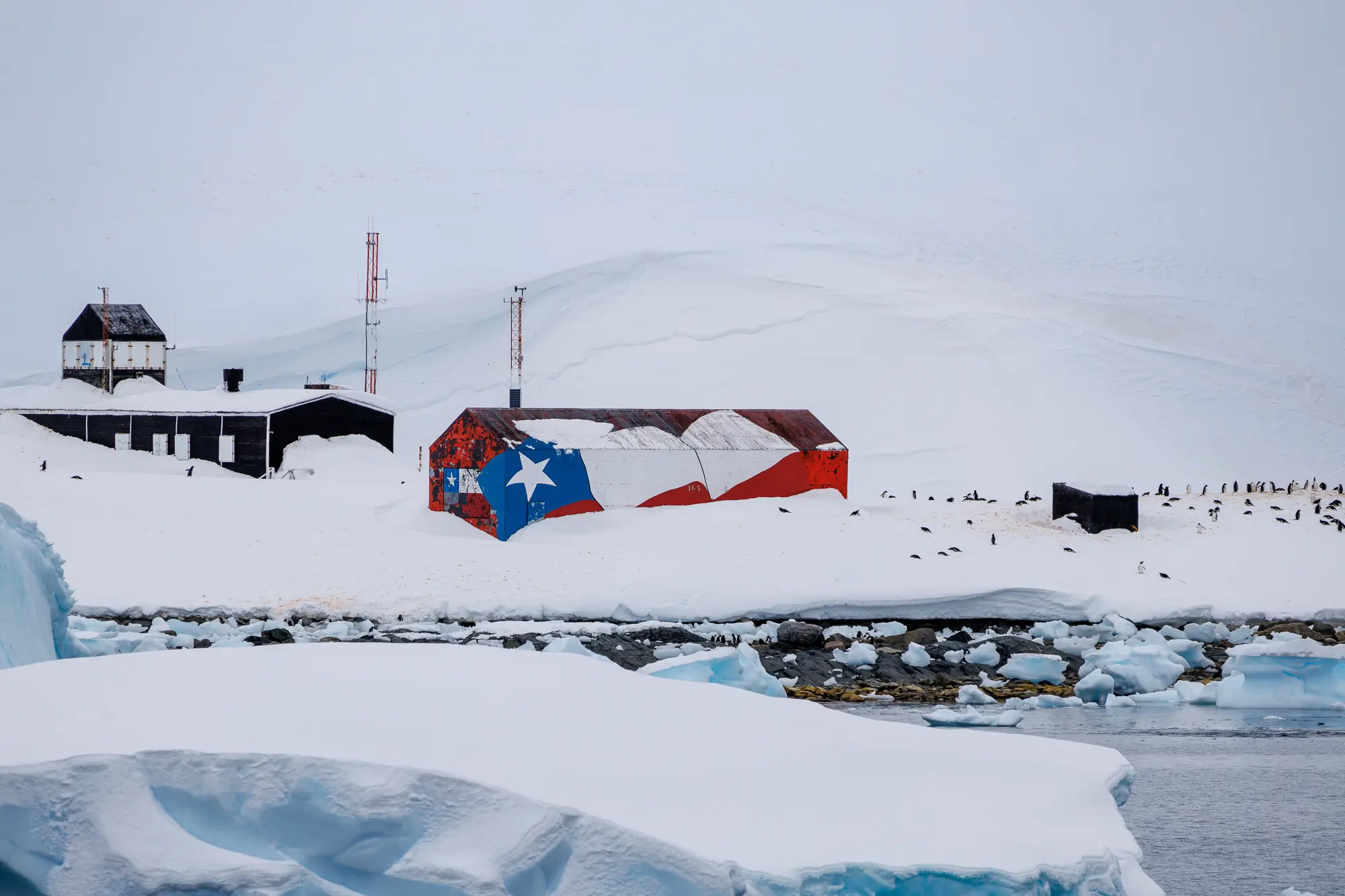
Then the ice started. The first proper “we're here” moment was a red, white and blue refuge hut painted like the Chilean flag, half-buried in snow with a gentoo penguin colony spread out in front of it and icebergs stacked up in the bay beyond: the kind of scene that photographs itself if the light behaves, and for once it did.
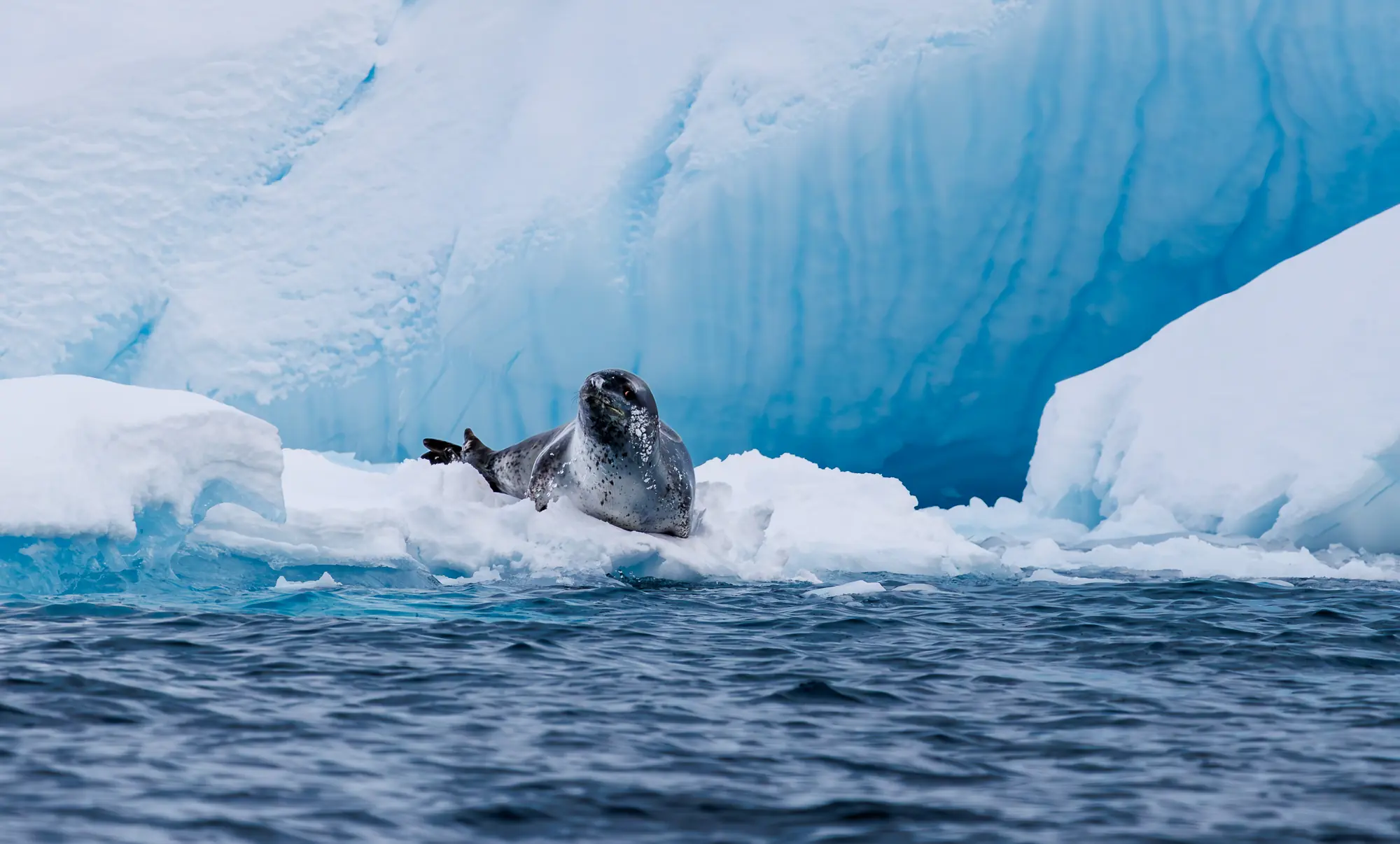
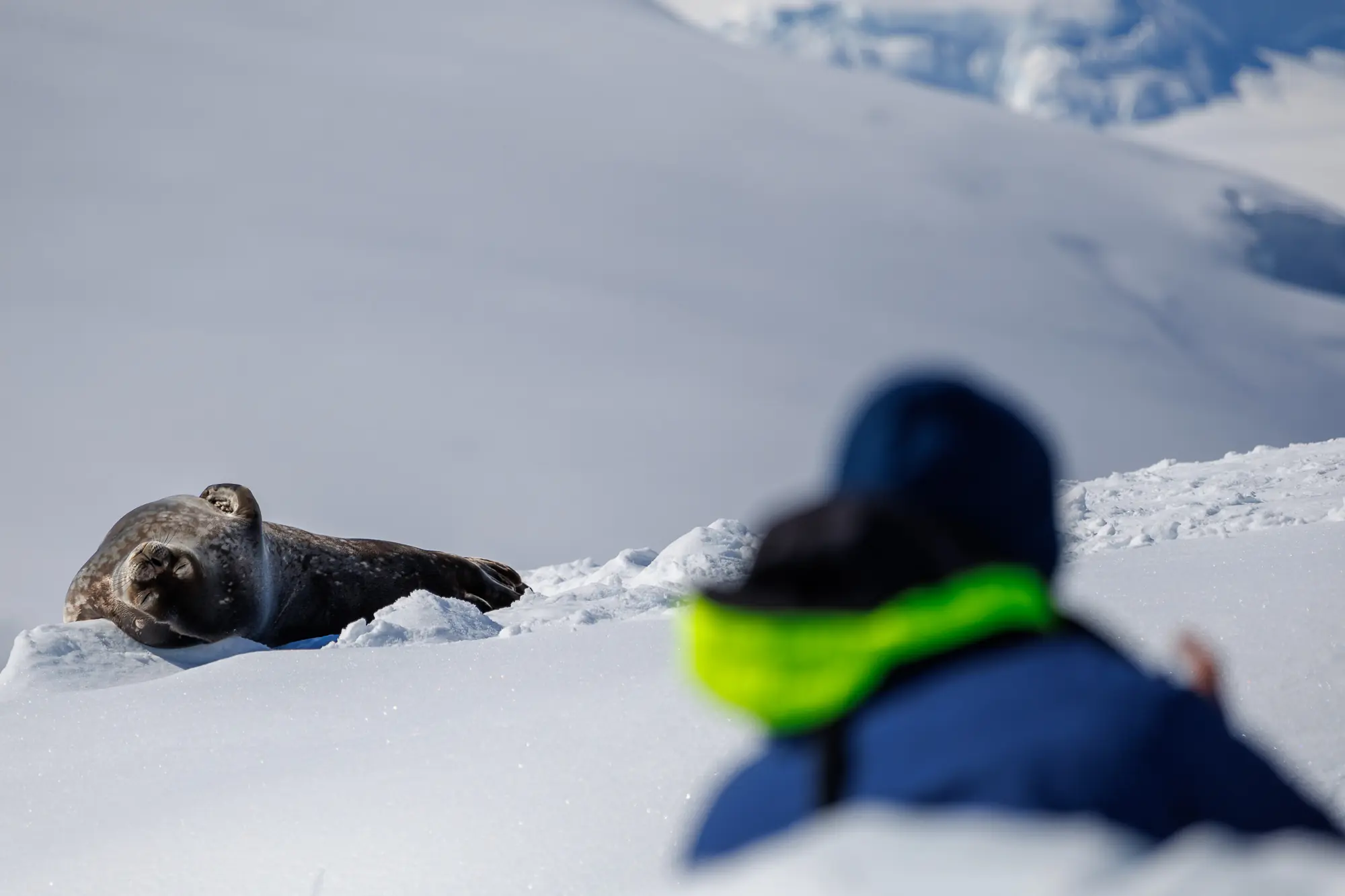
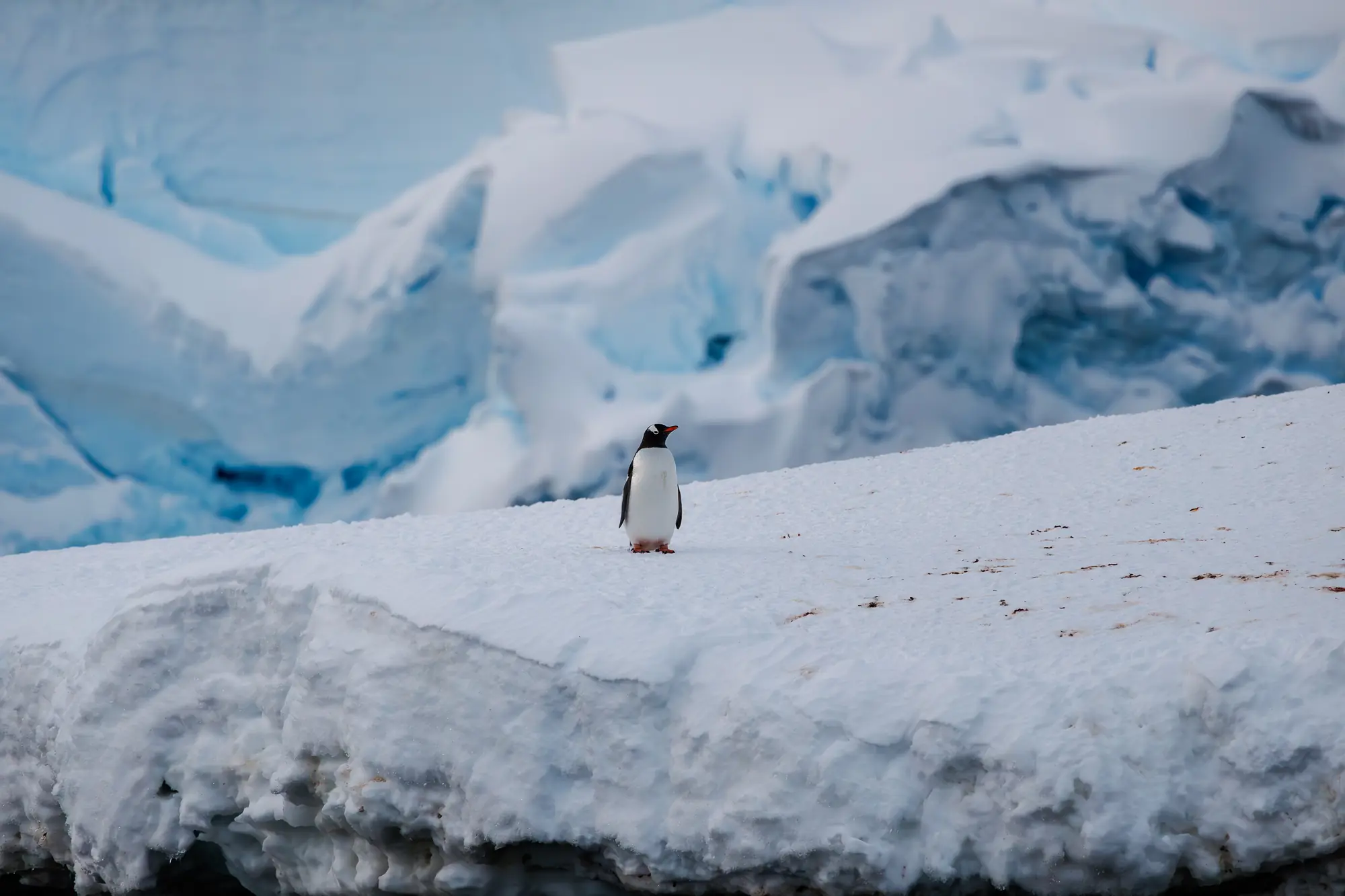
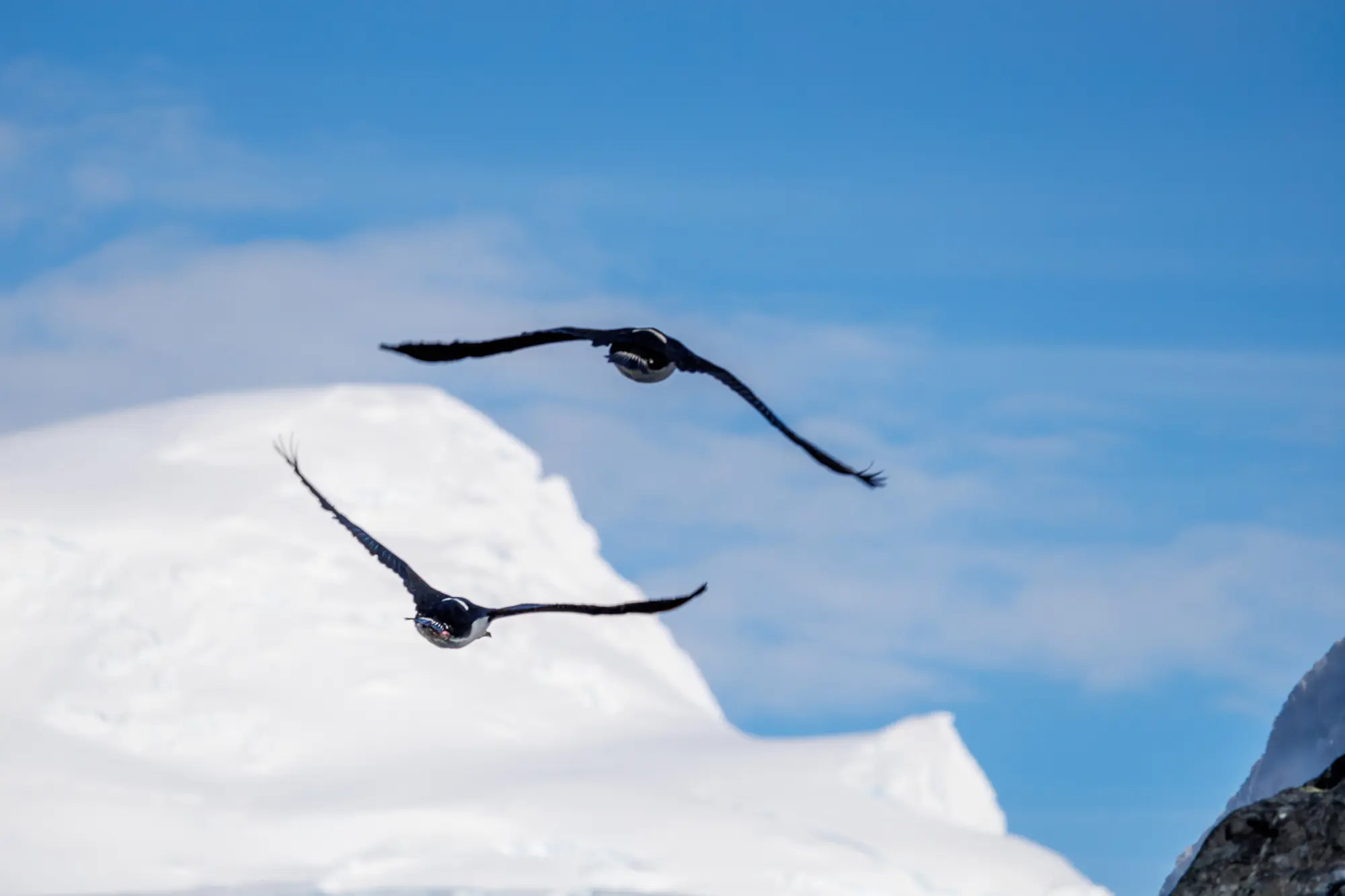
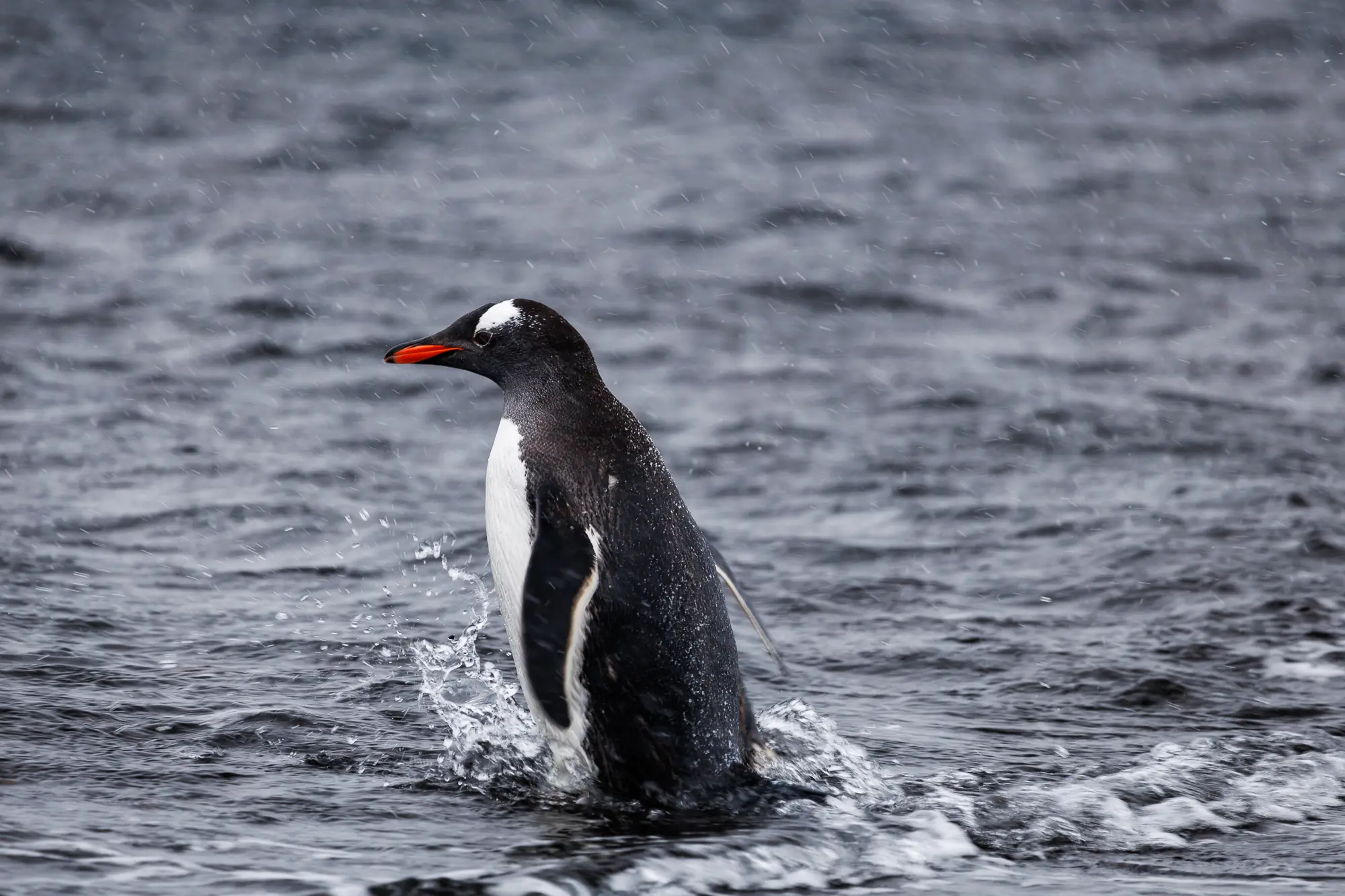
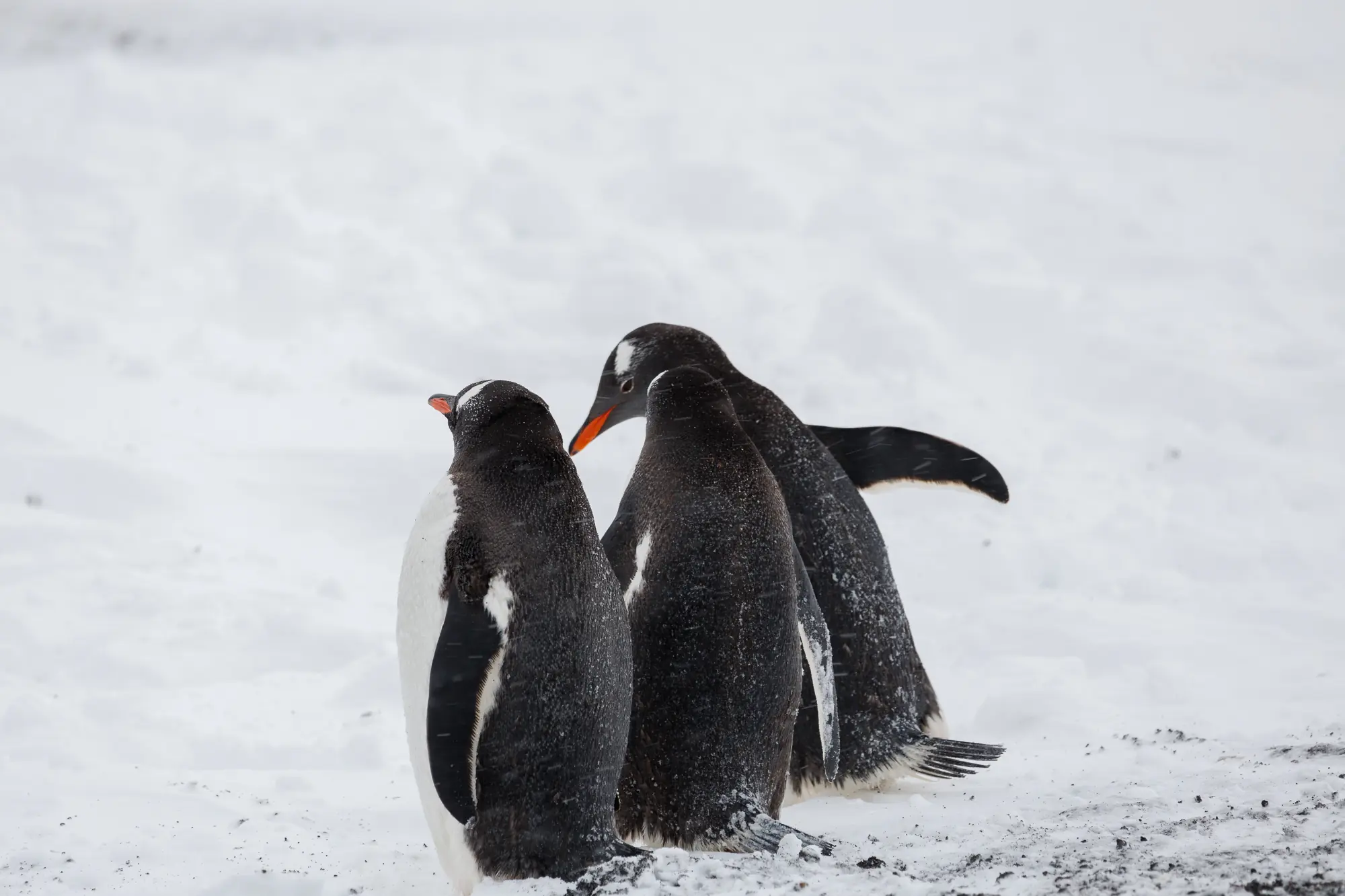
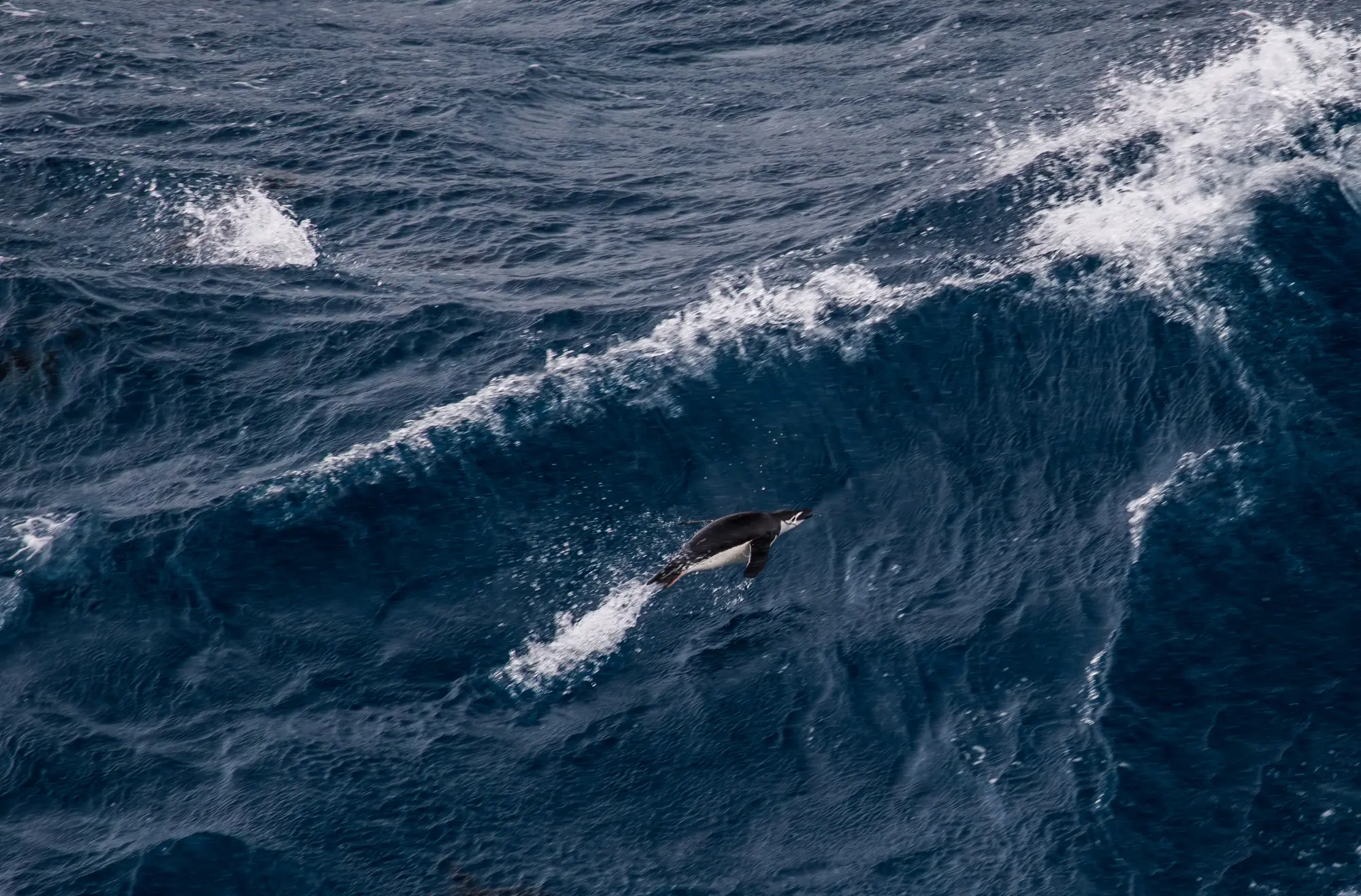
From there it was ice, wildlife and weather in whatever order the zodiac schedule allowed. A leopard seal lifted its head off a floe between two glowing blue iceberg walls and held eye contact for long enough that I nearly forgot to shoot. Gentoo penguins were everywhere: mid-stride on snow slopes, bursting out of the surf on black volcanic sand, porpoising clean through a breaking wave. I never got tired of them, which I wasn't expecting going in. A Weddell seal curled up and let me get close enough for a tight portrait of its whiskered face; blue-eyed shags nested on the cliffs, their rust-orange nesting material set against cobalt eye-rings.
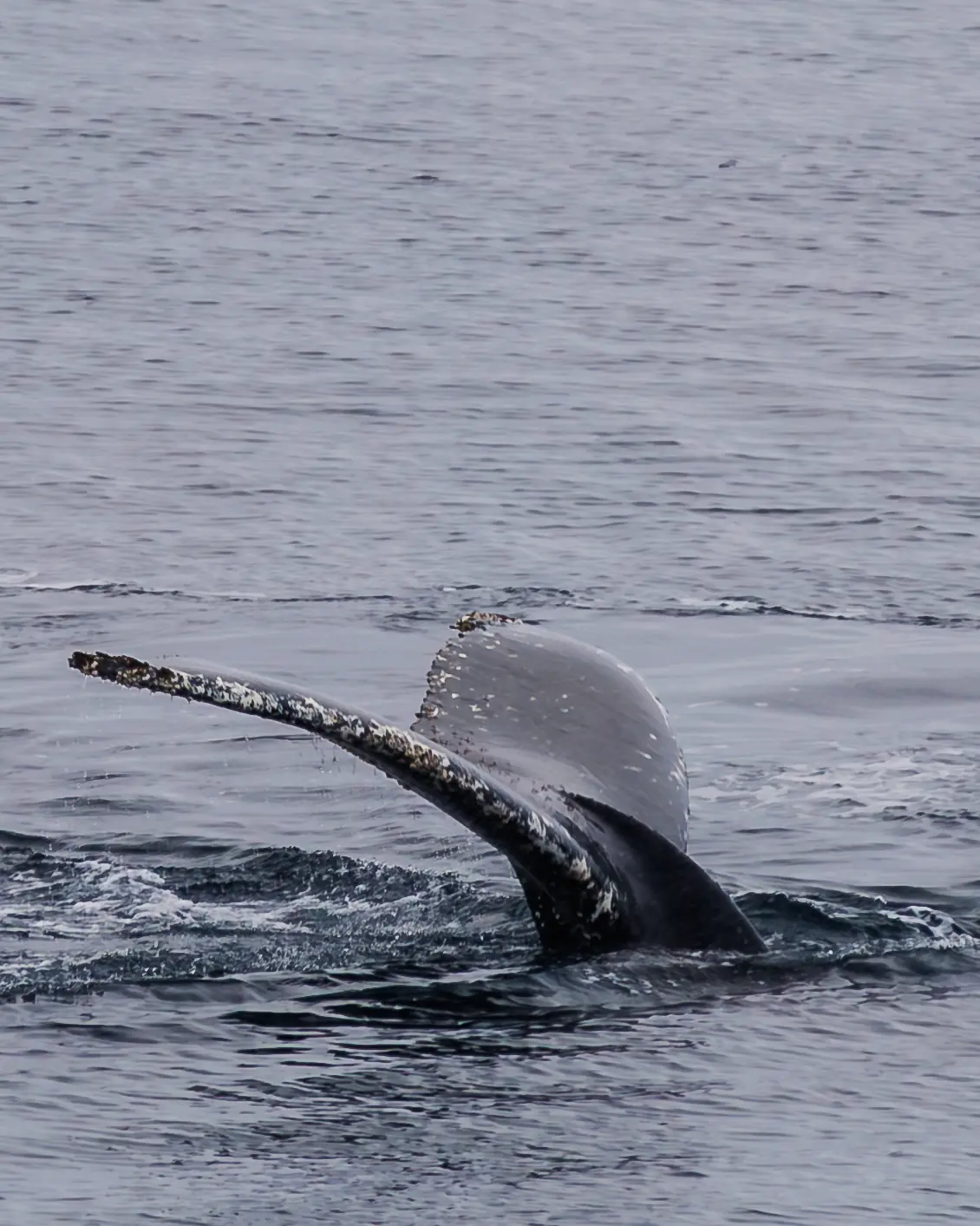
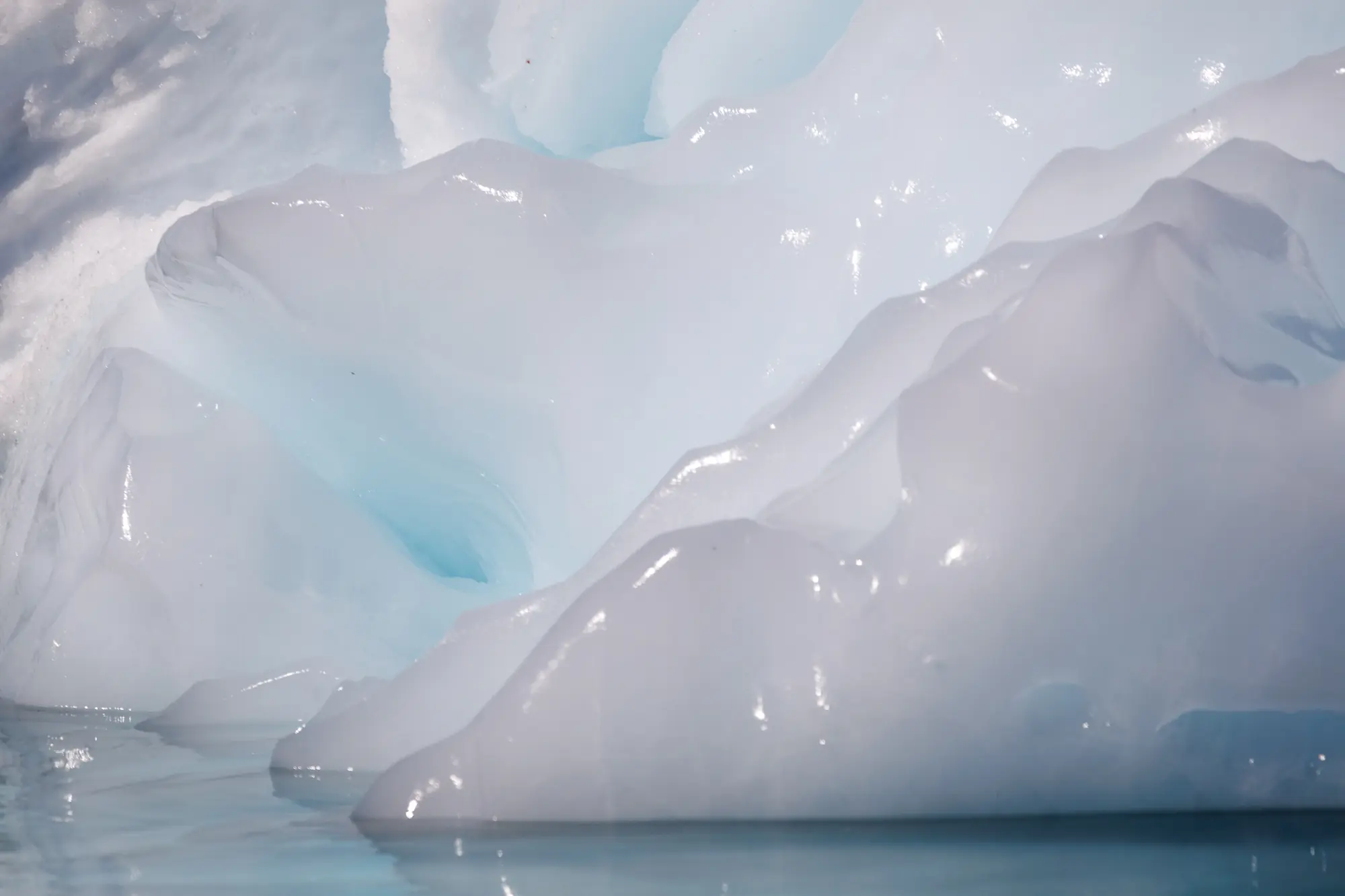
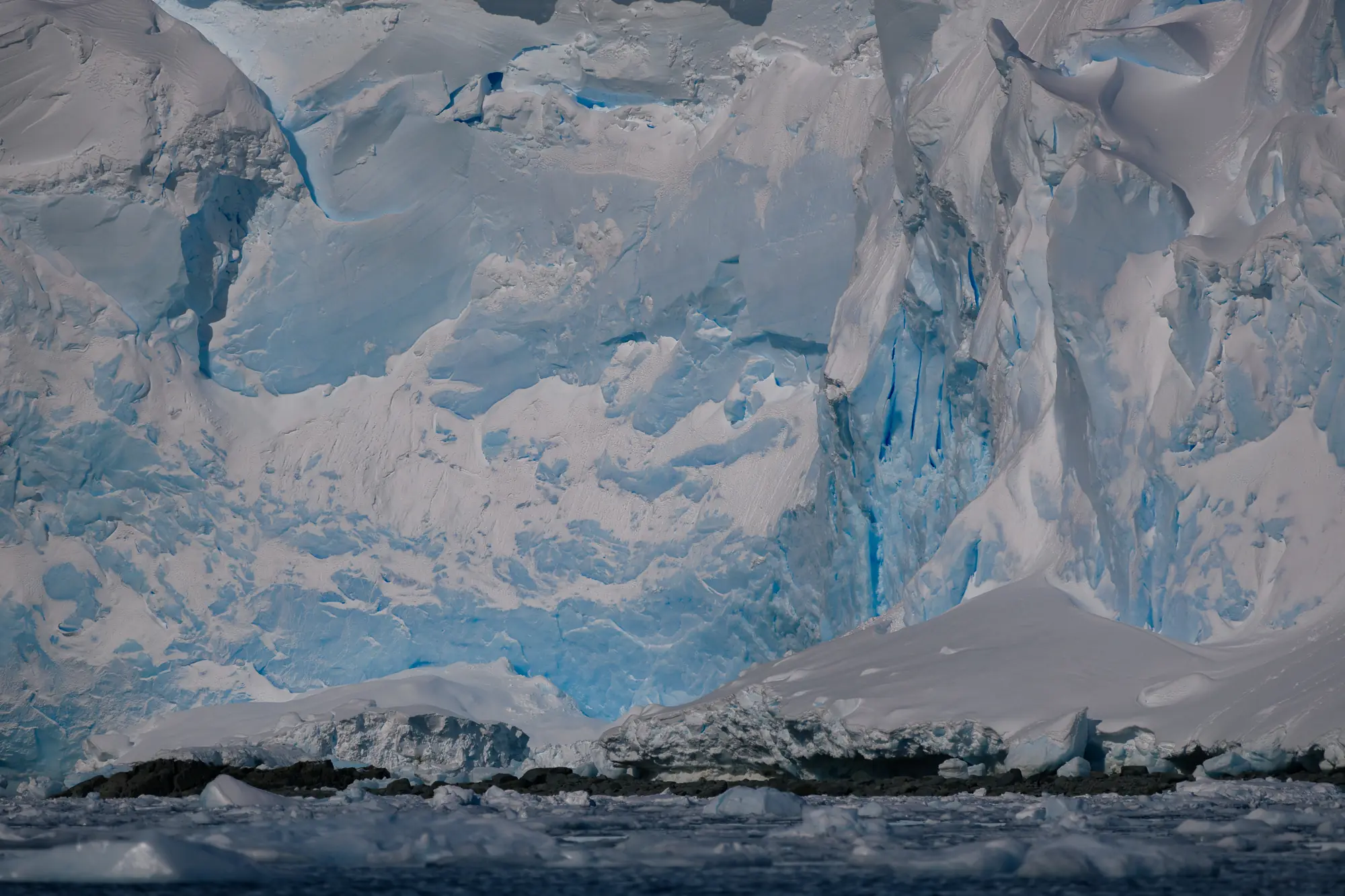
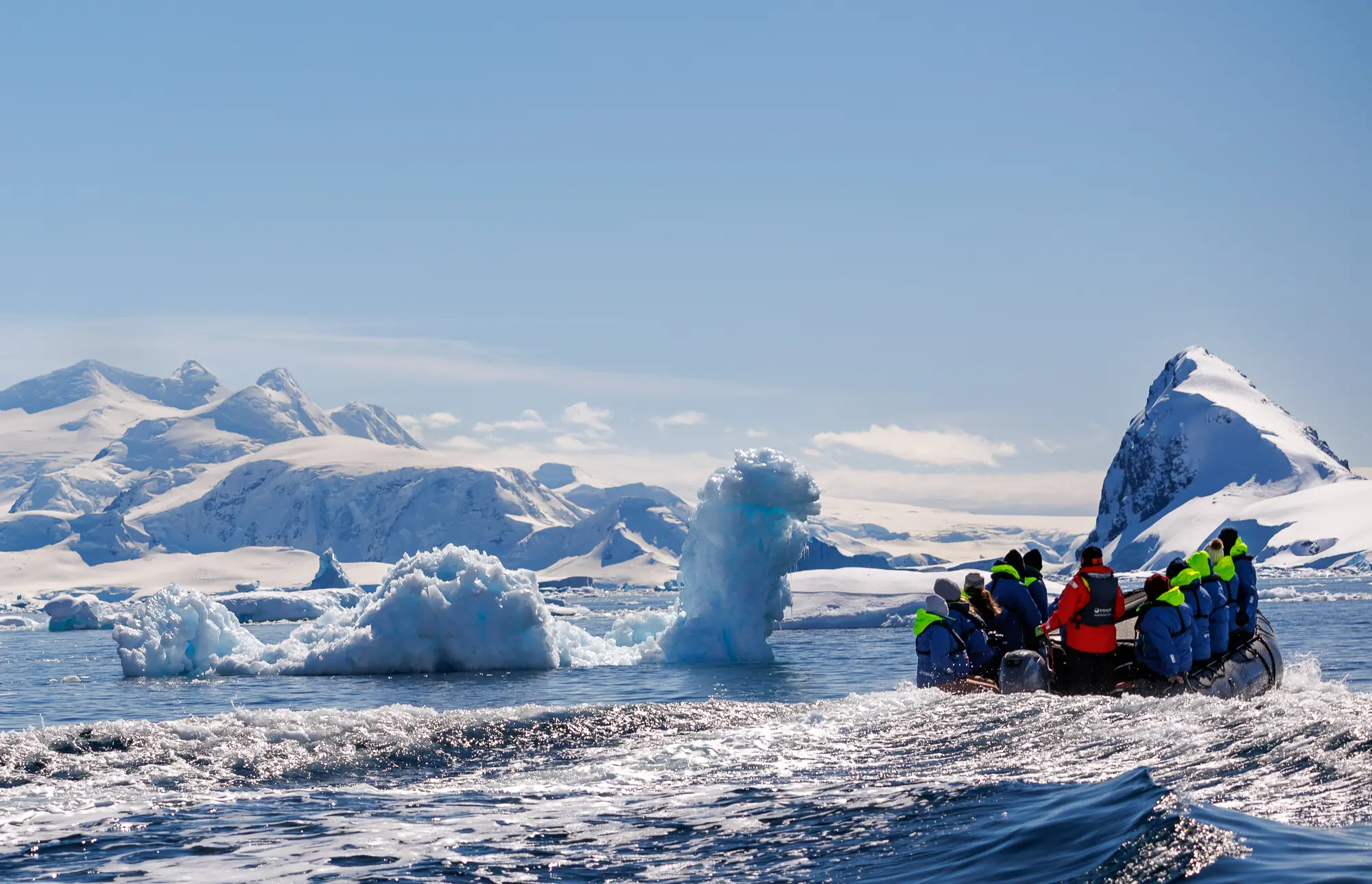
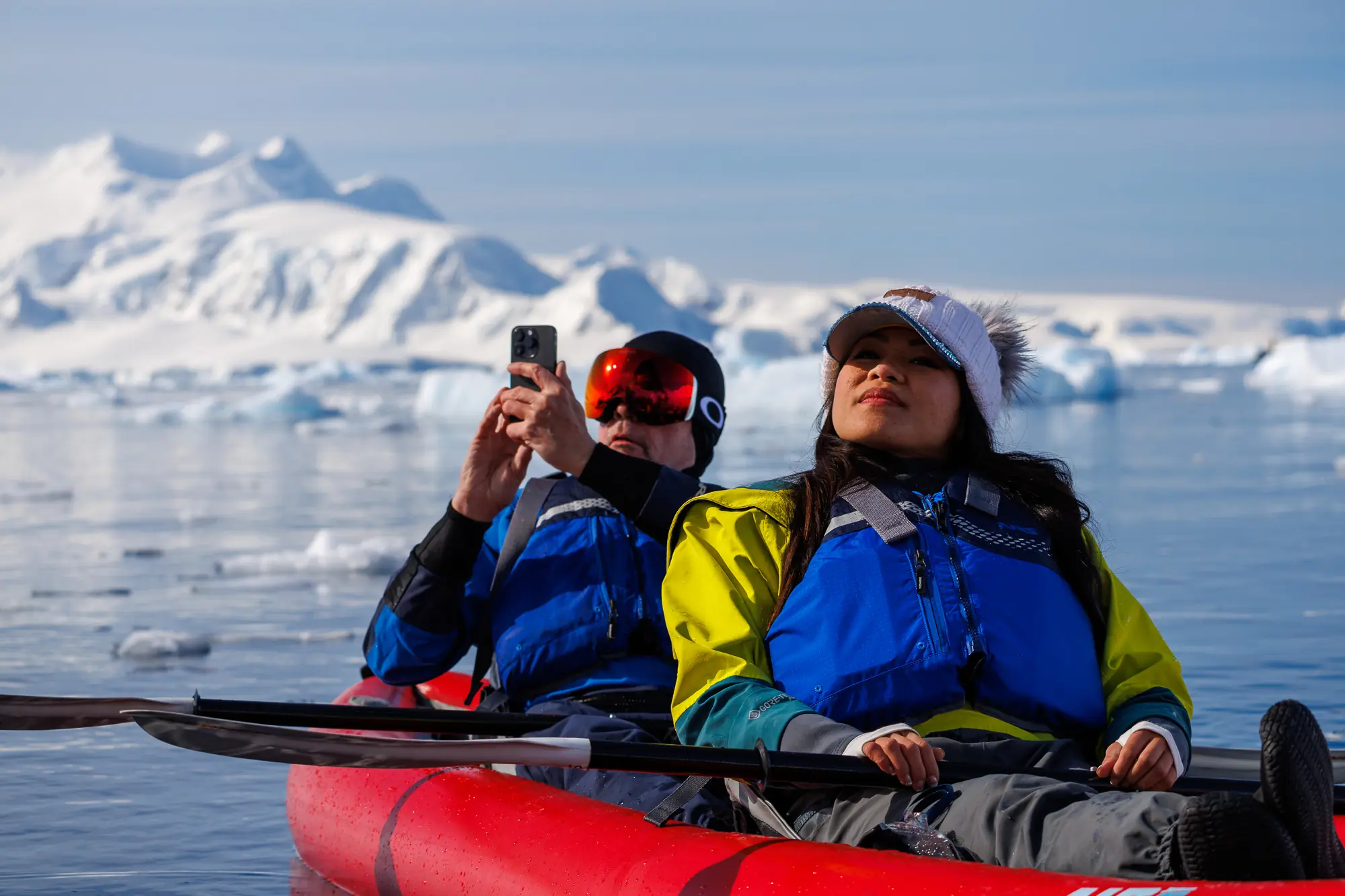
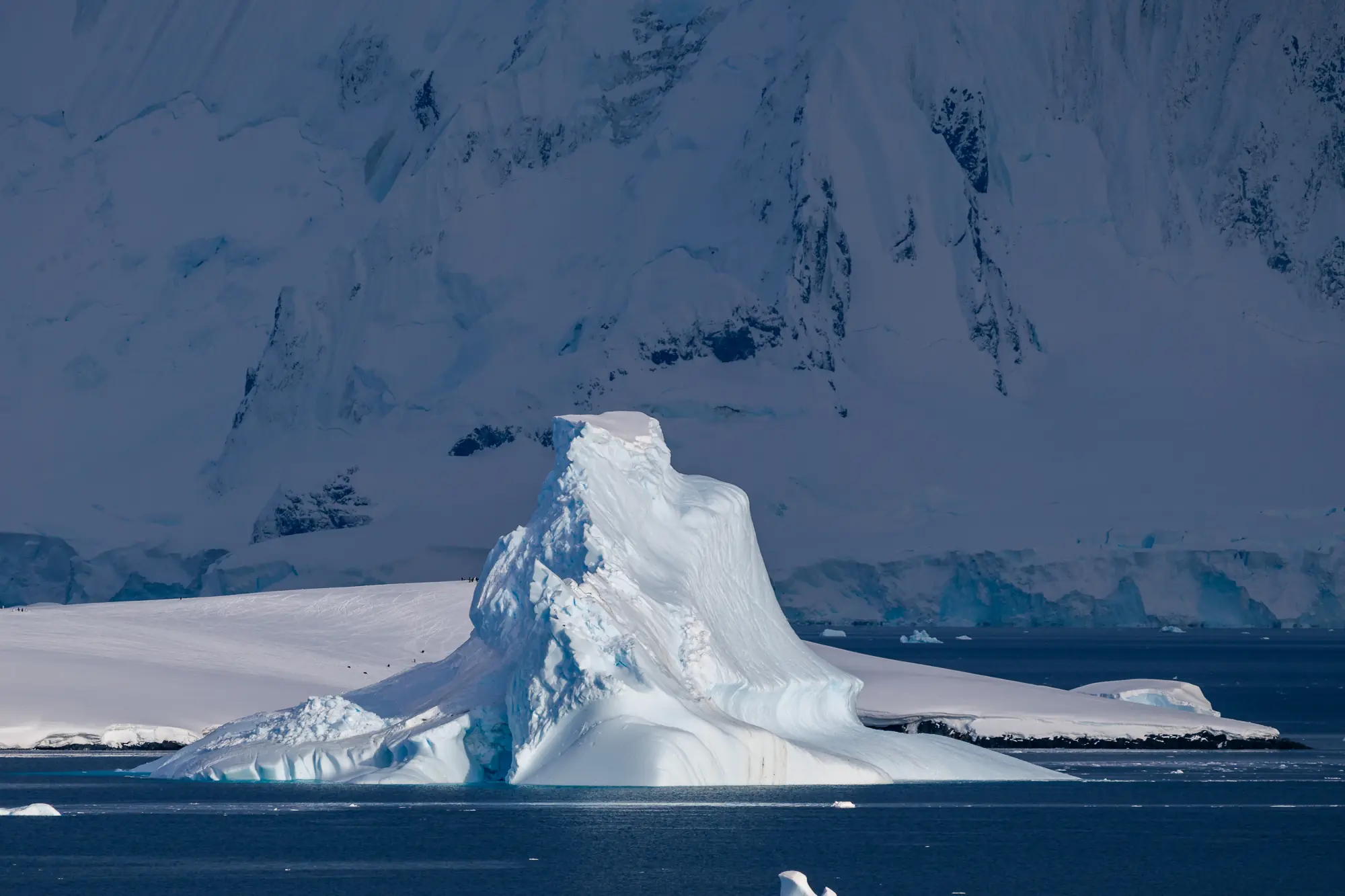
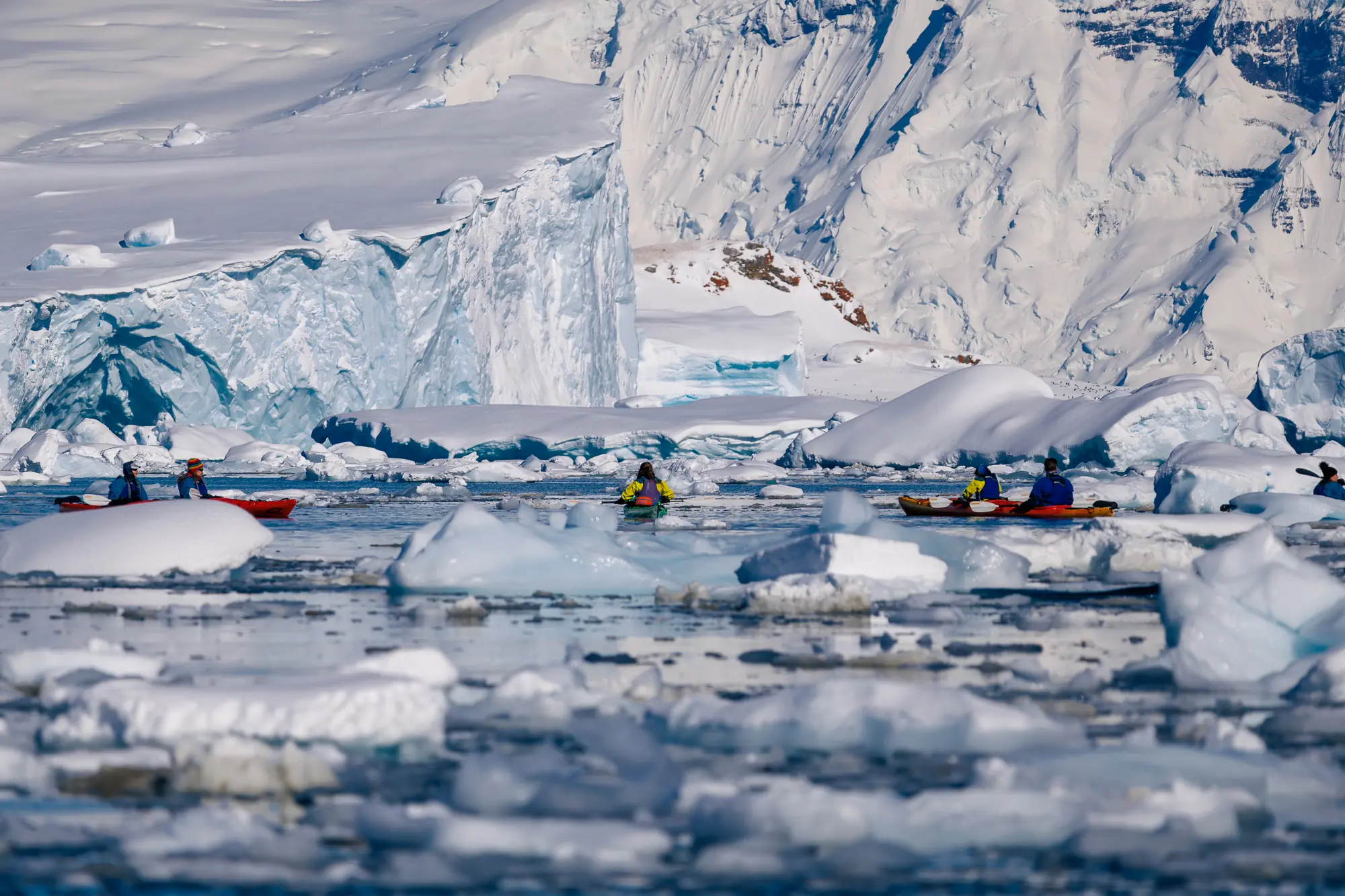
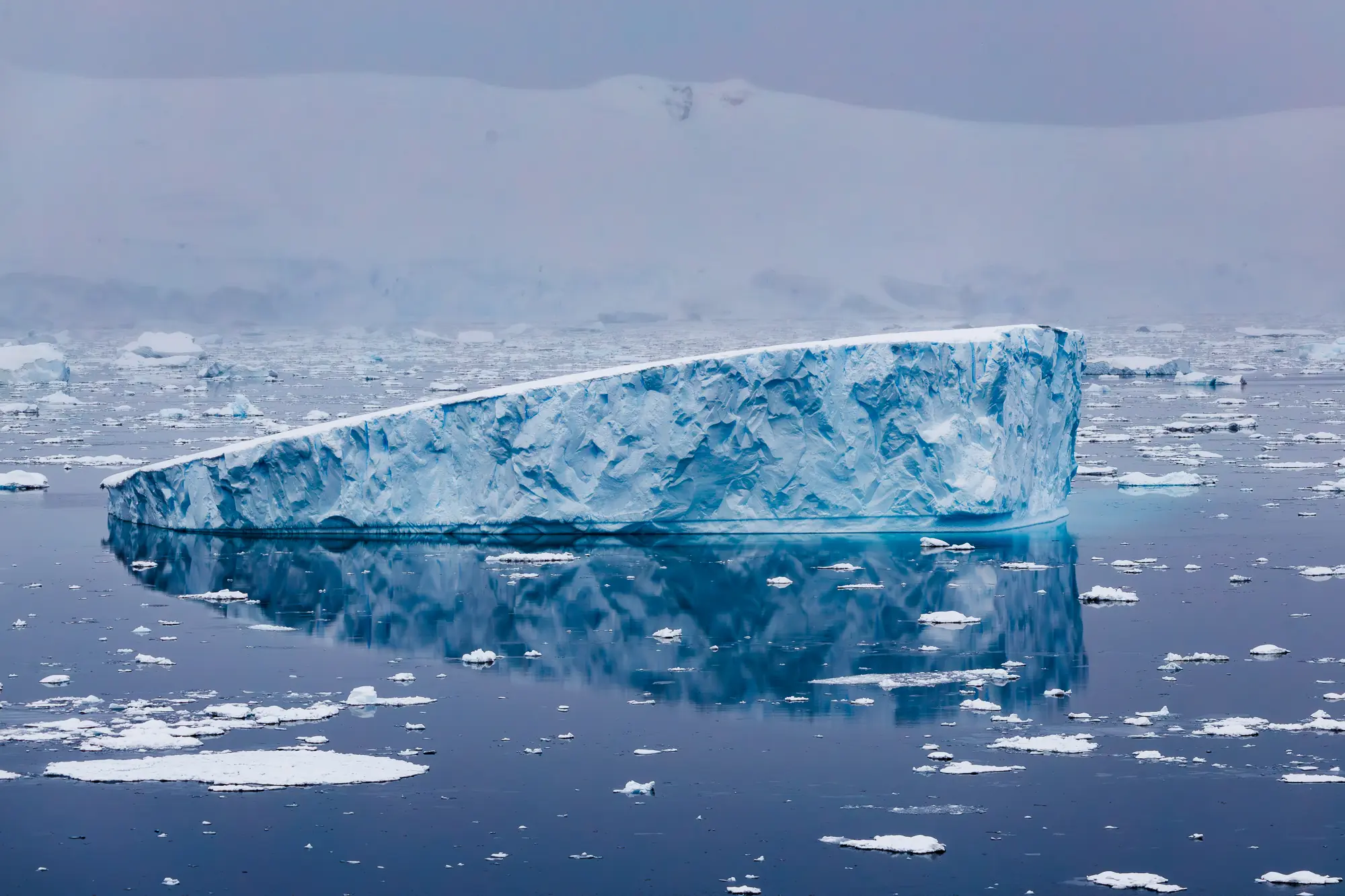
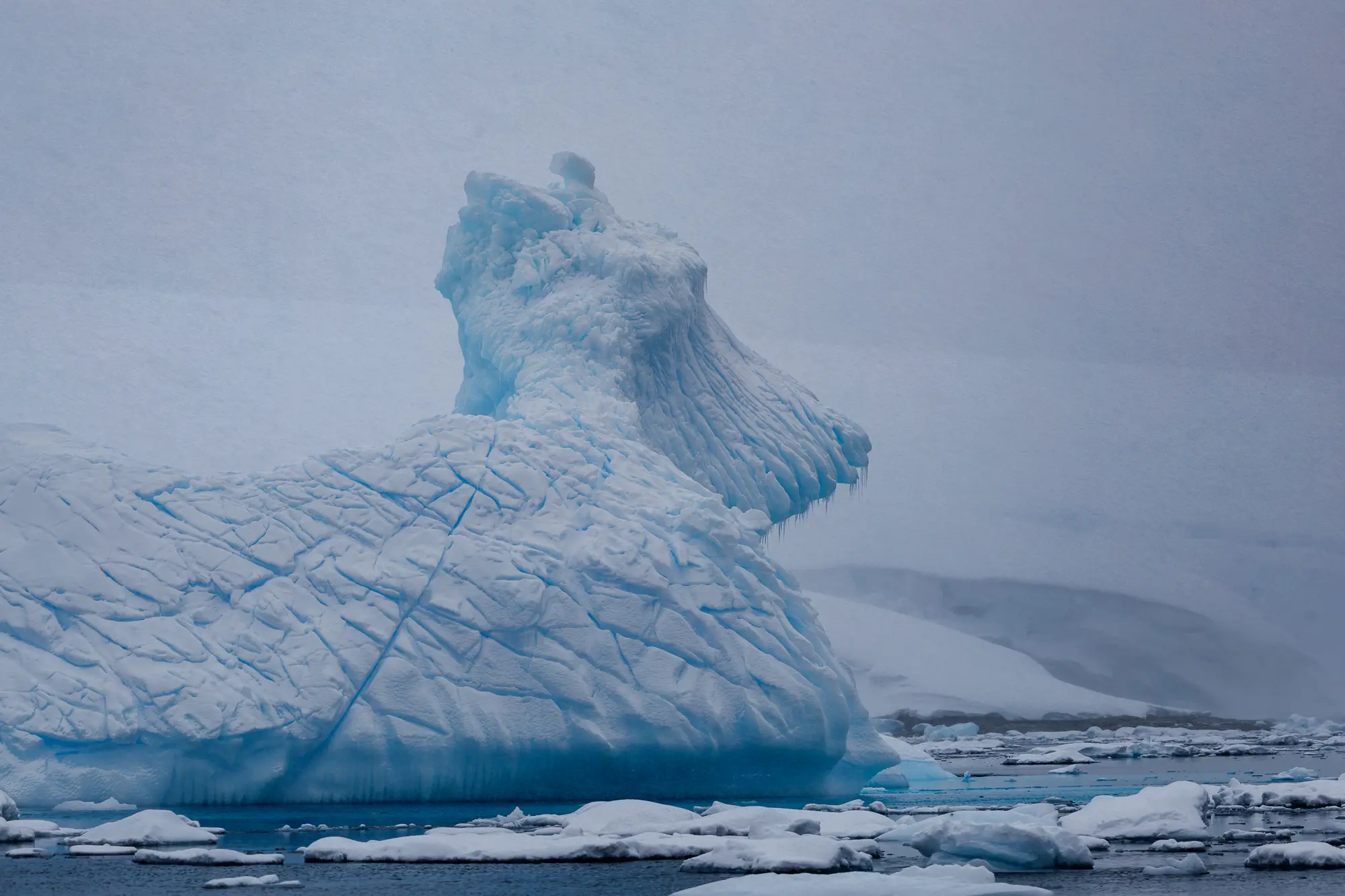
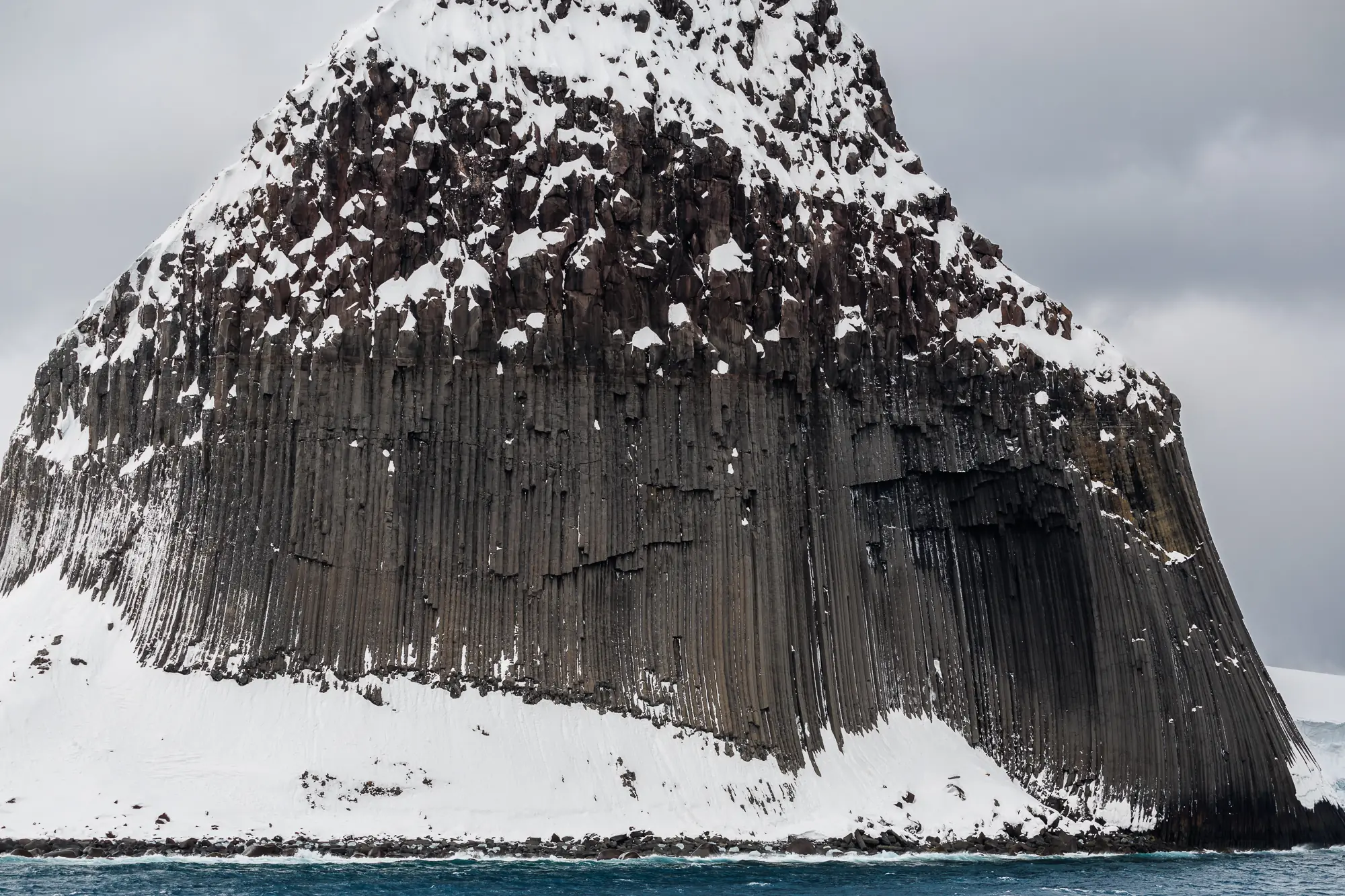
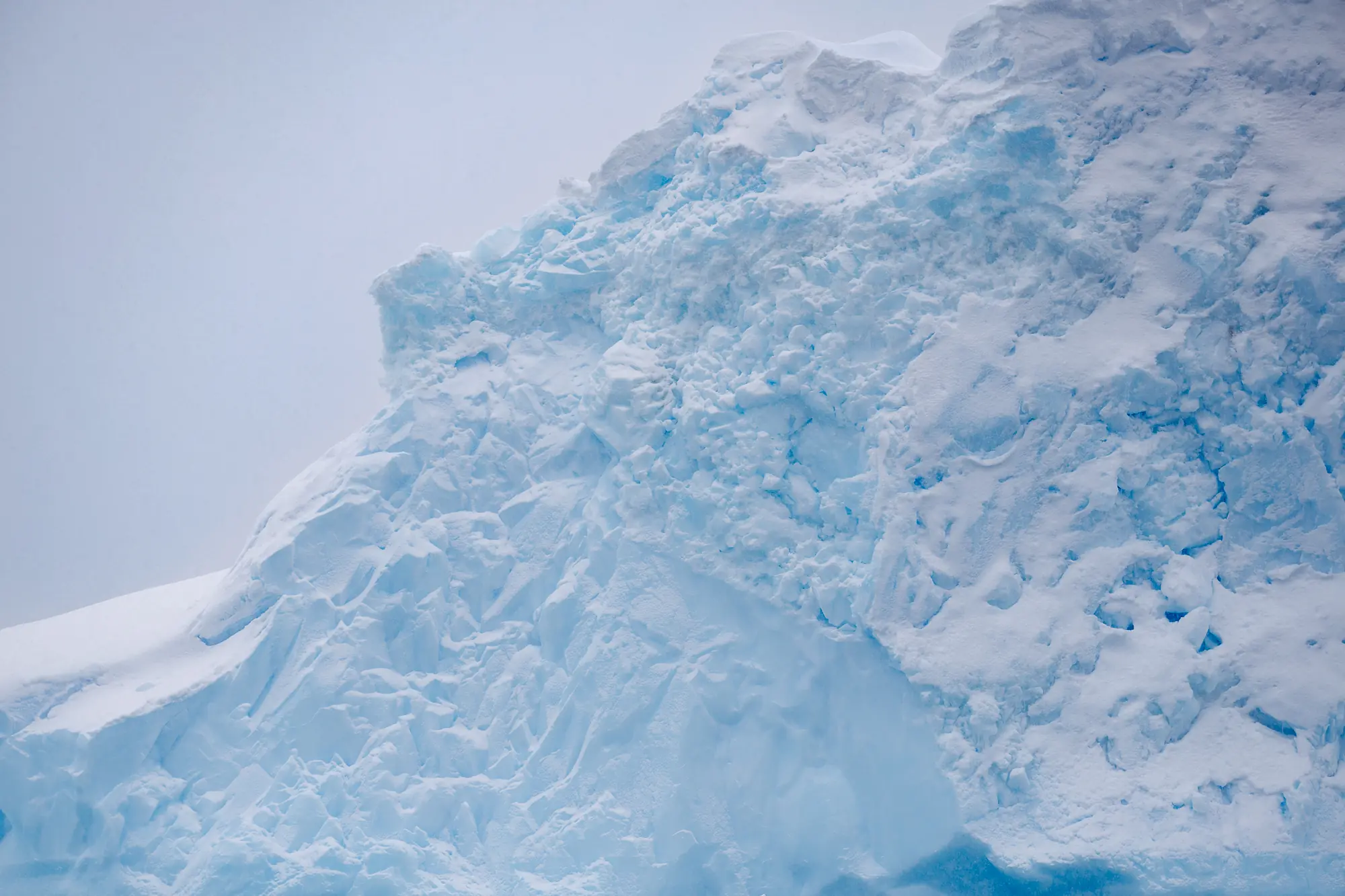
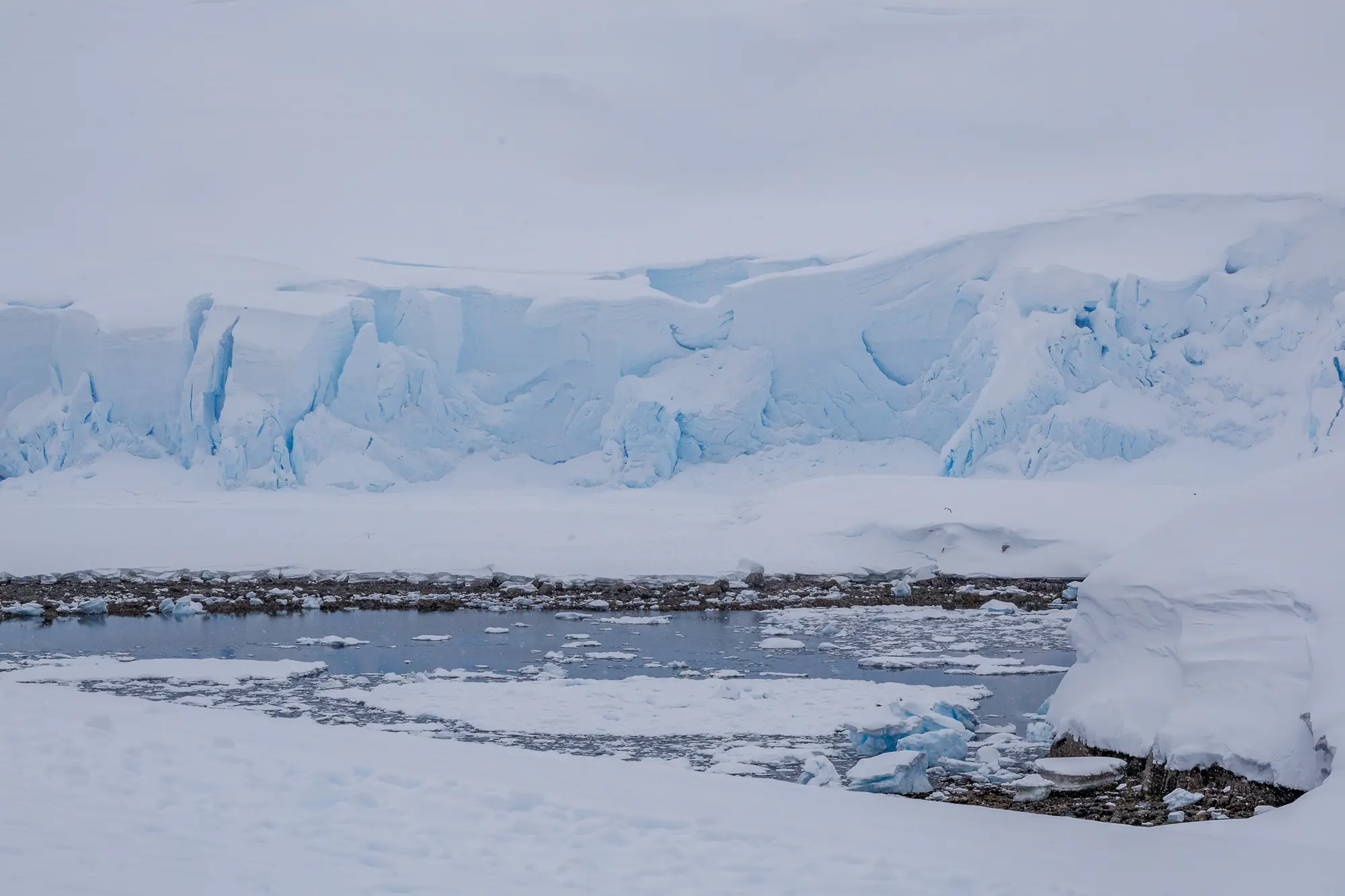
The ice itself did most of the heavy lifting. Icebergs here don't look like the tidy postcard version. They're sculpted, striated, sometimes eroded into shapes you'd swear were deliberate (one, fog-wrapped, looked exactly like a wolf's head in profile). A zodiac, and on calmer days kayakers, gave a genuine sense of scale against ice cliffs that dwarfed the boats completely. Two whale encounters stood out: a humpback fluke lifting clean out of flat grey water, barnacles razor-sharp, and another whale's back breaking the surface with a bird passing low overhead.
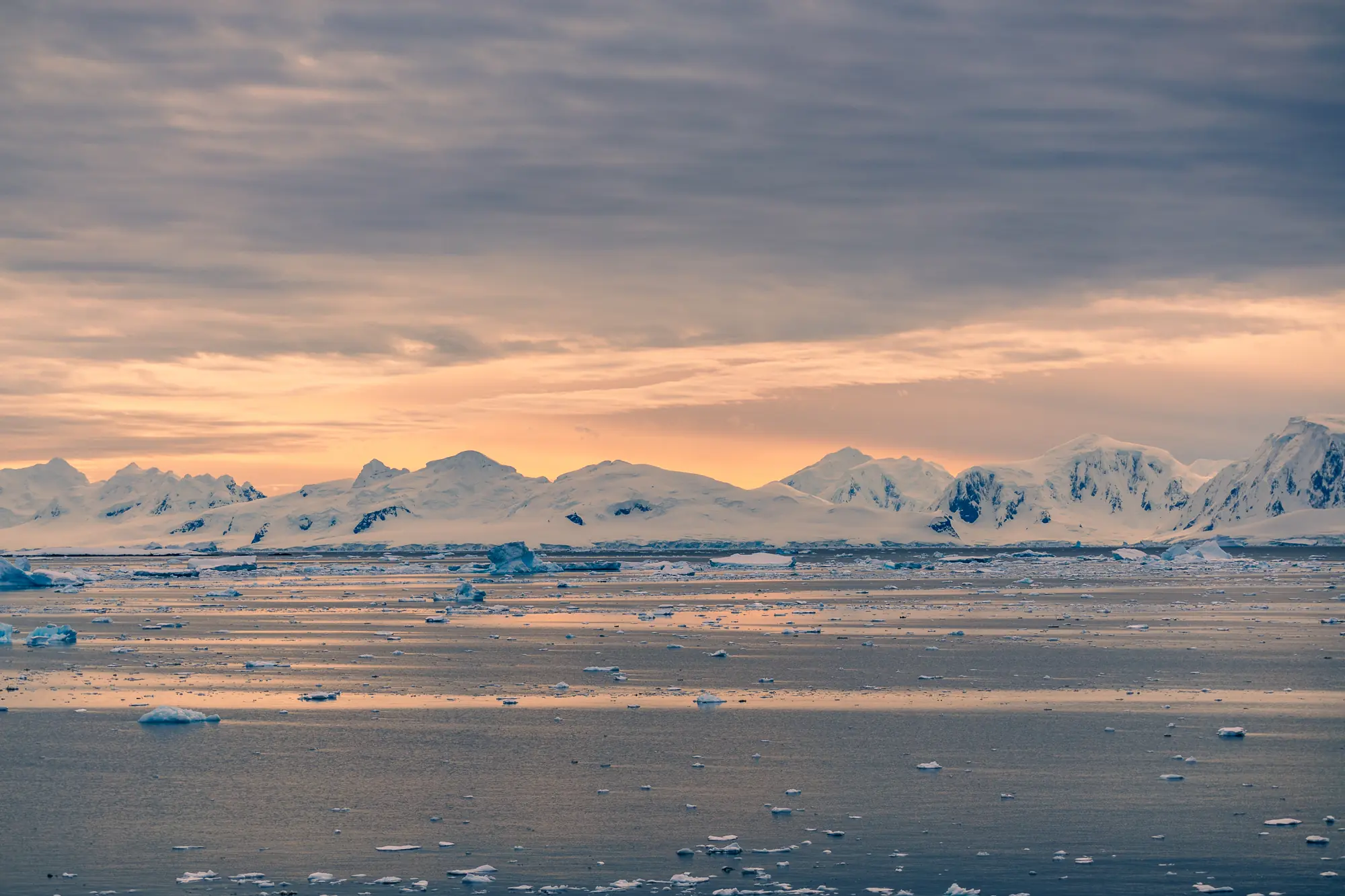
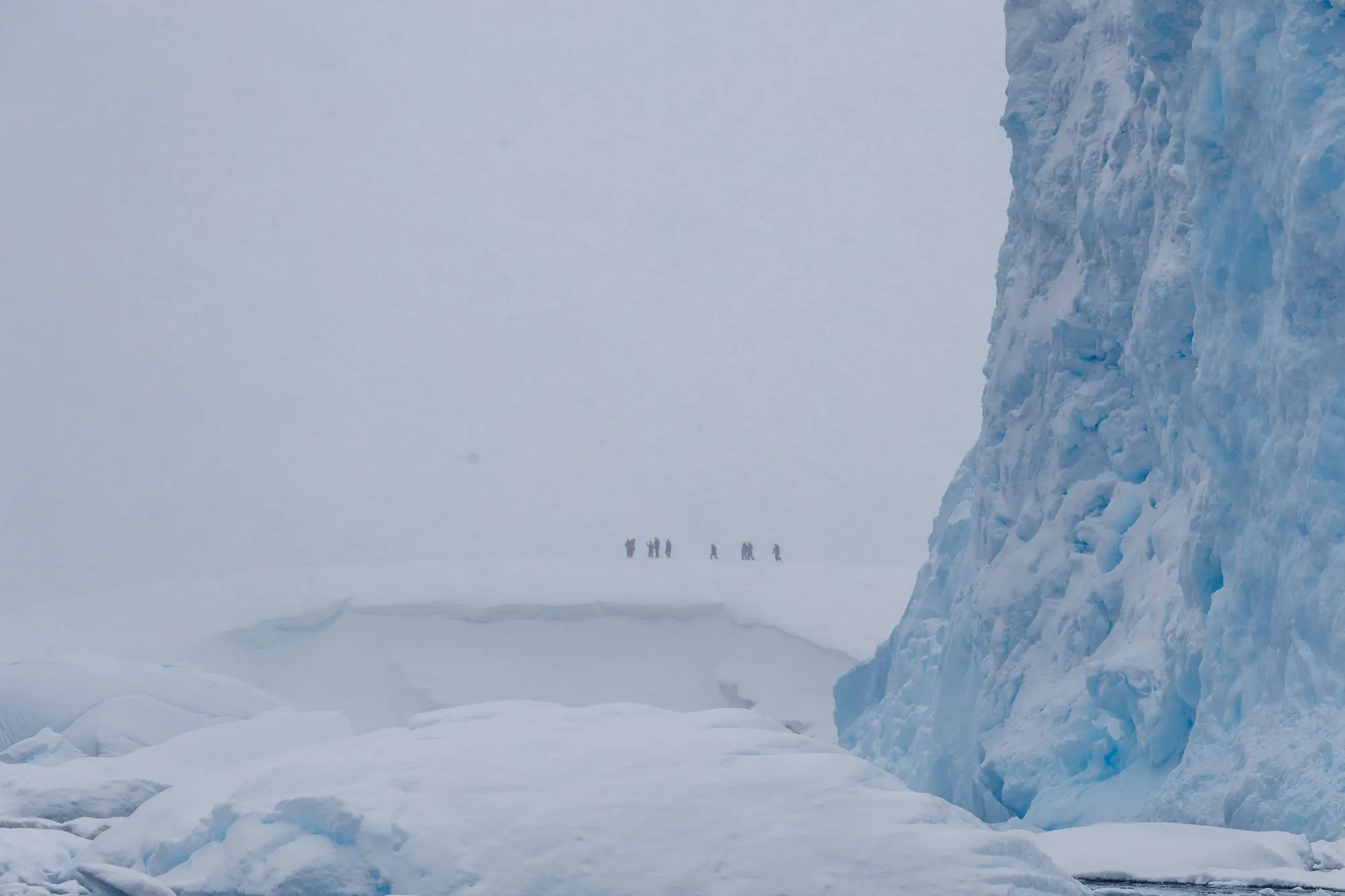
Light in Antarctica in November doesn't really set so much as wander sideways for hours, which meant golden hour could stretch across most of an evening. A wide panorama of sea ice and soft mountain silhouettes under an orange sky, storm clouds breaking apart to let a last low shaft of light through over open water, tiny hikers dwarfed on a ridge beneath a blue-veined ice wall. In these frames it's the scale that matters, not any one subject.
Where we landed
We sailed with Intrepid on the Ocean Endeavour, and once we reached the Peninsula the landings came thick and fast. Neko Harbour was the first, a landing on the Antarctic mainland beneath a calving glacier, with gentoos on the beach and humpbacks moving slowly through the bay. That afternoon a zodiac cruise around Paradise Harbour at sunset turned up more penguins and a leopard seal. Cuverville Island, home to the largest gentoo colony on the Peninsula, gave us penguins and Weddell seals the next morning, and in the afternoon we kayaked through brash ice in Orne Harbour. Charlotte Bay brought the best whale watching of the trip, including a humpback calf that circled our zodiac, and from the snow slopes at Portal Point we could watch whales and seals in the bay below. The last landing was Deception Island, the flooded caldera of an active volcano, where the ship squeezed in through the narrow gap of Neptune's Bellows and we walked among the rusting remains of the old whaling station at Whalers Bay.
If Tierra del Fuego was the warm-up, the Peninsula was the whole reason for going. I'd go back tomorrow for more of the same light and never knowing what would swim, waddle or calve past the boat next.